
Biology · Classification, biodiversity and conservation
This chapter explores the concept of species and how organisms are classified into a hierarchical system of three domains and four eukaryotic kingdoms. It defines biodiversity at multiple levels, outlines methods for its assessment using sampling and statistical tools, and discusses the critical reasons for its maintenance, causes of extinction, and various conservation strategies.
biological species — A group of organisms with similar morphology and physiology, which can breed together to produce fertile offspring and are reproductively isolated from other species.
This concept defines species based on their ability to interbreed and produce fertile offspring, emphasizing reproductive isolation as a key criterion. For example, two different breeds of dog can mate and have fertile puppies, making them the same biological species. However, a dog and a cat cannot produce fertile offspring, so they are different biological species.
Students often think that if two organisms look similar, they must be the same species, but actually, the ability to produce fertile offspring is the defining characteristic of a biological species.
When asked to define 'species', ensure you include 'produce fertile offspring' and 'reproductively isolated' for full marks, especially in 'Define' or 'Explain' questions.
morphological species — A group of organisms that share many physical features that distinguish them from other species.
This concept is often used when the biological species concept cannot be applied, such as for fossil species or organisms that reproduce asexually. It relies on observable physical characteristics like outward appearance (morphology) and anatomy. For instance, different types of roses in a garden all look like roses, sharing similar flower and leaf structures, allowing classification based on morphology.
Be prepared to discuss the limitations of the morphological species concept, such as cryptic species (look alike but are reproductively isolated) or phenotypic variation within a single species.
ecological species — A population of individuals of the same species living in the same area at the same time.
This concept focuses on a population of organisms that share common features and occupy the same habitat at the same time, highlighting their ecological role and interactions within a specific environment. For example, a group of deer living in a particular forest at the same time, all sharing the same food sources and interacting with each other, would be considered an ecological species within that forest.
Students often think 'ecological species' refers to the species' role, but actually, it specifically refers to a population of individuals of the same species coexisting in the same place and time.
population — All of the organisms of the same species present in the same place and at the same time that can interbreed with one another.
A population is a fundamental unit in ecology and evolution, representing a group of individuals of a single species that share a common gene pool and interact within a defined geographical area and time frame. All the students in a specific biology class at a particular school during one academic year form a population of students, as they are all of the same 'species' (students), in the same place, at the same time, and can interact.
When defining 'population', ensure you specify 'same species', 'same place', and 'same time' to achieve full accuracy.
biological classification — The organisation of living and extinct organisms into systematic groups based on similarities and differences between species.
This process helps biologists manage the vast diversity of life, making it easier to study, understand, and remember the key features of different organisms by grouping them into categories. It's like organizing books in a library: you group similar books (e.g., fiction, non-fiction) into categories, then subcategories, making it easier to find and understand the collection.
When asked to 'Explain' the purpose of classification, mention both 'understanding relationships' and 'ease of study/communication'.
taxonomy — The study and practice of naming and classifying species and groups of species within the hierarchical classification scheme.
Taxonomy is the scientific discipline concerned with the identification, naming, and classification of organisms, involving the assignment of organisms to specific taxonomic units (taxa) within a hierarchical system. A librarian who creates the system for categorizing and naming all the books in a library is doing taxonomy for books.
Students often confuse 'taxonomy' with 'classification', but actually, taxonomy is the broader study and practice of classification, including the naming aspect.
Ensure you include both 'naming' and 'classifying' when defining taxonomy, as both are crucial aspects of the discipline.
hierarchical classification — The arrangement of organisms into groups of different rank, from species (lowest) to domain (highest), where similar groups are nested within larger, more inclusive groups.
This system organizes life into a series of nested categories, allowing for a systematic way to show evolutionary relationships and shared characteristics, moving from very specific groups to very broad ones. It's like a set of Russian nesting dolls: each smaller doll (species) fits inside a slightly larger one (genus), and so on, up to the largest doll (domain).
Be able to list the taxonomic ranks in order (Domain, Kingdom, Phylum, Class, Order, Family, Genus, Species) and explain why it is hierarchical (groups within groups).
taxonomic rank — One of the groups used in the hierarchical classification system for organisms, such as species, genus, family, order, class, phylum, kingdom and domain.
Each taxonomic rank represents a level in the hierarchy, with organisms at lower ranks sharing more specific characteristics and being more closely related than those at higher ranks. In a company, 'CEO', 'Manager', and 'Employee' are different ranks; similarly, 'Kingdom', 'Phylum', and 'Species' are different ranks in biological classification.
taxon (plural: taxa) — A taxonomic group of any rank, such as a particular species (e.g. Giraffa camelopardalis), a family (e.g. Elephantidae), a class (e.g. Mammalia) or a kingdom (e.g. Plantae).
A taxon is a named group of organisms at any level of the classification hierarchy, representing a concrete group of organisms that share common characteristics and are distinct from other groups. If 'class' is a taxonomic rank, then 'Mammalia' is a specific taxon within that rank, referring to all mammals.
domain — The highest taxonomic rank.
The domain is the broadest category in the hierarchical classification system, dividing all life into three major groups: Bacteria, Archaea, and Eukarya, based on fundamental differences in cell structure and molecular biology. Think of the 'domain' as the largest continent on Earth, encompassing many different countries (kingdoms) and cities (species).
Students often think 'kingdom' is the highest rank, but actually, 'domain' was introduced later to reflect deeper evolutionary divergences, especially among prokaryotes.
When discussing domains, ensure you mention the three specific domains (Bacteria, Archaea, Eukarya) and the key differences that led to their establishment, particularly the molecular evidence.
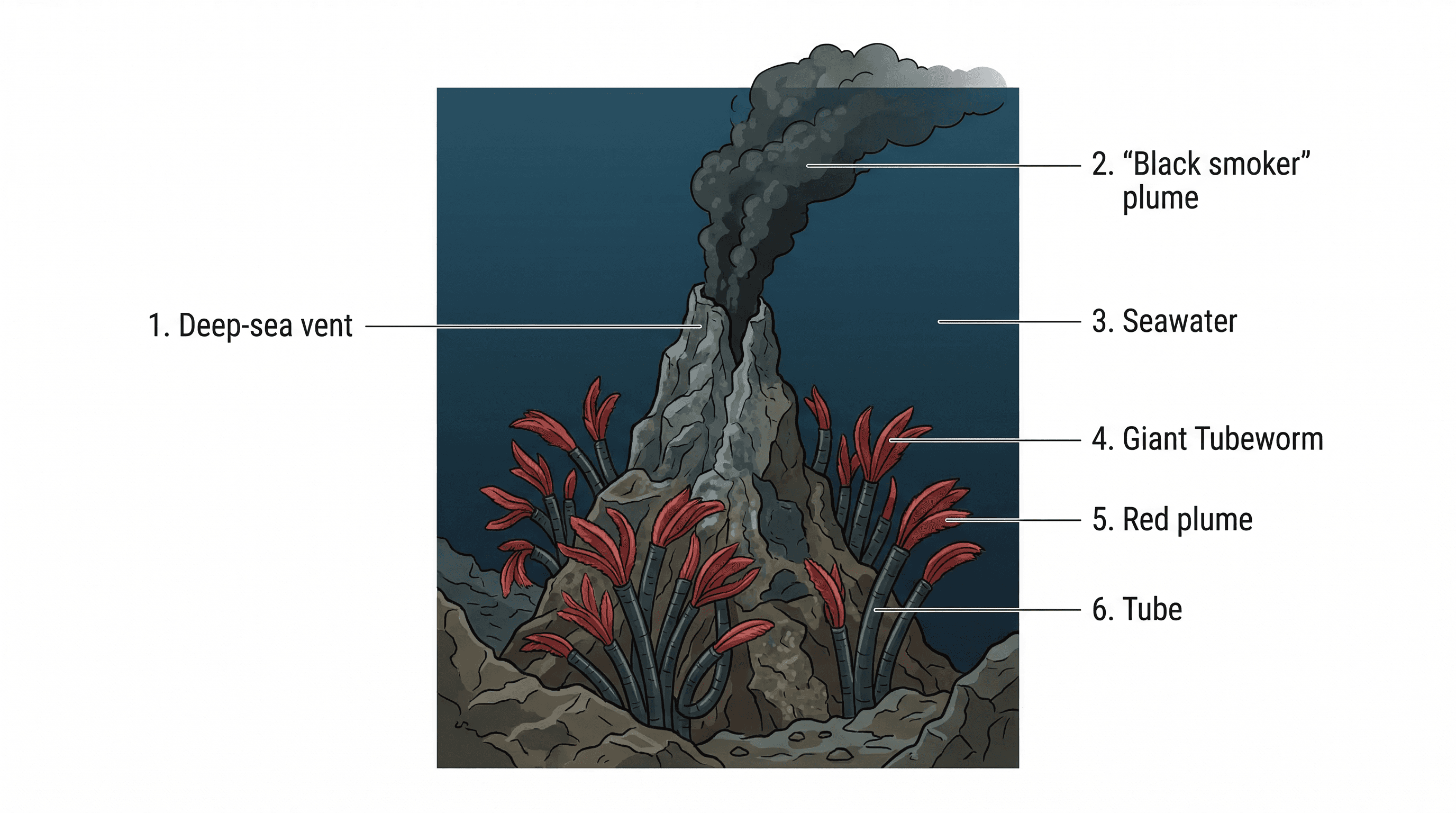
kingdom — The taxonomic rank below domain.
Kingdoms are broad groupings within domains, further categorizing organisms based on general characteristics such as cell type, mode of nutrition, and body organization. The Eukarya domain is divided into four kingdoms: Protoctista, Fungi, Plantae, and Animalia. If 'domain' is a continent, then 'kingdom' is a large country within that continent, containing many different regions (phyla) and cities (species).
Be able to list the four eukaryotic kingdoms and their defining characteristics, especially for 'Outline' or 'Describe' questions.
Bacteria — The domain that contains all prokaryotic organisms except those classified as Archaea.
Bacteria are single-celled prokaryotes characterized by the absence of a nucleus and membrane-bound organelles, having circular DNA without histone proteins, and cell walls containing peptidoglycans. Think of bacteria as the 'classic' single-celled organisms, like the common germs you might hear about, distinct from the more 'extreme' archaeans.
Archaea — The domain of prokaryotic organisms that resemble bacteria but share some features with eukaryotes.
Archaeans are prokaryotes that often inhabit extreme environments and possess unique membrane lipids, ribosomal RNA sequences more similar to eukaryotes, and cell walls without peptidoglycans, distinguishing them from Bacteria. Imagine Archaea as the 'ancient survivors' of the microbial world, thriving in conditions that most other life forms cannot tolerate.
Highlight the 'extreme environments' and the unique molecular features (rRNA, membrane lipids) when describing Archaea, as these are key to their classification.
Eukarya — The domain that contains all eukaryotic organisms: protoctists, fungi, plants and animals.
Eukarya is characterized by cells possessing a nucleus and membrane-bound organelles, with DNA arranged in linear chromosomes associated with histone proteins, and larger (80S) ribosomes in the cytosol. Think of Eukarya as all the 'complex' life forms you can see with the naked eye, plus many microscopic ones, all sharing the fundamental feature of having cells with internal compartments.
When describing Eukarya, emphasize the presence of a nucleus and membrane-bound organelles as the defining characteristics, and mention the four kingdoms within it.
Protoctista — Kingdom of eukaryotic organisms which are single-celled or made up of groups of similar cells.
This is a highly diverse kingdom of eukaryotes that do not fit into the Fungi, Plantae, or Animalia kingdoms. They can be animal-like (protozoa) or plant-like (algae), with varying cell structures and modes of nutrition. Think of the Protoctista as the 'miscellaneous' drawer of eukaryotes; if it has a nucleus but isn't clearly a fungus, plant, or animal, it probably belongs here.
protoctist — A member of the Protoctista kingdom.
Protoctists are a diverse group of eukaryotic organisms, including single-celled forms like amoebas and paramecia, and simple multicellular forms like seaweeds, characterized by their varied cellular organization and nutritional strategies. A protoctist is like a 'biological odd job' organism; it's eukaryotic but doesn't quite fit into the more defined categories of plants, animals, or fungi.
Provide examples of protoctists (e.g., Amoeba, Volvox, seaweed) to illustrate their diversity when asked to 'Describe' them.
Fungi — Kingdom of eukaryotic organisms which do not photosynthesise and have cell walls but without cellulose.
Fungi are heterotrophic eukaryotes that obtain nutrients by absorbing organic compounds from their environment, often through decomposition or parasitism. Their cell walls are typically made of chitin, not cellulose, and they reproduce via spores. Think of fungi as the 'recyclers' of the biological world; they break down dead matter and absorb nutrients, much like a compost heap.
Students often confuse fungi with plants due to their stationary nature and cell walls, but actually, fungi are heterotrophic and have chitin cell walls, unlike plants which are autotrophic with cellulose walls.
Emphasize heterotrophic nutrition, chitin cell walls, and reproduction by spores as key distinguishing features of fungi in 'Outline' or 'Compare' questions.
Plantae — Kingdom of eukaryotic organisms which are multicellular, have cell walls that contain cellulose and can photosynthesise.
Plants are multicellular, autotrophic eukaryotes that produce their own food through photosynthesis, possess specialized cells forming tissues and organs, and have rigid cell walls primarily composed of cellulose. Think of plants as the 'primary producers' of most ecosystems, converting sunlight into energy, much like a solar panel converts light into electricity.
When describing Plantae, ensure you include multicellularity, autotrophic nutrition (photosynthesis), and cellulose cell walls as defining characteristics.
Animalia — Kingdom of eukaryotic organisms which are multicellular and heterotrophic and have a nervous system.
Animals are multicellular, heterotrophic eukaryotes that obtain food by ingestion, lack cell walls and chloroplasts, and are characterized by specialized cells, tissues, and organs, including a unique nervous system for communication. Think of animals as the 'consumers' of the biological world, actively seeking and ingesting food, and often moving and reacting to their environment.
Key features for Animalia include multicellularity, heterotrophic nutrition, absence of cell walls, and the presence of a nervous system for communication.
Viruses are classified separately from the three domains and four eukaryotic kingdoms. They are not considered living organisms in the same way as cellular life forms, as they lack cellular structure and metabolic machinery, relying instead on host cells for replication.
biodiversity — The variety of ecosystems and species in an area and the genetic diversity within each species.
Biodiversity encompasses three levels: the diversity of ecosystems and habitats, the number and relative abundance of different species, and the genetic variation within individual species. High biodiversity generally leads to more stable and resilient ecosystems. Imagine a diverse library with many different genres of books (ecosystems), many different authors (species), and many different editions or translations of each book (genetic diversity).
Students often think biodiversity is just about the number of species, but actually, it also includes ecosystem diversity and genetic diversity within species.
When asked to 'Explain the importance of biodiversity', ensure you address all three levels (ecosystem, species, genetic) and link them to ecosystem stability, resilience, and potential for future resources.
endemic — Of species, a species that is only found in a certain area and nowhere else.
Endemic species are geographically restricted to a particular region, making them particularly vulnerable to habitat loss or environmental changes in that specific area, as they have no other populations elsewhere. Think of a local restaurant that only serves a dish unique to that town; that dish is 'endemic' to that town because you can't find it anywhere else.
ecosystem — A relatively self-contained, interacting community of organisms, and the environment in which they live and with which they interact.
An ecosystem includes both the living (biotic) components, such as plants, animals, and microorganisms, and the non-living (abiotic) components, such as soil, water, and air, all interacting as a functional unit. A fish tank is a small ecosystem: the fish, plants, and bacteria are the community, and the water, gravel, and filter are the environment they interact with.
When defining 'ecosystem', ensure you mention both 'community of organisms' and 'environment' and their 'interactions' for a complete definition.
community — All of the living organisms, of all species, that are found in a particular ecosystem at a particular time.
A community refers to the collection of different populations of species that live and interact within a specific area, forming a complex web of relationships such as predation, competition, and symbiosis. In a neighborhood, all the different types of people (families, individuals, different professions) living and interacting together form a community.
habitat — The place where an organism, a population or a community lives.
A habitat is the specific physical environment where a species or group of species naturally resides, providing the necessary resources and conditions for their survival and reproduction. Your home address is your habitat; it's the specific place where you live.
niche — The role of an organism in an ecosystem; it is how the organism ‘fits into’ the ecosystem.
An organism's niche describes its specific role, including how it obtains energy, its interactions with other species (e.g., predator, prey, competitor), and its relationship with the physical environment (e.g., temperature, light requirements). If a habitat is an organism's address, its niche is its job description, including what it eats, who eats it, and how it affects its surroundings.
When defining 'niche', ensure you include aspects beyond just location, such as 'how it obtains energy' and 'how it interacts with both its physical environment and with other species'.
species diversity — All the species in an ecosystem.
Species diversity considers both species richness (the number of different species) and species evenness (the relative abundance of each species). Higher diversity implies a greater number of species and a more balanced distribution of individuals among those species. Imagine two classrooms: one has 20 students, all from different countries (high species richness). Another has 20 students, with 19 from one country and 1 from another (low species evenness). Species diversity considers both.
Students often equate species diversity solely with species richness, but actually, it also includes species evenness, meaning how balanced the populations of those species are.
When comparing species diversity, remember to consider both species richness and species evenness; a high number of species with one dominant species results in lower diversity than a similar number of species with more even abundances.
genetic diversity — All the alleles of all the genes in the genome of a species.
Genetic diversity refers to the variation in genetic material (alleles) within a single species. This diversity is crucial for a species' ability to adapt to changing environmental conditions, resist diseases, and survive long-term. Think of a deck of cards for a species; genetic diversity is like having a full deck with many different suits and numbers (alleles), rather than a deck with only aces of spades.
When discussing genetic diversity, link it directly to the ability of a population to adapt to changes in biotic and abiotic factors, such as disease resistance or climate change.
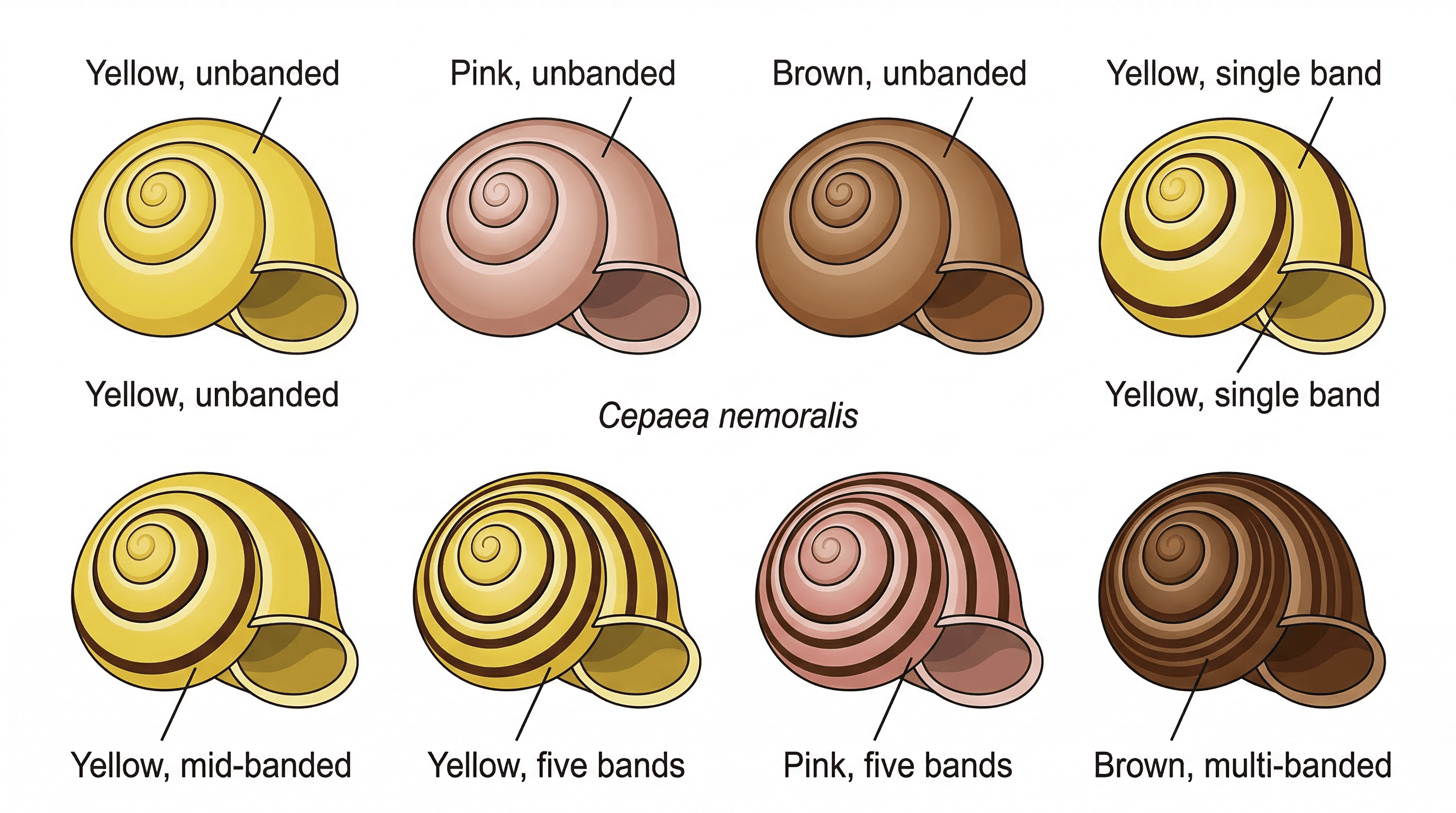
To assess species diversity, ecologists employ various sampling techniques to estimate the occurrence, abundance, and distribution of species within an ecosystem. This involves collecting organisms, making species lists, and using methods like random or systematic sampling to gather representative data.
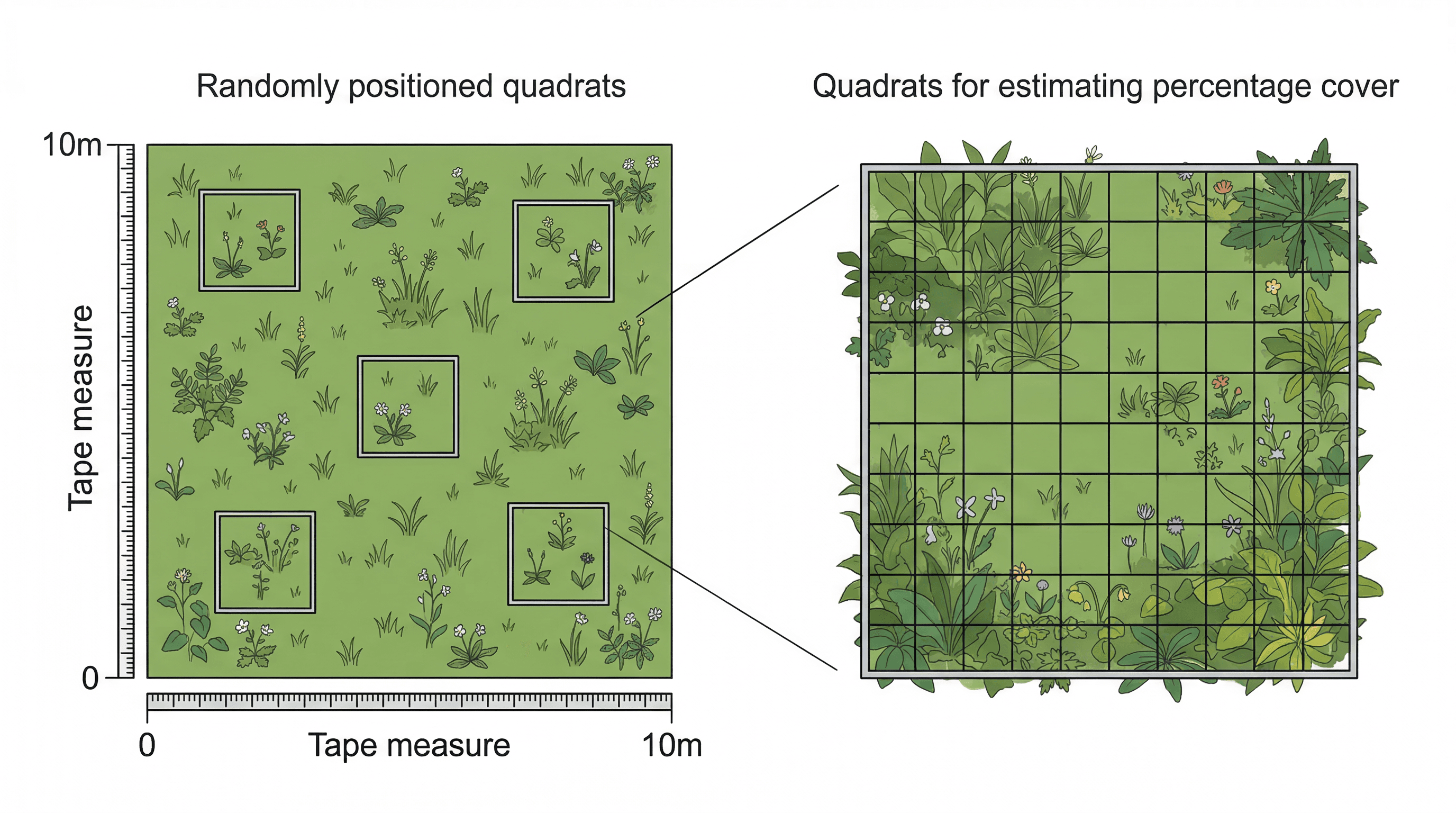
random sampling — Method of investigating the abundance and/or distribution of populations which is determined by chance and shows no bias on the part of the person carrying out the sampling.
Random sampling ensures that every part of the study area has an equal chance of being sampled, thereby producing data that is representative of the entire area and minimizing observer bias. Picking names out of a hat to choose who gets a prize is random sampling; everyone has an equal chance, and the selection is unbiased.
Students often think 'random' means haphazard, but actually, it requires a systematic method (e.g., using random number generators for coordinates) to ensure true randomness and avoid bias.
When describing random sampling, always mention using a random number generator or similar method to ensure unbiased placement of quadrats.
quadrat — A square frame which is used to mark out an area for sampling populations of organisms.
Quadrats are used in ecological surveys to define a specific area for counting individuals, estimating percentage cover, or recording species frequency, particularly for sessile or slow-moving organisms. A quadrat is like a picture frame that you place on the ground to focus on and study a small, defined section of a larger landscape.
When describing quadrat use, mention its application for measuring species frequency, species density, or percentage cover, and the importance of appropriate size and random placement.
mark–release–recapture — A method of estimating the numbers of individuals in a population of mobile animals.
This technique involves capturing a sample of mobile animals, marking them, releasing them, and then recapturing a second sample to estimate the total population size. It assumes no immigration, emigration, births, or deaths between samples, and that marking does not affect survival or recapture probability.
Lincoln Index (Population Size Estimate)
Used for estimating population size of mobile animals using the mark–release–recapture technique. Assumes no immigration, emigration, births, or deaths between samples, and that marking does not affect survival or recapture probability.
Simpson’s index of diversity (D)
Used to calculate the biodiversity of a habitat. Values range from 0 (low diversity) to 1 (high diversity). A higher value indicates greater species diversity, considering both richness and evenness.
systematic sampling — A non-random method of investigating the abundance and/or distribution of populations in which the position of sampling points are determined by the person carrying out the sampling (e.g. at every 2 m along a transect).
Systematic sampling is used when there is a clear environmental gradient or pattern in the distribution of species, allowing researchers to investigate how species abundance or distribution changes along that gradient. If you want to see how house prices change as you move away from the city center, you might check prices every mile along a straight road; this is systematic, not random.
Students often think systematic sampling is always inferior to random sampling, but actually, it is more appropriate and effective when investigating environmental gradients or patterns.
Specify that systematic sampling is used when conditions are 'not uniform' or when investigating 'gradients' (e.g., along a transect) to justify its use over random sampling.
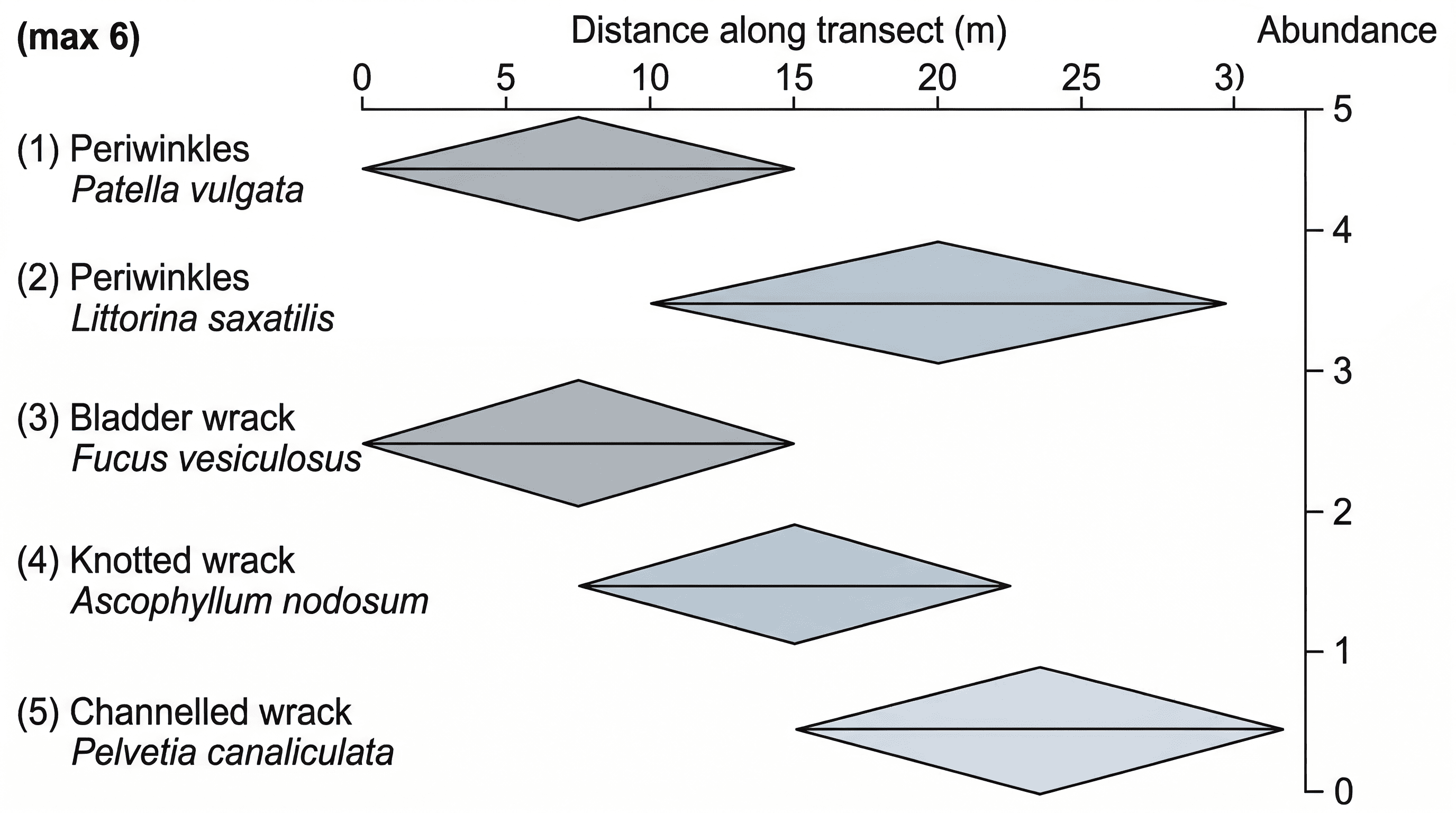
transect — A line marked by a tape measure along which samples are taken, either by noting the species at equal distances (line transect) or placing quadrats at regular intervals (belt transect).
Transects are used in systematic sampling to study how species distribution and abundance change along an environmental gradient, such as from the seashore to inland, or up a mountain slope. They provide a structured way to record data at regular intervals.
Kite diagrams are a visual tool used to display data on species abundance along a transect. They effectively illustrate how the distribution and abundance of different species vary with changes in environmental factors. The width of the 'kite' at each sampling point represents the abundance of a particular species.
Correlation refers to a statistical relationship between two variables. It indicates whether two variables tend to change together, but it does not imply that one variable causes the other. Statistical methods like Spearman's rank correlation and Pearson's linear correlation are used to quantify the strength and direction of these relationships.
Students often assume correlation implies causation, but statistical tests like Pearson's and Spearman's only show a relationship, not cause and effect.
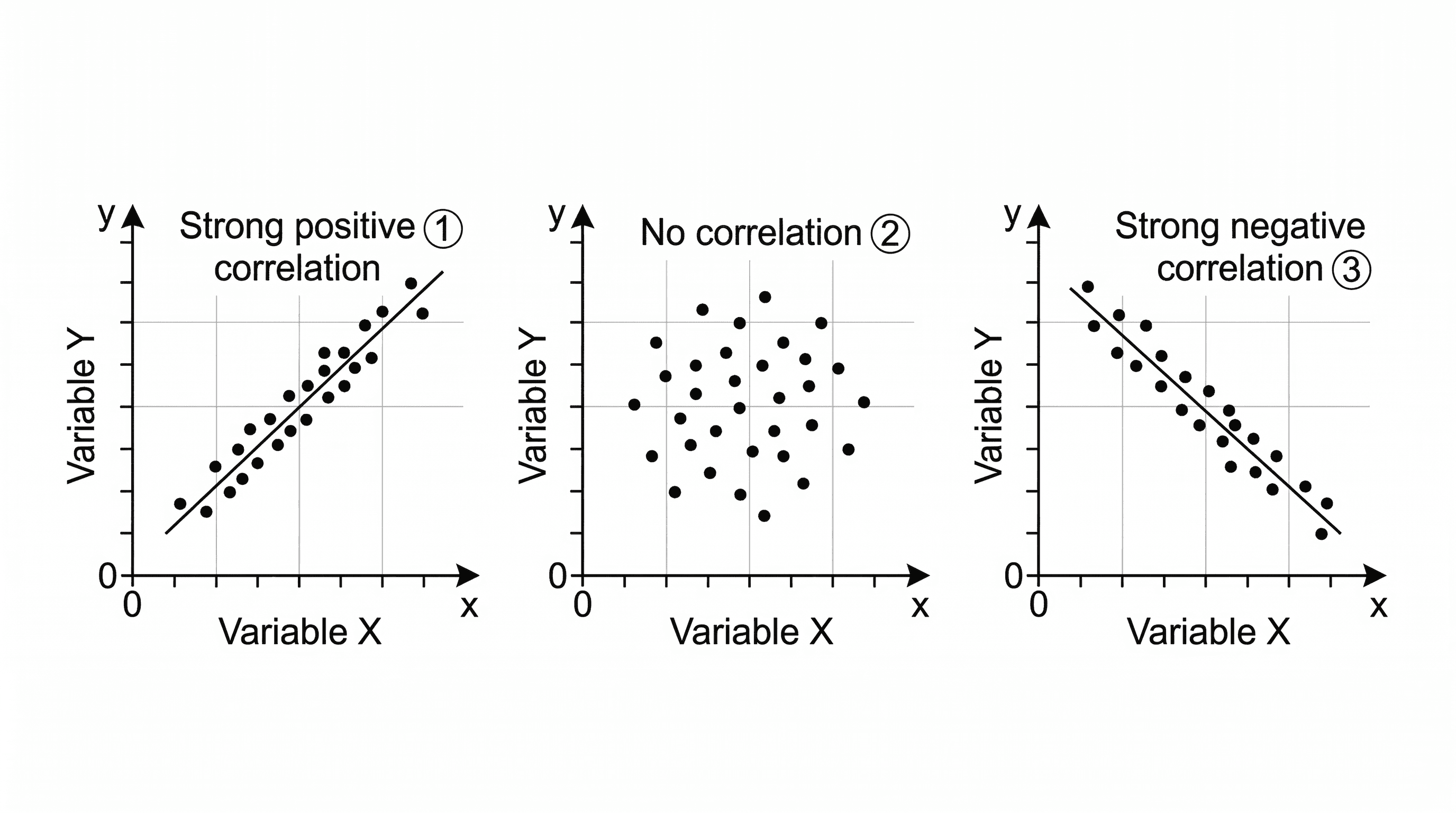
Spearman’s rank correlation — A statistical test to determine if there is a correlation between two variables when one or both of them are not normally distributed.
Spearman's rank correlation coefficient (r_s) is a non-parametric measure of the strength and direction of association between two ranked variables. It is particularly useful when data are ordinal or when the assumptions for Pearson's correlation are not met.
Spearman’s rank correlation coefficient (rs)
Used to determine if there is a correlation between two variables when one or both are not normally distributed, or when using ordinal data. Values range from -1 (perfect negative correlation) to +1 (perfect positive correlation).
Pearson’s linear correlation — A statistical test used to determine if there is a linear correlation between two variables that are normally distributed.
Pearson's linear correlation coefficient (r) measures the strength and direction of a linear relationship between two continuous variables. It requires that both variables are normally distributed and that the relationship is linear.
Pearson’s linear correlation coefficient (r)
Used to determine if there is a linear correlation between two continuous variables that are normally distributed. Values range from -1 (perfect negative linear correlation) to +1 (perfect positive linear correlation). Correlation does not imply causation.
Maintaining biodiversity is crucial for ecological stability, providing essential ecosystem services, and offering potential resources for human benefit. The loss of biodiversity, often due to human activities, leads to extinctions and reduces the resilience of ecosystems to environmental changes.
Species may become extinct due to various factors, including habitat loss and fragmentation, climate change, pollution, overexploitation, and the introduction of invasive alien species. These factors often interact, accelerating the rate of species decline.
alien species — A species that has moved into a new ecosystem where it was previously unknown; also known as invasive species.
Alien species, also known as invasive species, can pose a significant threat to native biodiversity by outcompeting native species for resources, preying on them, or introducing diseases. Controlling these species is often necessary to protect local ecosystems.
Conservation efforts aim to protect endangered species and their habitats through both in situ (in their natural habitat) and ex situ (outside their natural habitat) methods. In situ strategies include establishing national parks and protected areas, while ex situ methods involve zoos, botanic gardens, seed banks, and assisted reproduction techniques.
assisted reproduction — Any technique that is involved in treating infertility or protecting a female mammal of an endangered species from the health risks of pregnancy.
Assisted reproduction techniques are vital in the conservation of endangered mammal species, helping to increase population numbers and maintain genetic diversity. These methods include artificial insemination, in vitro fertilisation, and embryo transfer.
artificial insemination (AI) — Injection of semen collected from a male into the uterus.
Artificial insemination is a technique used in assisted reproduction where semen is collected from a male and directly injected into the uterus of a female. This method can overcome geographical barriers or behavioral incompatibilities between individuals, facilitating breeding in endangered species.
in vitro fertilisation (IVF) — The fertilisation of an egg that occurs outside the body of a female (e.g. in a Petri dish).
In vitro fertilisation involves the fertilization of an egg by sperm outside the body, typically in a laboratory setting. The resulting embryos can then be transferred into a surrogate mother or cryopreserved for future use, offering a way to breed endangered species with limited reproductive success.
embryo transfer — Embryos are removed from the uterus of a female mammal of an endangered species shortly after fertilisation and transferred to surrogate females to bring to full term.
Embryo transfer involves moving embryos from a donor female to a surrogate mother. This allows a single endangered female to produce more offspring than she could naturally, as multiple surrogates can carry pregnancies to term, maximizing reproductive output.
surrogacy — A female becomes pregnant with an embryo from another female and carries it to full term; embryos can be conceived naturally, by AI or by IVF.
Surrogacy in conservation involves a female carrying an embryo from another female, often of an endangered species, to full term. This can be achieved through natural conception, artificial insemination, or in vitro fertilisation, providing a means to increase the birth rate of vulnerable populations.
frozen zoo — A facility where genetic materials taken from animals are stored at very low temperatures (–196 °C); sperm, eggs, embryos and tissue samples are examples of these genetic materials.
Frozen zoos are critical ex situ conservation facilities that store genetic material such as sperm, eggs, embryos, and tissue samples from endangered animals at ultra-low temperatures. This preserves genetic diversity for future breeding programs or reintroduction efforts, acting as a genetic safeguard against extinction.
seed bank — Facility where seeds are dried and kept in cold storage to conserve plant biodiversity.
Seed banks are vital for plant conservation, storing seeds under controlled conditions (dried and cold) to maintain their viability for long periods. This preserves the genetic diversity of plant species, including endangered ones and those with agricultural importance, for future use or reintroduction.
Global conservation efforts are supported by international organisations like CITES and IUCN, which play crucial roles in regulating trade, assessing species' conservation status, and coordinating worldwide initiatives to protect biodiversity.
CITES — The Convention on International Trade in Endangered Species of Wild Fauna and Flora.
CITES is an international agreement that regulates the international trade of wild animals and plants to ensure that such trade does not threaten their survival. It lists species in appendices according to their level of threat, imposing varying degrees of control on their trade.
IUCN — The International Union for Conservation of Nature.
The IUCN is a global authority on the status of the natural world and the measures needed to safeguard it. It publishes the Red List of Threatened Species, which assesses the conservation status of species worldwide, guiding conservation action and policy.
For all calculations (Simpson's, Lincoln, Spearman's), write out the formula, show your full working, and give your answer to an appropriate number of significant figures.
When interpreting a calculated correlation coefficient, always state the strength (strong/weak), direction (positive/negative), and conclude by stating that correlation does not prove causation.
When asked for reasons to maintain biodiversity, structure your answer with ecological, economic, and ethical points.
Be prepared to draw and interpret kite diagrams. Remember the width of the kite at any point along the transect line represents the abundance of the species.
When describing sampling techniques, be specific. For random sampling, state you would use a grid and random number generator to place quadrats. For systematic, mention laying a transect line and sampling at regular intervals.
biological species
A group of organisms with similar morphology and physiology, which can breed together to produce fertile offspring and are reproductively isolated from other species.
morphological species
A group of organisms that share many physical features that distinguish them from other species.
ecological species
A population of individuals of the same species living in the same area at the same time.
population
All of the organisms of the same species present in the same place and at the same time that can interbreed with one another.
biological classification
The organisation of living and extinct organisms into systematic groups based on similarities and differences between species.
taxonomy
The study and practice of naming and classifying species and groups of species within the hierarchical classification scheme.
hierarchical classification
The arrangement of organisms into groups of different rank, from species (lowest) to domain (highest), where similar groups are nested within larger, more inclusive groups.
taxonomic rank
One of the groups used in the hierarchical classification system for organisms, such as species, genus, family, order, class, phylum, kingdom and domain.
taxon (plural: taxa)
A taxonomic group of any rank, such as a particular species (e.g. Giraffa camelopardalis), a family (e.g. Elephantidae), a class (e.g. Mammalia) or a kingdom (e.g. Plantae).
domain
The highest taxonomic rank.
kingdom
The taxonomic rank below domain.
Bacteria
The domain that contains all prokaryotic organisms except those classified as Archaea.
Archaea
The domain of prokaryotic organisms that resemble bacteria but share some features with eukaryotes.
Eukarya
The domain that contains all eukaryotic organisms: protoctists, fungi, plants and animals.
Protoctista
Kingdom of eukaryotic organisms which are single-celled or made up of groups of similar cells.
protoctist
A member of the Protoctista kingdom.
Fungi
Kingdom of eukaryotic organisms which do not photosynthesise and have cell walls but without cellulose.
Plantae
Kingdom of eukaryotic organisms which are multicellular, have cell walls that contain cellulose and can photosynthesise.
Animalia
Kingdom of eukaryotic organisms which are multicellular and heterotrophic and have a nervous system.
biodiversity
The variety of ecosystems and species in an area and the genetic diversity within each species.
endemic
Of species, a species that is only found in a certain area and nowhere else.
ecosystem
A relatively self-contained, interacting community of organisms, and the environment in which they live and with which they interact.
community
All of the living organisms, of all species, that are found in a particular ecosystem at a particular time.
habitat
The place where an organism, a population or a community lives.
niche
The role of an organism in an ecosystem; it is how the organism ‘fits into’ the ecosystem.
species diversity
All the species in an ecosystem.
genetic diversity
All the alleles of all the genes in the genome of a species.
random sampling
Method of investigating the abundance and/or distribution of populations which is determined by chance and shows no bias on the part of the person carrying out the sampling.
systematic sampling
A non-random method of investigating the abundance and/or distribution of populations in which the position of sampling points are determined by the person carrying out the sampling (e.g. at every 2 m along a transect).
quadrat
A square frame which is used to mark out an area for sampling populations of organisms.
mark–release–recapture
A method of estimating the numbers of individuals in a population of mobile animals.
Simpson’s index of diversity (D)
Used to calculate the biodiversity of a habitat; the range of values is 0 (low biodiversity) to 1 (high biodiversity).
transect
A line marked by a tape measure along which samples are taken, either by noting the species at equal distances (line transect) or placing quadrats at regular intervals (belt transect).
Pearson’s linear correlation
A statistical test used to determine if there is a linear correlation between two variables that are normally distributed.
Spearman’s rank correlation
A statistical test to determine if there is a correlation between two variables when one or both of them are not normally distributed.
assisted reproduction
Any technique that is involved in treating infertility or protecting a female mammal of an endangered species from the health risks of pregnancy.
artificial insemination (AI)
Injection of semen collected from a male into the uterus.
embryo transfer
Embryos are removed from the uterus of a female mammal of an endangered species shortly after fertilisation and transferred to surrogate females to bring to full term.
surrogacy
A female becomes pregnant with an embryo from another female and carries it to full term; embryos can be conceived naturally, by AI or by IVF.
in vitro fertilisation (IVF)
The fertilisation of an egg that occurs outside the body of a female (e.g. in a Petri dish).
frozen zoo
A facility where genetic materials taken from animals are stored at very low temperatures (–196 °C); sperm, eggs, embryos and tissue samples are examples of these genetic materials.
seed bank
Facility where seeds are dried and kept in cold storage to conserve plant biodiversity.
alien species
A species that has moved into a new ecosystem where it was previously unknown; also known as invasive species.
| Command word | What examiners expect |
|---|---|
| Define | Provide a precise, one-sentence biological definition. For 'species', include 'fertile offspring' and 'reproductively isolated'. For 'ecosystem', include 'community', 'environment', and 'interactions'. |
| Explain | Go beyond a definition; provide reasons, mechanisms, or implications. For 'classification', explain its purpose (understanding relationships, ease of study). For 'biodiversity', explain its importance at ecosystem, species, and genetic levels. |
| Outline | Give the main features or general principles. For 'domains' or 'kingdoms', list them and state their key distinguishing characteristics without excessive detail. |
| Discuss | Present a balanced argument or consider different aspects of a topic. For 'reasons for maintaining biodiversity', include ecological, economic, and ethical points. For 'species concepts', compare their strengths and limitations. |
| Describe | Give a detailed account of a process or feature. For 'sampling techniques', describe the steps involved (e.g., using a random number generator for quadrat placement, or laying a transect line). |
| Calculate | Show all working, including the formula, substitution of values, and the final answer with appropriate significant figures. For Simpson's Index, show (n/N)^2 for each species and the summation. |
Mistake
Thinking organisms that look similar must be the same species.
Correction
The biological species concept defines species by their ability to interbreed and produce fertile offspring, and being reproductively isolated from other species, not just by appearance.
Mistake
Confusing 'taxonomy' with 'classification'.
Correction
Taxonomy is the broader scientific study and practice of naming and classifying organisms, while classification is the act of organizing them into groups.
Mistake
Believing Kingdom is the highest taxonomic rank.
Correction
Domain is the highest taxonomic rank, above Kingdom, reflecting deeper evolutionary divergences.
Mistake
Confusing Fungi with Plants.
Correction
Fungi are heterotrophic (absorb nutrients) and have cell walls made of chitin, whereas plants are autotrophic (photosynthesize) and have cellulose cell walls.
Mistake
Equating species diversity with only the number of different species (richness).
Correction
Species diversity includes both species richness (number of species) and species evenness (relative abundance of each species).
Mistake
Assuming correlation implies causation.
Correction
Correlation indicates a relationship between variables, but it does not prove that one variable causes the other. Other factors may be involved.
Mistake
Using random sampling with quadrats in an area with a clear environmental gradient.
Correction
Systematic sampling along a transect is more appropriate for investigating changes in species distribution and abundance along an environmental gradient.