
Nexelia Academy · Official Revision Notes
Complete A-Level revision notes · 9 chapters
This chapter explores fundamental research methods in psychology, including experiments, self-reports, case studies, observations, and correlations. It details the research process from hypothesis development and variable definition to sampling and data analysis, while also covering crucial methodological and ethical considerations.
experiment — an investigation looking for a causal relationship in which an independent variable is manipulated and is expected to be responsible for changes in the dependent variable.
Experiments are the only research method that can establish cause-and-effect relationships by systematically controlling variables. The researcher actively changes one variable, known as the independent variable (IV), to see its direct impact on another, the dependent variable (DV). This is like a chef changing only one ingredient (IV) in a recipe to see how it affects the final taste (DV) of the dish.
independent variable — the factor under investigation in an experiment which is manipulated to create two or more conditions (levels) and is expected to be responsible for changes in the dependent variable.
The IV is the variable that the experimenter changes or controls. It creates different conditions that participants experience, and these conditions are hypothesised to cause a change in the dependent variable. For example, in a study on plant growth, the amount of water given to plants is the independent variable because the researcher controls it.
dependent variable — the factor in an experiment which is measured and is expected to change under the influence of the independent variable.
The DV is the outcome variable that the researcher measures. Any observed changes in the DV are presumed to be caused by the manipulation of the independent variable. Continuing the plant growth study, the height of the plants is the dependent variable because it's what you measure to see the effect of the water.
extraneous variable — a variable which either acts randomly, affecting the DV in all levels of the IV or systematically, i.e. on one level of the IV (called a confounding variable) so can obscure the effect of the IV, making the results difficult to interpret.
These are variables other than the IV that could potentially influence the DV. They need to be controlled to ensure that any observed effect is truly due to the IV and not other factors. For instance, if you're testing a new fertiliser (IV) on plant growth (DV), sunlight, temperature, and soil quality are extraneous variables that need to be kept constant.
Students often confuse independent and dependent variables. Remember that the Independent Variable (IV) is manipulated by the researcher, while the Dependent Variable (DV) is measured.
When asked to 'describe an experiment', ensure you clearly identify the manipulated IV and the measured DV, and mention controls for extraneous variables.
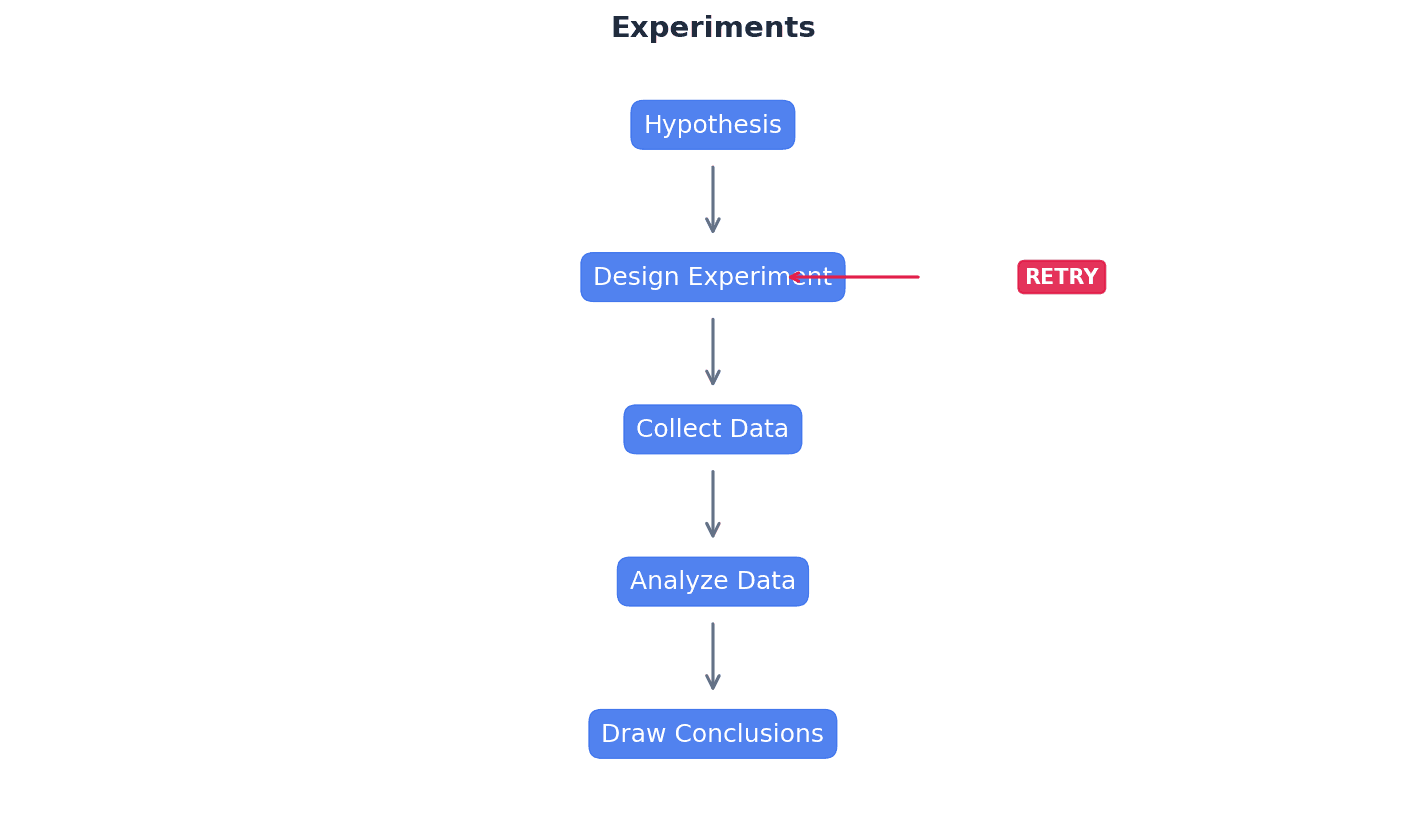
experimental condition — one or more of the situations in an experiment which represent different levels of the IV and are compared (or compared to a control condition).
These are the specific settings or treatments created by manipulating the independent variable. Participants are exposed to one or more of these conditions to observe their effect on the dependent variable. In a taste test, 'sweetened' and 'unsweetened' versions of a drink would be two experimental conditions.
control condition — a level of the IV in an experiment from which the IV is absent. It is compared to one or more experimental conditions.
This condition serves as a baseline for comparison, where the independent variable is either absent or at a 'normal' level. It helps determine if the experimental manipulation truly causes a change. In a drug trial, the group receiving a placebo (no active drug) is the control condition, compared to the group receiving the actual drug.
laboratory experiment — a research method in which there is an IV, a DV and strict controls. It looks for a causal relationship and is conducted in a setting that is not in the usual environment for the participants with regard to the behaviour they are performing.
Conducted in an artificial, controlled environment, laboratory experiments allow for high control over extraneous variables and precise measurement. This increases internal validity and reliability but may reduce ecological validity. An example is testing how different light colours affect reaction time in a specially designed, windowless room at a university.
field experiment — an investigation looking for a causal relationship in which an independent variable is manipulated and is expected to be responsible for changes in the dependent variable. It is conducted in the normal environment for the participants for the behaviour being investigated.
Field experiments are conducted in a natural setting, allowing for greater ecological validity than lab experiments. The IV is still manipulated, but in a real-world context, which can make control of extraneous variables more challenging. For example, testing the effect of different background music (IV) on customer spending (DV) in an actual shop.
natural experiment — an investigation looking for a causal relationship in which the independent variable cannot be directly manipulated by the experimenter. Instead they study the effect of an existing difference or change. Since the researcher cannot manipulate the levels of the IV it is not a true experiment.
In a natural experiment, the independent variable occurs naturally, without researcher intervention (e.g., a natural disaster, a policy change). The researcher observes the effect of this pre-existing IV on a DV. An example is studying the psychological impact of a natural disaster (IV) on residents' stress levels (DV), where the disaster itself is not manipulated by the researcher.
When evaluating lab experiments, discuss the trade-off between high control/internal validity and potential low ecological validity/demand characteristics.
experimental design — the way in which participants are allocated to levels of the IV.
This refers to how participants are distributed across the different conditions of an experiment. The choice of design impacts how individual differences are handled and the potential for order effects. It's like deciding whether to have different groups of students for each teaching method (independent measures) or have the same students try all methods (repeated measures).
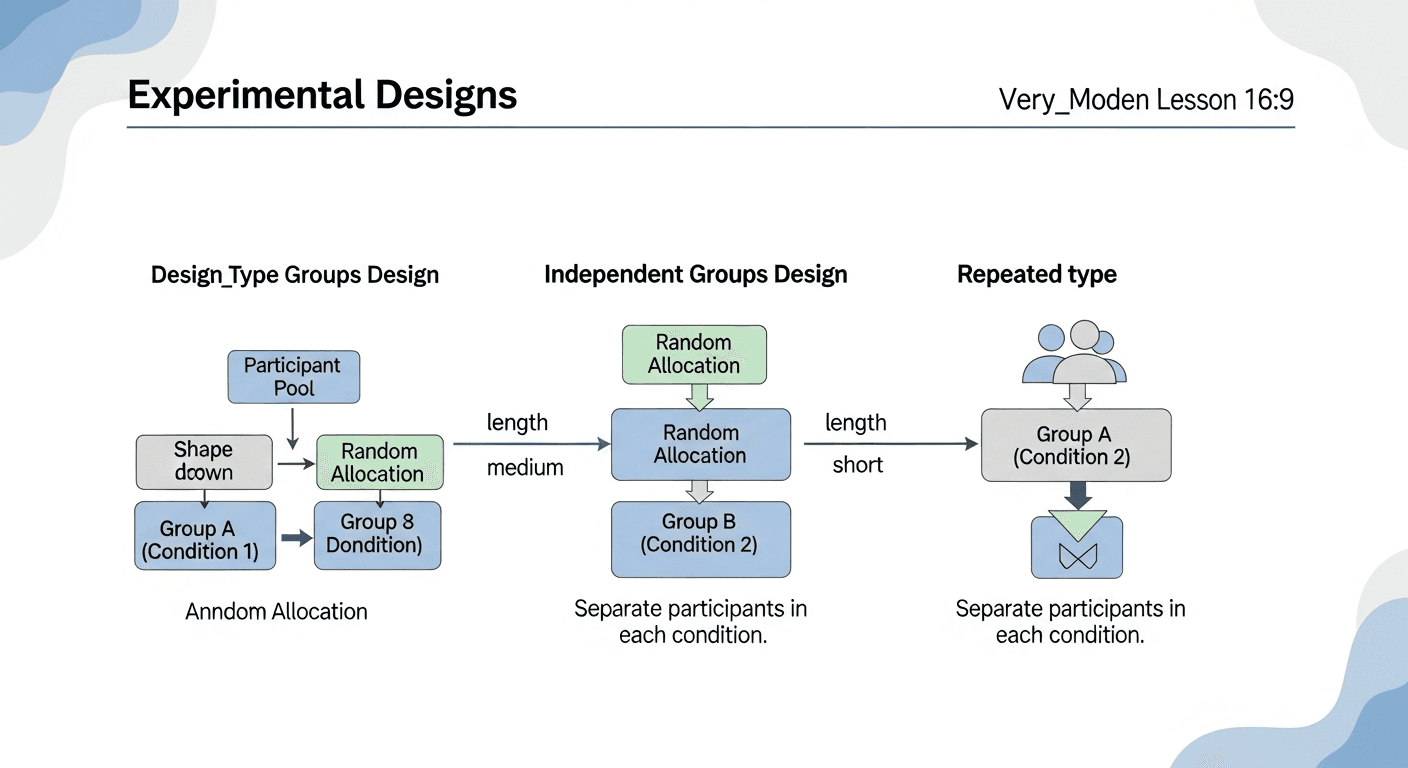
independent measures design — an experimental design in which a different group of participants is used for each level of the IV (condition).
Each participant experiences only one condition of the independent variable. This avoids order effects but can be susceptible to participant variables if random allocation is not effective. For example, having one group of students learn with mind maps and a completely different group learn with revision apps.
demand characteristics — features of the experimental situation which give away the aims. They can cause participants to try to change their behaviour, e.g. to match their beliefs about what is supposed to happen, which reduces the validity of the study.
These are cues in the research setting that might inform participants about the study's purpose, leading them to alter their natural behaviour. This can bias results and lower validity. If a participant guesses a study is about memory, they might try harder to remember things, not reflecting their usual memory ability.
random allocation — a way to reduce the effect of confounding variables such as individual differences. Participants are put in each level of the IV such that each person has an equal chance of being in any condition.
This technique ensures that individual differences are spread evenly across all experimental conditions, making it less likely that participant variables will confound the results. It's like flipping a coin to decide which group each new participant goes into, ensuring no bias in group formation.
Students often confuse random sampling with random allocation. Random sampling is about selecting participants from a population, while random allocation is about assigning participants to experimental conditions.
repeated measures design — an experimental design in which each participant performs in every level of the IV.
The same group of participants experiences all conditions of the independent variable. This controls for participant variables but introduces the risk of order effects. An example is having the same group of students try both the mind map method and the revision app method for learning.
participant variables — individual differences between participants (such as age, personality and intelligence) that could affect their behaviour in a study. They could hide or exaggerate differences between levels of the IV.
These are characteristics unique to each participant that might influence their performance on the dependent variable, independent of the IV. They are a particular concern in independent measures designs. In a study on reaction time, some participants might naturally have faster reflexes than others, regardless of the experimental condition.
order effects — practice and fatigue effects are the consequences of participating in a study more than once, e.g. in a repeated measures design. They cause changes in performance between conditions that are not due to the IV, so can obscure the effect on the DV.
These occur when the order in which participants experience conditions affects their performance. Practice effects lead to improvement, while fatigue effects lead to decline. If you take two tests, you might do better on the second because you're warmed up (practice effect) or worse because you're tired (fatigue effect).
Students often overlook order effects in repeated measures design. Remember to consider both practice and fatigue effects and how to control them (e.g., counterbalancing).
practice effect — a situation where participants’ performance improves because they experience the experimental task more than once, e.g. due to familiarity or learning the task.
This is a type of order effect where repeated exposure to a task leads to better performance, not because of the IV, but because participants become more skilled or familiar with the task. An example is getting better at a video game after playing it a few times, even if the game itself hasn't changed.
fatigue effect — a situation where participants’ performance declines because they have experienced an experimental task more than once, e.g. due to boredom or tiredness.
This is a type of order effect where repeated exposure to a task leads to worse performance, not because of the IV, but because participants become bored, tired, or less motivated. This is like making more mistakes on a long exam towards the end because you're mentally exhausted.
randomisation — a way to reduce order effects in a repeated measures design by presenting the conditions in a random order for each participant.
This method helps to balance out order effects by ensuring that each condition has an equal chance of appearing first or second. While it reduces the overall impact, it doesn't eliminate order effects for individual participants. It's like shuffling a deck of cards before each game to ensure no fixed order of cards.
counterbalancing — counterbalancing is used to overcome order effects in a repeated measures design. Each possible order of levels of the IV is performed by a different sub-group of participants. This can be described as an ABBA design, as half the participants do condition A then B, and half do B then A.
This systematic method ensures that each condition is presented first and second an equal number of times across the entire sample. This balances out practice and fatigue effects, making them less likely to bias the overall results. For example, if you have two tasks (A and B), half the participants do A then B, and the other half do B then A, so any advantage or disadvantage of doing one first is cancelled out.
When using repeated measures, always discuss counterbalancing or randomisation as essential controls for order effects.
matched pairs design — an experimental design in which participants are arranged into pairs. Each pair is similar in ways that are important to the study and one member of each pair performs in a different level of the IV.
This design uses different participants in each condition, but they are carefully matched on key characteristics relevant to the study. This minimises participant variables while avoiding order effects. If studying the effect of a new teaching method, you might pair students with similar prior grades, then assign one from each pair to the new method and the other to the old method.
standardisation — keeping the procedure for each participant in an experiment (or interview) exactly the same to ensure that any differences between participants or conditions are due to the variables under investigation rather than differences in the way they were treated.
Standardisation ensures consistency in how the study is conducted, from instructions given to the environment. This reduces extraneous variables and increases the reliability of the findings. It's like following a recipe exactly every time you bake a cake to ensure consistent results.
reliability — the extent to which a procedure, task or measure is consistent, for example that it would produce the same results with the same people on each occasion.
Reliability refers to the consistency and repeatability of a study's findings. A reliable measure will produce similar results under consistent conditions. A reliable bathroom scale gives you the same weight every time you step on it, assuming your actual weight hasn't changed.
validity — the extent to which the researcher is testing what they claim to be testing.
Validity refers to the accuracy of a study's findings – whether it truly measures what it intends to measure and whether the results can be generalised. It's about the truthfulness of the research. A valid intelligence test actually measures intelligence, not just how good you are at taking tests.
Students often confuse validity with reliability. A study can be reliable (consistent) but not valid (not measuring what it claims).
generalise — apply the findings of a study more widely, e.g. to other settings and populations.
Generalisability refers to the extent to which the results of a study conducted on a specific sample in a specific setting can be applied to a larger population or different situations. For example, if a new teaching method works well in one school, can we generalise that it will work well in all schools?
ecological validity — the extent to which the findings of research in one situation would generalise to other situations. This is influenced by whether the situation (e.g. a laboratory) represents the real world effectively and whether the task is relevant to real life (has mundane realism).
This type of validity concerns how well the experimental setting and tasks reflect real-world situations. High ecological validity means the findings are more likely to apply to everyday life. A study on memory conducted in a classroom using typical learning materials would have higher ecological validity than one conducted in a sterile lab using abstract word lists.
uncontrolled variable — a confounding variable that may not have been identified and eliminated in an experiment, which can confuse the results. It may be a feature of the participants or the situation.
These are extraneous variables that were not controlled for, and which systematically affected the dependent variable, making it difficult to determine if the IV was truly responsible for the observed changes. If you're testing a new teaching method, and one class happens to have a highly experienced teacher while the other has a novice, the teacher's experience becomes an uncontrolled variable.
Ethical issues are paramount in psychological research to protect participants' well-being and rights. Key ethical guidelines include informed consent, the right to withdraw, and ensuring privacy and confidentiality. Researchers must carefully consider these aspects when designing and conducting any study.
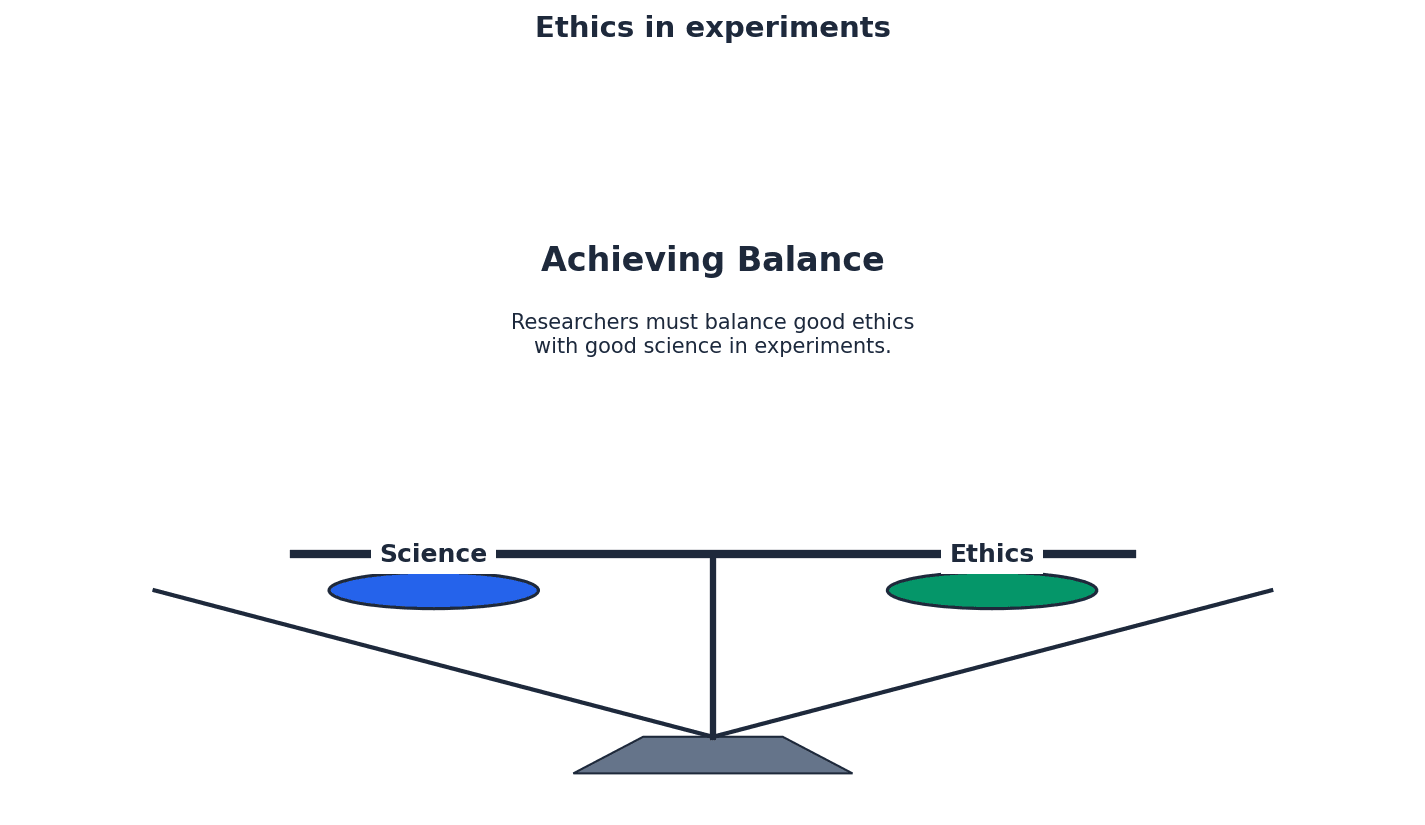
informed consent — knowing enough about a study to decide whether you want to agree to participate.
Participants must be given sufficient information about the study's purpose, procedures, risks, and their rights before agreeing to take part. This ensures their participation is voluntary and ethical. It's like signing a contract after reading and understanding all the terms and conditions.
right to withdraw — a participant should know that they can remove themselves, and their data, from the study at any time.
Participants must be explicitly informed that they are free to leave the study at any point, without penalty, and can also request their data be removed. This protects their autonomy. This is similar to being able to leave a movie theatre if you don't like the film, without having to explain yourself.
privacy — participants’ emotions and physical space should not be invaded, for example they should not be observed in situations or places where they would not expect to be seen.
Researchers must respect participants' personal space and emotional boundaries, ensuring that observations or questions do not intrude on their private lives without explicit consent. This is like not reading someone's diary or listening to their private conversations without their permission.
confidentiality — participants’ results and personal information should be kept safely and not released to anyone outside the study.
Confidentiality ensures that any data collected from participants, especially personal information, is protected and not disclosed to unauthorised individuals. This builds trust and encourages honest participation.
Explain how deception can sometimes be used to manage demand characteristics, but it must be followed by debriefing to ensure ethical practice regarding informed consent.
self-report — a research method, such as a questionnaire or interview, which obtains data by asking participants to provide information about themselves.
Self-reports are direct methods of gathering subjective data from participants about their thoughts, feelings, or behaviours. They rely on individuals' own accounts and can take various forms, such as written questionnaires or verbal interviews.
questionnaire — a research method that uses written questions.
Questionnaires are a common type of self-report where participants respond to a series of written questions. They can be administered in various ways and are useful for collecting data from a large number of people efficiently.
closed questions — questionnaire, interview or test items that produce quantitative data. They have only a few, stated alternative responses and no opportunity to expand on answers.
Closed questions provide a limited set of pre-defined answers, making data collection and analysis straightforward and quantitative. Examples include multiple-choice or rating scale questions.
open questions — questionnaire, interview or test items that produce qualitative data. Participants give full and detailed answers in their own words, i.e. no categories or choices are given.
Open questions allow participants to provide detailed, descriptive answers in their own words, yielding rich qualitative data. This provides deeper insights but can be more challenging to analyse.
inter-rater reliability — the extent to which two researchers interpreting qualitative responses in a questionnaire (or interview) will produce the same records from the same raw data.
This refers to the consistency of interpretation between different observers or researchers when analysing qualitative data. High inter-rater reliability indicates that subjective biases are minimised, and interpretations are consistent.
social desirability bias — trying to present oneself in the best light by determining what a test is asking.
This bias occurs when participants alter their responses to self-report measures to appear more socially acceptable or favourable, rather than giving truthful answers. This can reduce the validity of the data collected.
filler questions — items put into a questionnaire, interview or test to disguise the aim of the study by hiding the important questions among irrelevant ones so that participants are less likely to alter their behaviour by working out the aims.
Filler questions are used to distract participants from the true purpose of a study, reducing the likelihood of demand characteristics. By including irrelevant questions, researchers can mask the specific focus of their investigation.
interview — a research method using verbal questions asked directly, e.g. face-to-face or on the telephone.
Interviews are a form of self-report where researchers verbally ask participants questions. They can range from highly structured to very flexible, allowing for different depths of information gathering.
structured interview — an interview with questions in a fixed order which may be scripted. Consistency might also be required for the interviewer’s posture, voice, etc. so they are standardised.
Structured interviews follow a rigid format with pre-determined questions asked in a specific order, ensuring high consistency and replicability. This standardisation helps to reduce interviewer bias.
unstructured interview — an interview in which most questions (after the first one) depend on the respondent’s answers. A list of topics may be given to the interviewer.
Unstructured interviews are flexible, allowing the interviewer to adapt questions based on the participant's responses, leading to rich, in-depth qualitative data. While providing depth, this approach can be less consistent across participants.
semi-structured interview — an interview with a fixed list of open and closed questions. The interviewer can add more questions if necessary.
Semi-structured interviews combine elements of both structured and unstructured approaches, offering a balance between consistency and flexibility. They typically have a core set of questions but allow for exploration of interesting responses.
subjectivity — a personal viewpoint, which may be biased by one’s feelings, beliefs or experiences, so may differ between individual researchers. It is not independent of the situation.
Subjectivity refers to interpretations or observations that are influenced by personal feelings, beliefs, or experiences. This can lead to bias and a lack of consistency between different researchers.
objectivity — an unbiased external viewpoint that is not affected by an individual’s feelings, beliefs or experiences, so should be consistent between different researchers.
Objectivity refers to an unbiased, factual viewpoint that is not influenced by personal feelings or experiences. Objective observations and interpretations are consistent across different researchers, enhancing reliability.
naturalistic observation — a study conducted by watching the participants’ behaviour in their normal environment without interference from the researchers in either the social or physical environment.
Naturalistic observations involve observing behaviour in its natural setting without any manipulation by the researcher. This method offers high ecological validity as behaviour is observed in a real-world context.
controlled observation — a study conducted by watching the participants’ behaviour in a situation in which the social or physical environment has been manipulated by the researchers. It can be conducted in either the participants’ normal environment or in an artificial situation.
Controlled observations involve some manipulation of the environment by the researcher, allowing for more control over extraneous variables. This can occur in either a natural or artificial setting, balancing ecological validity with control.
unstructured observation — a study in which the observer records the whole range of possible behaviours, which is usually confined to a pilot stage at the beginning of a study to refine the behavioural categories to be observed.
In unstructured observations, the observer records all behaviours they deem relevant, often used in initial stages to identify key behaviours. This approach provides rich, detailed qualitative data but can be challenging to analyse systematically.
structured observation — a study in which the observer records only a limited range of behaviours.
Structured observations involve recording specific, pre-defined behaviours using a systematic approach, often with behavioural categories. This method yields quantitative data and enhances inter-observer reliability.
behavioural categories — the activities recorded in an observation. They should be operationalised (clearly defined) and should break a continuous stream of activity into discrete recordable events. They must be observable actions rather than inferred states.
Behavioural categories are specific, observable actions that researchers define and record during an observation. They must be clearly operationalised to ensure consistency and inter-observer reliability, allowing for systematic data collection.
inter-observer reliability — the consistency between two researchers watching the same event, i.e. whether they will produce the same records.
Inter-observer reliability assesses the agreement between two or more observers recording the same behaviour. High agreement indicates that the behavioural categories are well-defined and consistently applied, increasing the reliability of the observation.
participant observer — a researcher who watches from the perspective of being part of the social setting.
A participant observer actively engages in the group or situation being studied, gaining an insider's perspective. This can provide rich, qualitative data but risks observer bias and ethical challenges regarding informed consent.
non-participant observer — a researcher who does not become involved in the situation being studied, e.g. by watching through one-way glass or by keeping apart from the social group of the participants.
A non-participant observer remains separate from the observed group, maintaining objectivity and reducing the risk of influencing participants' behaviour. This approach often yields more objective data but may lack the depth of insight gained from participation.
overt observer — the role of the observer is obvious to the participants.
In overt observation, participants are aware that they are being observed. While this is ethically sound, it can lead to demand characteristics as participants may alter their behaviour due to being watched.
covert observer — the role of the observer is not obvious, e.g. because they are hidden or disguised.
In covert observation, participants are unaware they are being observed, which reduces demand characteristics and increases the naturalness of behaviour. However, this raises significant ethical concerns regarding informed consent and privacy.
correlation — a research method which looks for a causal relationship between two measured variables. A change in one variable is related to a change in the other (although these changes cannot be assumed to be causal).
Correlations investigate the relationship between two measured variables, determining if changes in one are associated with changes in the other. However, it is crucial to remember that correlation does not imply causation; a third variable could be responsible for the observed relationship.
Students often confuse correlation with causation. Remember that if two variables are correlated, one does not necessarily cause the other; a third variable could be responsible.
positive correlation — a relationship between two variables in which an increase in one accompanies an increase in the other, i.e. the two variables increase together.
A positive correlation indicates that as one variable increases, the other variable also tends to increase. For example, a positive correlation might exist between hours of study and exam scores.
negative correlation — a relationship between two variables in which an increase in one accompanies a decrease in the other, i.e. higher scores on one variable correspond with lower scores on the other.
A negative correlation indicates that as one variable increases, the other variable tends to decrease. For instance, a negative correlation might be found between the number of hours spent watching TV and academic performance.
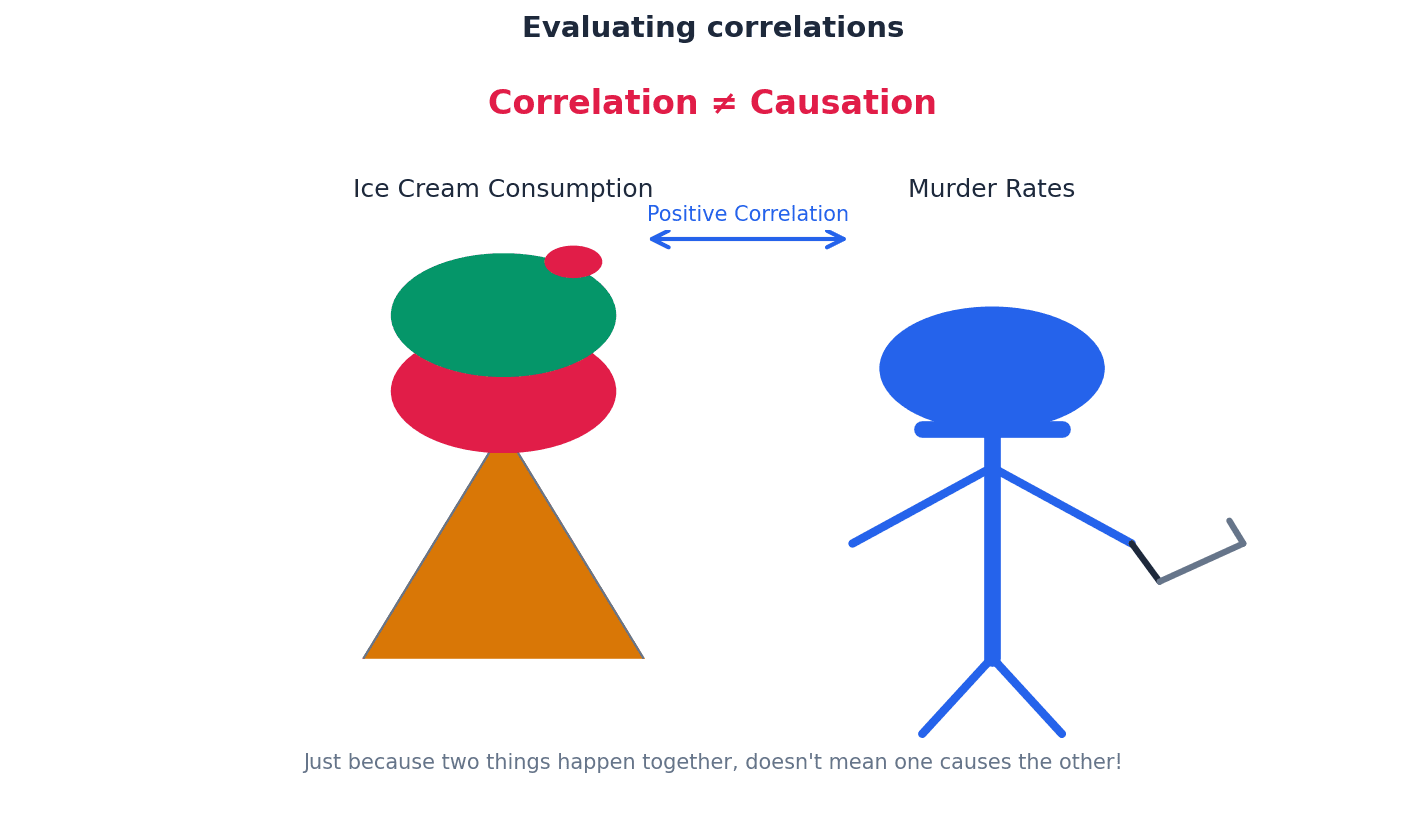
Psychological research begins with clearly defined aims and hypotheses. An aim states the general purpose of the study, while a hypothesis is a testable statement predicting the outcome. Hypotheses can be directional (predicting a specific outcome), non-directional (predicting a difference or relationship without specifying direction), or null (predicting no difference or relationship).
hypothesis — a testable statement predicting a difference between levels of the independent variable (in an experiment) or a relationship between variables (in a correlation).
A hypothesis is a precise, testable prediction about the outcome of a study. It guides the research and specifies what the researcher expects to find regarding the relationship between variables or differences between conditions.
alternative hypothesis — the testable statement which predicts a difference or relationship between variables in a particular investigation.
The alternative hypothesis is the primary prediction of the researcher, stating that there will be a significant difference or relationship between the variables being studied. It is the opposite of the null hypothesis.
non-directional (two-tailed) hypothesis — a statement predicting only that one variable will be related to another, e.g. that there will be a difference in the DV between levels of the IV in an experiment or that there will be a relationship between the measured variables in a correlation.
A non-directional hypothesis predicts that there will be a difference or relationship between variables, but it does not specify the direction of that difference or relationship. For example, 'There will be a difference in memory recall between participants who listen to music and those who do not'.
directional (one-tailed) hypothesis — a statement predicting the direction of a relationship between variables, e.g. in an experiment whether the levels of the IV will produce an increase or a decrease in the DV or in a correlation whether an increase in one variable will be linked to an increase or a decrease in another variable.
A directional hypothesis predicts the specific direction of the difference or relationship between variables. For example, 'Participants who listen to music will have lower memory recall scores than those who do not listen to music'.
null hypothesis — a testable statement saying that any difference or correlation in the results is due to chance, i.e. that no pattern in the results has arisen because of the variables being studied.
The null hypothesis states that there will be no significant difference or relationship between the variables, and any observed patterns are due to chance. Researchers aim to disprove the null hypothesis to support their alternative hypothesis.
operationalisation — the definition of variables so that they can be accurately manipulated, measured or quantified and replicated. This includes the IV and DV in experiments and the two measured variables in correlations.
Operationalisation involves precisely defining how variables will be manipulated or measured in a study. This ensures clarity, replicability, and allows for objective data collection. For example, 'attention' might be operationalised as 'number of correct responses on a computerised task'.
Students often provide vague operationalisation of variables. Remember to specify exactly how variables will be manipulated or measured (e.g., 'happiness' defined as 'score on a 1-10 happiness scale').
Clearly define and operationalise IVs and DVs in your hypotheses to show a clear understanding of experimental design.
situational variable — a confounding variable caused by an aspect of the environment, e.g. the amount of light or noise.
Situational variables are environmental factors that could influence the dependent variable, potentially confounding the results if not controlled. Examples include temperature, lighting, or noise levels in the experimental setting.
control — a way to keep a potential extraneous variable constant, e.g. between levels of the IV, to ensure measured differences in the DV are likely to be due to the IV, raising validity.
Controls are measures taken to minimise the influence of extraneous variables, ensuring that any observed changes in the dependent variable are genuinely due to the independent variable. This enhances the internal validity of the study.
The process of selecting participants for a study from a larger population is known as sampling. The chosen sampling technique significantly impacts the generalisability of the findings. Different methods, such as opportunity, volunteer, and random sampling, each have their own strengths and weaknesses regarding representativeness.
population — the group, sharing one or more characteristics, from which a sample is drawn.
The population refers to the entire group of individuals that a researcher is interested in studying and to whom the findings are intended to apply. It is the broader group from which a sample is selected.
sample — the group of people selected to represent the population in a study.
A sample is a smaller, manageable group of individuals chosen from the population to participate in a research study. The goal is for the sample to be representative of the population so that findings can be generalised.
sampling technique — the method used to obtain the participants for a study from the population.
Sampling techniques are the specific procedures used to select participants from a population. The choice of technique influences how representative the sample is and, consequently, the generalisability of the study's results.
opportunity sample — participants are chosen because they are available, e.g. university students are selected because they are present at the university where the research is taking place.
Opportunity sampling involves selecting participants who are readily available and convenient to the researcher. While easy to implement, this method often leads to unrepresentative samples, limiting generalisability.
volunteer (self-selected) sample — participants are invited to participate, e.g. through advertisements via email or notices. Those who reply become the sample.
Volunteer sampling involves participants choosing to take part in a study, often in response to an advertisement. This can lead to a biased sample as volunteers may share certain characteristics, affecting generalisability.
random sample — all members of the population (i.e. possible participants) are allocated numbers and a fixed amount of these are selected in a unbiased way, e.g. by taking numbers from a hat.
Random sampling ensures that every member of the target population has an equal chance of being selected for the sample. This method aims to create a highly representative sample, thereby increasing the generalisability of the findings.
After collecting data, psychologists analyse it to draw conclusions. Data can be quantitative (numerical) or qualitative (descriptive). Analysis involves using measures of central tendency (mean, median, mode) to find typical scores and measures of spread (range, standard deviation) to understand data variation.
quantitative data — numerical results about the quantity of a psychological measure such as pulse rate or a score on an intelligence test.
Quantitative data consists of numerical information that can be measured and expressed in numbers. This type of data is objective and can be statistically analysed, allowing for precise comparisons and conclusions.
qualitative data — descriptive, in-depth results indicating the quality of a psychological characteristic, such as responses to open questions in self-reports or case studies and detailed observations.
Qualitative data is descriptive and non-numerical, providing rich, in-depth insights into psychological phenomena. It often comes from open-ended questions, interviews, or detailed observations, offering a deeper understanding of experiences.
measure of central tendency — a mathematical way to find the typical or average score from a data set, using the mode, median or mean.
Measures of central tendency provide a single value that represents the centre or typical value of a data set. The mode, median, and mean are commonly used to summarise data and give an idea of the 'average' score.
mode — the measure of central tendency that identifies the most frequent score(s) in a data set.
The mode is the value that appears most frequently in a data set. It is useful for categorical data and can sometimes have multiple values if several scores share the highest frequency.
median — the measure of central tendency that identifies the middle score of a data set which is in rank order (smallest to largest). If there are two numbers in the middle they are added together and divided by two.
The median is the middle value in a data set when the scores are arranged in ascending or descending order. It is less affected by extreme outliers than the mean, making it a robust measure for skewed data.
mean — the measure of central tendency calculated by adding up all the scores and dividing by the number of scores in the data set.
The mean is the arithmetic average of all scores in a data set. It is the most commonly used measure of central tendency but can be influenced by extreme values (outliers).
measure of spread — a mathematical way to describe the variation or dispersion within a data set.
Measures of spread, also known as measures of dispersion, indicate how much the scores in a data set vary from each other or from the central tendency. The range and standard deviation are common examples.
range — the difference between the biggest and smallest values in the data set plus one (a measure of spread).
The range is the simplest measure of spread, calculated by subtracting the lowest score from the highest score and adding one (for continuous data). It provides a quick indication of the total spread of data.
Students often forget to add 'plus one' in range calculation. In psychology, the range is calculated as (highest score - lowest score) + 1 to account for continuous scales.
standard deviation — a calculation of the average difference between each score in the data set and the mean. Bigger values indicate greater variation (a measure of spread).
Standard deviation is a sophisticated measure of spread that quantifies the average amount of variation or dispersion of individual data points around the mean. A smaller standard deviation indicates that data points are clustered closely around the mean, while a larger one suggests greater variability.
Standard Deviation
Used to calculate the average difference between each score and the mean. A larger value indicates greater variation in the data set. The deviation 'd' can sometimes be used in place of (x - \bar{x}).
When evaluating research methods, always provide both strengths and weaknesses, linking them to validity, reliability, and generalisability.
For 'apply' questions, use specific details from the novel research situation to illustrate your points about methods, ethics, or variables.
Use appropriate terminology (e.g., 'extraneous variable', 'demand characteristics', 'counterbalancing') accurately to demonstrate expert knowledge.
Advantages & Disadvantages
Laboratory Experiments
Field Experiments
Evaluation Starters
Essay Structure Guide
Introduction
Start by briefly introducing the research method in question and its primary purpose (e.g., experiments aim to establish cause-and-effect). State your main argument or the key areas you will evaluate.
Conclusion
Summarise your main arguments regarding the strengths and weaknesses of the research method. Offer a final, balanced judgment on its overall utility or appropriateness for different research questions. You might suggest when this method is most suitable or how its limitations can be mitigated.
The biological approach posits that emotions, behaviour, and cognition are rooted in biological systems and can be studied through physiological measures. This chapter explores how brain structures, sleep stages, and physiological arousal interact with cognitive factors to influence our experiences, using core studies by Canli et al., Dement and Kleitman, and Schachter and Singer.
physiological — to do with the biological processes in the body, for example hormones.
Physiological refers to the normal functions of living organisms and their parts, encompassing biological processes like heart rate, hormone release, and brain activity. In psychology, it links bodily states to mental experiences, much like a car's engine and its various systems (fuel, cooling, electrical) are constantly working to keep the body functioning.
nervous system — the brain, spinal cord and all the nerve cells in the body that communicate to control our thinking, behaviour and emotions.
The nervous system is the body's command centre, processing sensory information, coordinating voluntary and involuntary actions, and enabling complex cognitive functions and emotional responses. It's divided into the central and peripheral nervous systems, acting like the internet of your body, a vast network of wires (nerves) and servers (brain, spinal cord) that transmit information instantly.
hormones — chemicals that are released from glands and travel around the body in the blood to communicate messages between organs.
Hormones are chemical messengers that regulate various bodily functions, including growth, metabolism, mood, and emotional responses. They are part of the endocrine system and work alongside the nervous system to control behaviour and physiology, much like 'slow mail' messages that travel through the bloodstream to specific 'addresses' (target organs) to deliver instructions.
genes — inherited instructions that are passed on from parents to children that control our development and influence some aspects of our thinking, behaviour and emotions, such as our personality and intelligence.
Genes are the blueprints for our biological makeup, affecting everything from brain function to hormone production. They are fundamental to the 'nature' side of the nature-nurture debate, shaping our predispositions, much like a recipe book passed down through a family containing instructions for making different dishes (traits).
Students often think genes solely determine behaviour, but actually they interact with environmental factors (nurture) to shape our traits and responses.
When discussing genetic influences, avoid deterministic language; instead, use phrases like 'influence some aspects' or 'predispose individuals' to acknowledge the role of environment.
evolution — the process of natural selection of offspring which have inherited characteristics that make them most likely to survive.
Evolution explains how biological traits, like the 'fight or flight' response, develop over generations because they enhance survival. These traits are passed down through genes, influencing our physiology and behaviour, much like a game where only players with certain skills (like speed or camouflage) survive each round, passing on those skills.
Students often think evolution means individuals change during their lifetime, but actually it refers to changes in populations over many generations through natural selection.
The biological approach asserts that emotions, behaviour, and cognition are fundamentally controlled by biological systems within the body. This perspective suggests that psychological phenomena can be investigated and understood through physiological measures, such as brain activity, hormone levels, and genetic predispositions. It often employs scientific methods like fMRI and EEG to explore these biological underpinnings.
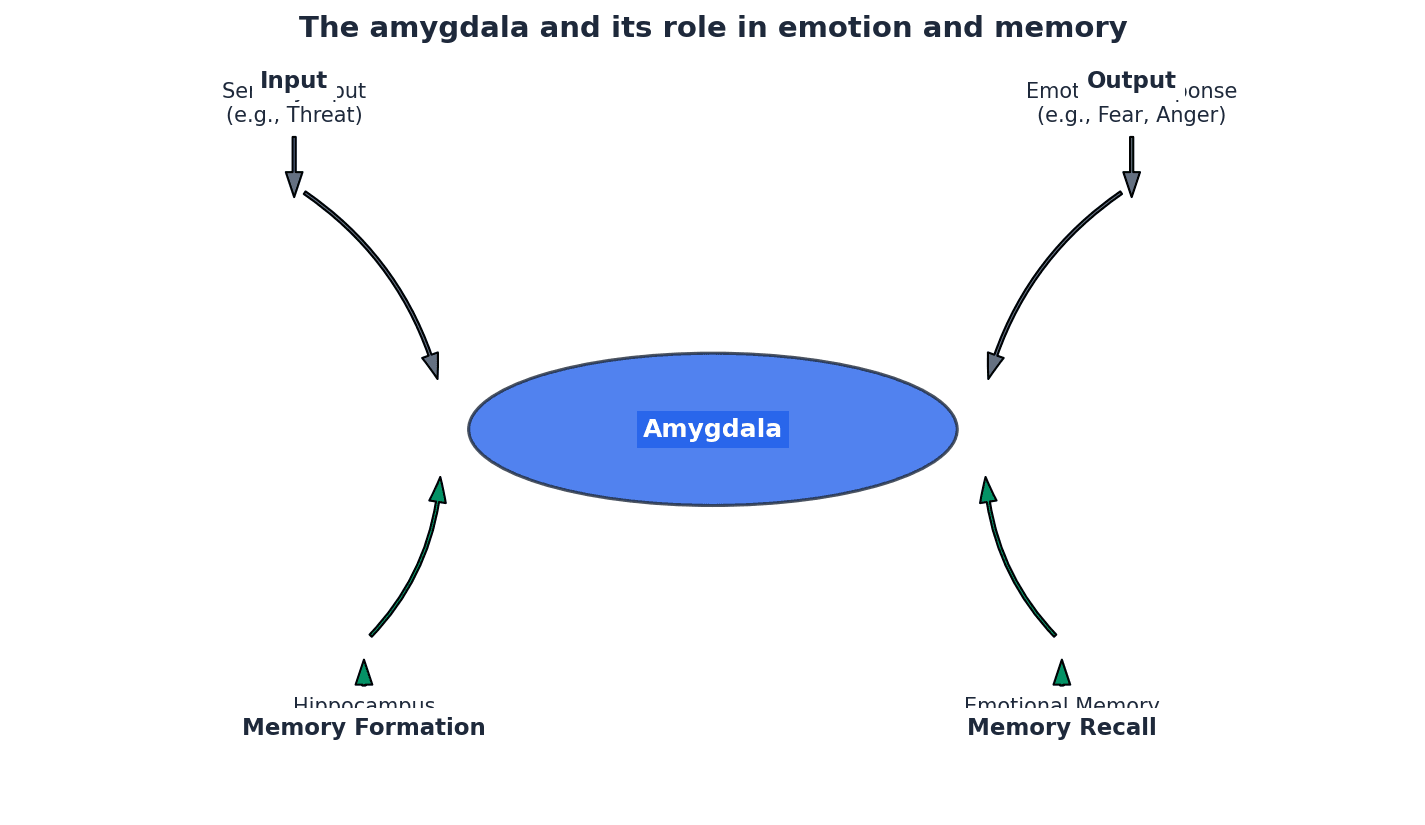
Canli et al. (2000) investigated the role of the amygdala, a brain structure, in memory for emotional experiences. Using fMRI, they measured amygdala activation while participants viewed emotional images. The study aimed to determine if the amygdala's activity correlated with the intensity of emotional experiences and subsequent memory recall, particularly for images with high emotional valence.
valence — when discussing emotions this refers to the attractiveness (positive valence) or aversiveness (negative valence) of an event, object or situation.
Valence describes the intrinsic pleasantness or unpleasantness of an emotional stimulus. Positive valence stimuli evoke feelings like joy, while negative valence stimuli evoke feelings like fear or sadness. It's a key dimension in emotional experience, much like a 'like' or 'dislike' button for every experience.
Students often think valence is the same as arousal, but actually valence is about the pleasantness/unpleasantness, while arousal is about the intensity or activation level.
foil — an unknown or unseen object that is used as a control when testing a participant’s memory.
Foils are distractors in a recognition memory test, presented alongside previously seen items. They help assess whether participants genuinely remember an item or are just guessing, thus improving the validity of memory measures, much like innocent people included in a police lineup to ensure identification is based on actual memory.
Explain the purpose of foils in memory research: to control for guessing and provide a more accurate measure of recognition memory, distinguishing true recall from familiarity bias.
correlation coefficient — a number between –1 and 1 which shows the strength of a relationship between two variables with a coefficient of –1 meaning there is a perfect negative correlation and a coefficient of 1 meaning there is a perfect positive correlation.
A correlation coefficient quantifies the direction and strength of a linear relationship between two variables. A value near 0 indicates a weak or no linear relationship, while values closer to -1 or 1 indicate strong negative or positive relationships, respectively, acting like a 'relationship meter' for two things.
Students often confuse correlation with causation, especially when interpreting findings from studies like Canli et al. or Dement and Kleitman. Remember that correlation only indicates an association; one variable changing doesn't necessarily cause the other to change.
When interpreting correlation coefficients, state both the direction (positive/negative) and strength (weak/moderate/strong) of the relationship, and explicitly avoid making causal claims.
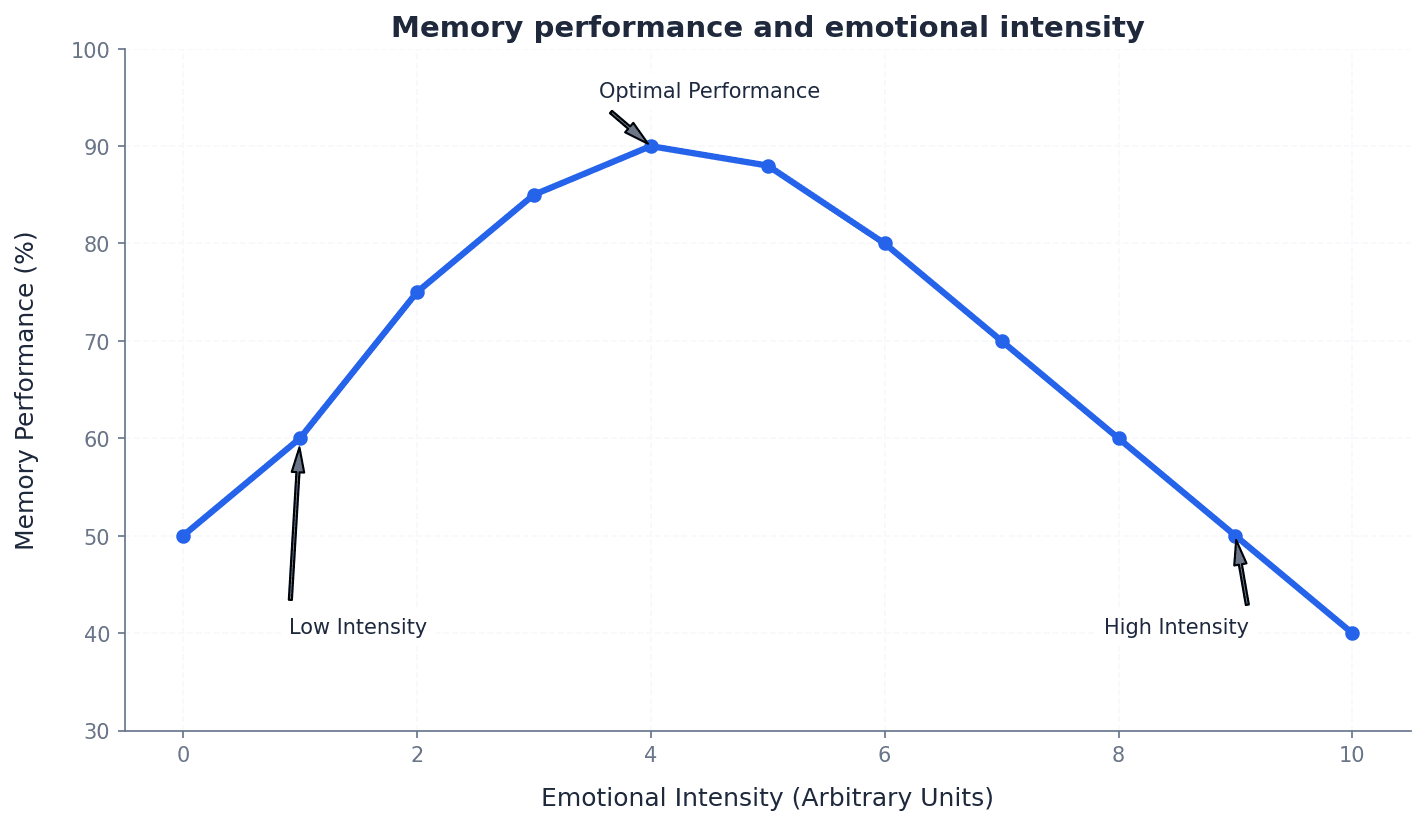
Dement and Kleitman (1957) conducted a pioneering study into the relationship between sleep stages, eye movements, and dream content. They used an electroencephalograph (EEG) to objectively measure brain activity and eye movements during sleep, aiming to establish physiological correlates of dreaming. Their findings provided crucial insights into the nature of rapid eye movement (REM) and non-rapid eye movement (nREM) sleep.
electroencephalograph (EEG) — a machine used to detect and record electrical activity in nerve and muscle cells when many are active at the same time.
An EEG uses electrodes placed on the scalp to measure brain waves (frequency and amplitude of electrical activity), providing an objective physiological measure of sleep stages and brain activity. It can also detect eye movements (EOG), much like a 'brain microphone' that listens to the electrical chatter of millions of brain cells.
When discussing EEG, highlight its objectivity and ability to provide quantitative data (frequency, amplitude) about brain activity and eye movements, making it a scientific tool for studying sleep.
frequency — the number of events per fixed period of time, e.g. the number of eye movements per minute (approximately 60/minute in REM sleep) or the number of brain waves (cycles) per second or Hertz (Hz), e.g. 13–30 Hz for beta waves.
In the context of EEG, frequency refers to how many brain waves or cycles occur per second, indicating different states of arousal or sleep. Higher frequencies (e.g., beta waves) are associated with wakefulness, while lower frequencies (e.g., delta waves) are seen in deep sleep, similar to the tempo of music.
Students often think frequency is the same as amplitude, but actually frequency is how often a wave repeats, while amplitude is its height or intensity.
amplitude — the ‘height’ of waves, e.g. on an EEG (indicating voltage).
Amplitude on an EEG reflects the voltage or intensity of the electrical activity in the brain. High amplitude waves indicate synchronous activity of many neurons, often seen in deep sleep, while low amplitude waves suggest more desynchronised activity, typical of wakefulness or REM sleep, much like the 'loudness' of the brain's electrical signal.
When describing EEG findings, differentiate between frequency and amplitude, explaining how both contribute to identifying distinct sleep stages and brain states.
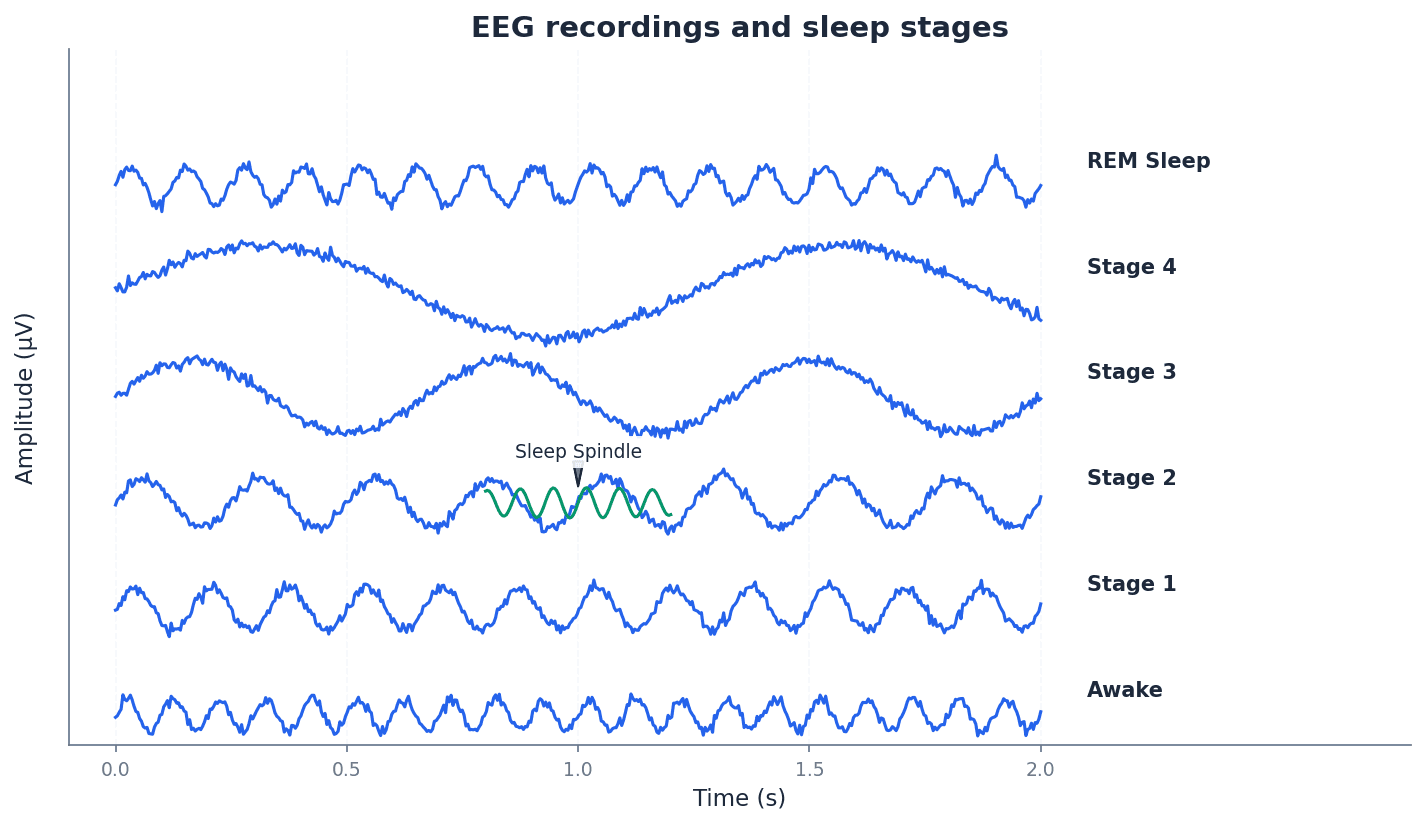
rapid eye movement sleep (REM) — a stage of sleep in which our eyes move rapidly under the lids, which is associated with vivid, visual dreams.
REM sleep is a distinct phase of the sleep cycle characterised by high brain activity, muscle paralysis (except for eye muscles), and vivid dreaming. It typically occurs in cycles throughout the night, becoming longer towards morning, much like the 'movie theatre' of your brain where vivid stories play out.
non-rapid eye movement sleep (nREM) — the stages of sleep (1 to 4) in which our eyes are still.
nREM sleep, also known as quiescent sleep, comprises four stages of progressively deeper sleep where eye movements are minimal. It is generally not associated with vivid dreaming, though some dream recall can occur, much like the 'maintenance mode' for your brain and body where deep rest and repair happen.
Students may assume that all dreaming occurs exclusively during REM sleep, overlooking the possibility of less vivid dream recall from nREM stages.
When describing REM sleep, mention both the physiological characteristics (rapid eye movements, muscle paralysis) and its association with vivid, visual dreams, as demonstrated by Dement and Kleitman.
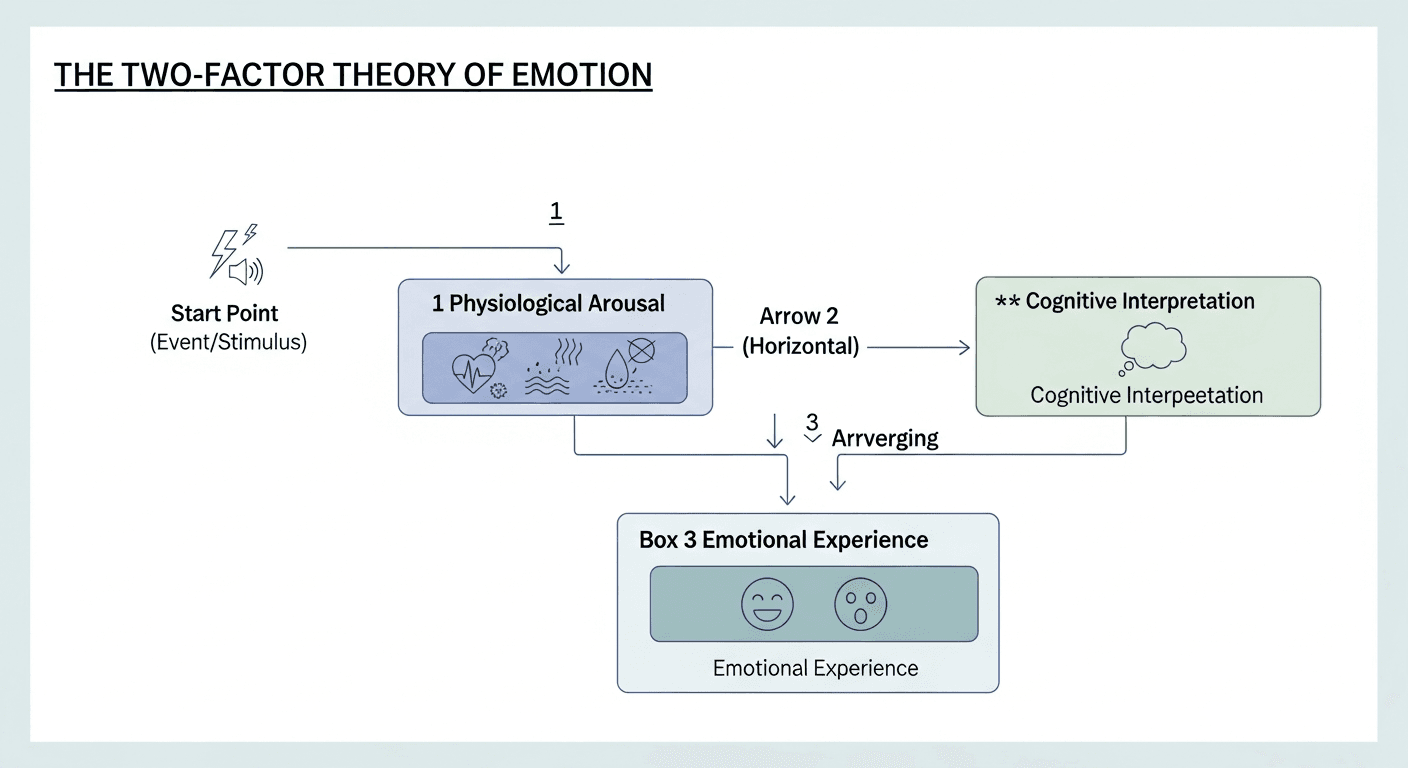
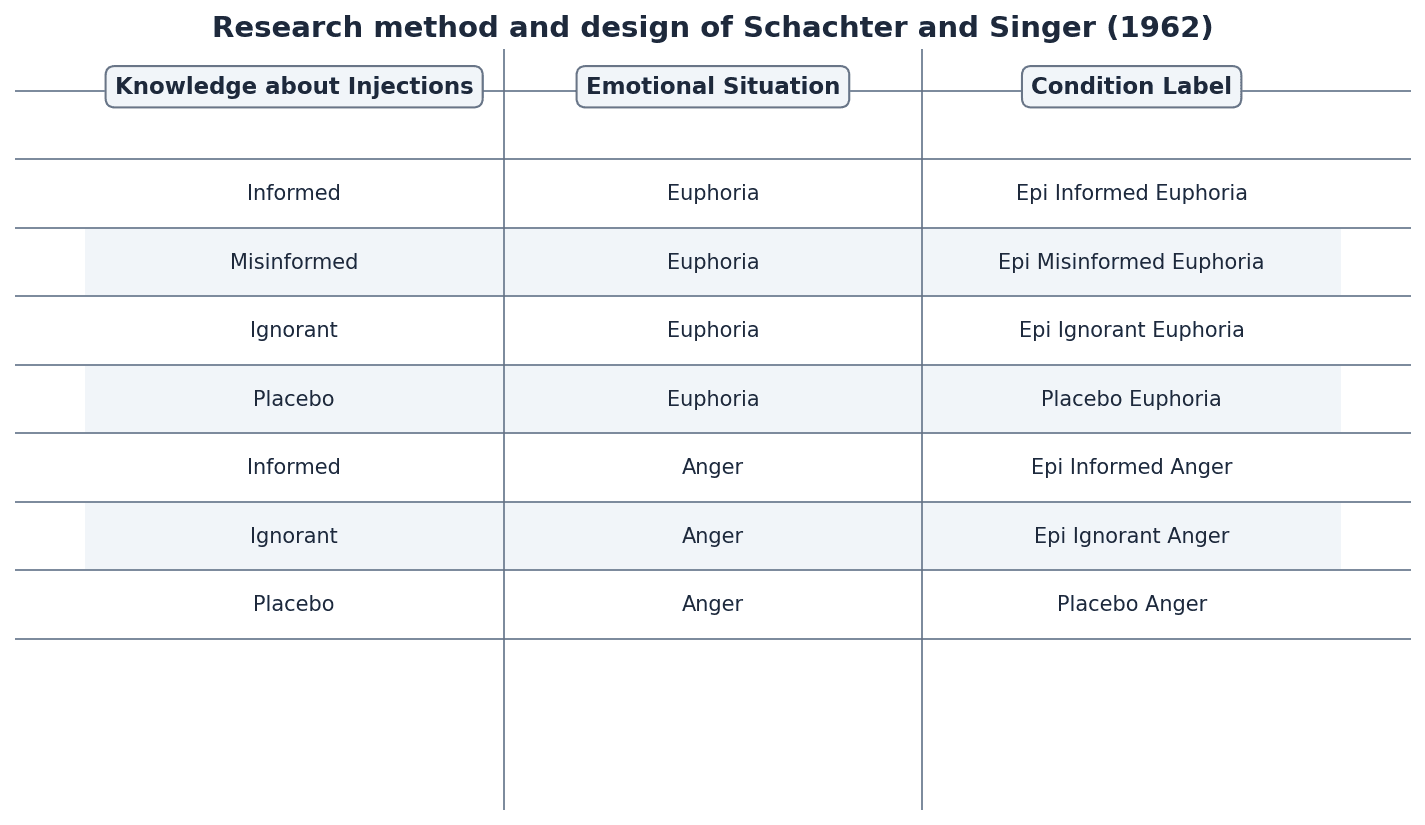
Schachter and Singer (1962) proposed the Two-Factor Theory of Emotion, suggesting that emotion arises from a combination of physiological arousal and a cognitive interpretation of that arousal. Their experiment aimed to demonstrate that the same physiological state could be experienced as different emotions depending on the cognitive label applied to it, often influenced by the surrounding situation.
adrenalin — a hormone released from the adrenal glands in response to stress or excitement.
Adrenalin (epinephrine) is a key hormone in the 'fight or flight' response, increasing heart rate, blood pressure, and glucose levels to prepare the body for immediate action. It plays a significant role in intense emotional experiences like fear or anger, acting like a 'turbo boost' button for your body.
When explaining adrenalin's role, describe its physiological effects (e.g., increased pulse, shakiness) and how these contribute to the experience of strong emotions, as seen in Schachter and Singer.
sympathetic arousal — when we are exposed to a stressful situation, the sympathetic nervous system becomes aroused causing the pupils to dilate, an increase in heart rate, digestive activity is inhibited and glucose is released by the liver for extra energy needed to prepare the body to respond to alarm or stress.
Sympathetic arousal is the body's physiological response to perceived threats or stress, preparing it for 'fight or flight'. This automatic response involves a cascade of bodily changes mediated by the sympathetic nervous system and hormones like adrenalin, much like your body's 'emergency mode' kicking in.
Students often think sympathetic arousal is always negative, but actually it's a natural adaptive response that can also occur during excitement or intense focus, not just fear.
placebo — a pill or injection given which the patient or participant believes is a drug but which, in reality, has no effect.
Placebos are used in research to control for the psychological effects of expectation. By comparing a treatment group to a placebo group, researchers can determine if the observed effects are due to the active treatment or simply the belief in receiving treatment, much like a child feeling better from a 'magic' sticker.
Explain the purpose of a placebo group as a control condition to isolate the psychological effects of expectation from the physiological effects of the actual substance, as demonstrated in Schachter and Singer.
stooge — a person who appears to be another participant or someone not related to the study, but who is in fact working on behalf of the researcher.
Stooges (or confederates) are used in experiments to manipulate social situations or participant perceptions without revealing the true aims of the study. Their scripted behaviour helps standardise the experimental conditions, much like a hidden actor in a prank video.
When discussing stooges, explain their role in creating specific social or emotional contexts and how their use can raise ethical concerns regarding deception, as in Schachter and Singer.
internal validity — how well an experiment controls for confounding variables.
High internal validity means the researcher is confident that only the independent variable is affecting the dependent variable, with minimal impact from other factors. This is crucial for establishing cause-and-effect relationships, much like ensuring only fertiliser, not sunlight, is changed when testing plant growth.
Students often think internal validity is about generalisability, but actually it's about whether the observed effect is truly due to the manipulated variable within the study's context.
To demonstrate understanding, explain how specific controls in a study (e.g., standardised procedures, random allocation) enhance internal validity by reducing confounding variables.
demand characteristics — features of the experimental situation which give away the aims.
Demand characteristics can cause participants to alter their behaviour to align with what they believe the experimenter expects, thereby reducing the validity of the study. Researchers use various controls, like deception or double-blind techniques, to minimise them, much like a student accidentally seeing an answer key and trying to give the 'right' answers.
Students often think demand characteristics only lead to participants trying to please the experimenter, but actually they can also lead to participants trying to sabotage the experiment or act 'normally'.
double blind technique — when both the participant and the researcher are unaware of which condition the participant is in to prevent demand characteristics and act as a control to improve the validity of any data collected.
The double-blind technique is a rigorous control method where neither the participants nor the experimenters interacting with them know who is in the experimental group and who is in the control group. This prevents both participant bias (demand characteristics) and experimenter bias, much like a taste test where neither the giver nor the taster knows which sample is new.
Explain how the double-blind technique enhances validity by controlling for both demand characteristics (from participants) and experimenter effects (from researchers), making the results more trustworthy.
reliability — the extent to which a procedure, task or measure is consistent, for example that it would produce the same results we the same people on each occasion.
Reliability refers to the consistency of a measure. A reliable measure produces similar results under consistent conditions, ensuring that any observed changes are due to the independent variable rather than measurement error. Objective measures like EEG tend to be highly reliable, much like a reliable measuring tape that gives the same length every time.
Students often think reliability is the same as validity, but actually a measure can be reliable (consistent) without being valid (measuring what it's supposed to).
When evaluating studies, always discuss both strengths (e.g., high control in labs) and weaknesses (e.g., low ecological validity, ethical issues).
For core studies, ensure you can describe the aim, method (including design, sample, procedure), results, and conclusions accurately.
When asked to 'explain' a theory (e.g., Two-Factor Theory), break it down into its components and use evidence from the core study to support each part.
Advantages & Disadvantages
Laboratory Experiments (e.g., Schachter & Singer)
Correlational Studies (e.g., Canli et al.)
Evaluation Starters
Essay Structure Guide
Introduction
Begin by defining the biological approach, stating its main assumptions (emotions, behaviour, cognition controlled by biological systems, investigated physiologically). Briefly introduce the core studies that will be used as evidence.
Conclusion
Summarise the main arguments, reiterating the core assumptions of the biological approach and its contributions to understanding psychology. Briefly mention its applications and acknowledge its strengths while also noting its limitations or areas where it needs to be integrated with other approaches.
The cognitive approach explains behaviour and emotions through internal mental processes like attention, language, thinking, and memory. This chapter explores how these cognitive processes influence behaviour, using scientific procedures, and examines relevant issues and debates through three core studies.
attention — The concentration of mental effort on a particular stimulus.
Attention can be focused, meaning concentrating on one specific input, or divided, meaning splitting mental effort between multiple tasks. It is a crucial cognitive process that determines what information is processed and remembered, much like a spotlight illuminating specific areas while leaving others in the dark.
focused attention — The picking out of a particular input from a mass of information, such as an array or a continuous stream, for example, concentrating on your teacher’s voice even when there is building work outside and the student next to you is whispering.
Focused attention is essential for selectively processing relevant information and ignoring distractions. It allows for deeper processing of the chosen stimulus, which can improve memory and understanding, similar to using noise-cancelling headphones to hear only the desired music.
Students often think focused attention means ignoring everything else completely, but actually it's more about prioritizing and allocating cognitive resources to one stimulus, while other stimuli might still be minimally processed.
When discussing focused attention, emphasize the active selection of a stimulus and the filtering out of irrelevant information, providing examples of how this improves task performance.
divided attention — The ability to split mental effort between two or more simultaneous tasks (called ‘dual tasks’), for example, driving a car and talking to a passenger.
Divided attention is easier when the tasks are simple, well-practised, and automatic, as they require fewer cognitive resources. When tasks are complex or novel, dividing attention can lead to reduced performance on one or both tasks, much like trying to juggle two heavy balls at once when you're new to juggling.
Students often think people can perfectly multitask, but actually divided attention often means a reduction in performance on at least one task, especially if tasks are demanding or use the same cognitive resources.
When applying divided attention, provide clear examples of dual tasks and explain how task difficulty or practice affects the ability to split mental effort, referencing the concept of cognitive resources.
daydreaming — A mildly altered state of consciousness in which we experience a sense of being ‘lost in our thoughts’, typically positive ones, and a detachment from our environment.
Daydreaming is linked to high arousal when bored and uses important cognitive processing resources, particularly the central executive of working memory. This can inhibit performance on primary tasks requiring those resources, much like a busy manager getting distracted by personal thoughts and neglecting main work tasks.
Students often think daydreaming is always a sign of low arousal or disengagement, but actually it can be a response to boredom (high arousal) and actively consumes cognitive resources, potentially hindering performance.
working memory model — This model of memory suggests that two different types of current or ‘working’ memory can be used at the same time, one is visuo-spatial and the other auditory.
These two components (visuo-spatial sketchpad and phonological loop) are governed by an overall ‘central executive’ which allocates attention and coordinates information. This model helps explain how we can process different types of information concurrently, like a mental workbench with specialized areas for visual and sound tasks, directed by a foreman.
Students often think working memory is just short-term memory, but actually the working memory model is a more complex, active system that not only stores but also manipulates information, with distinct components for different modalities.
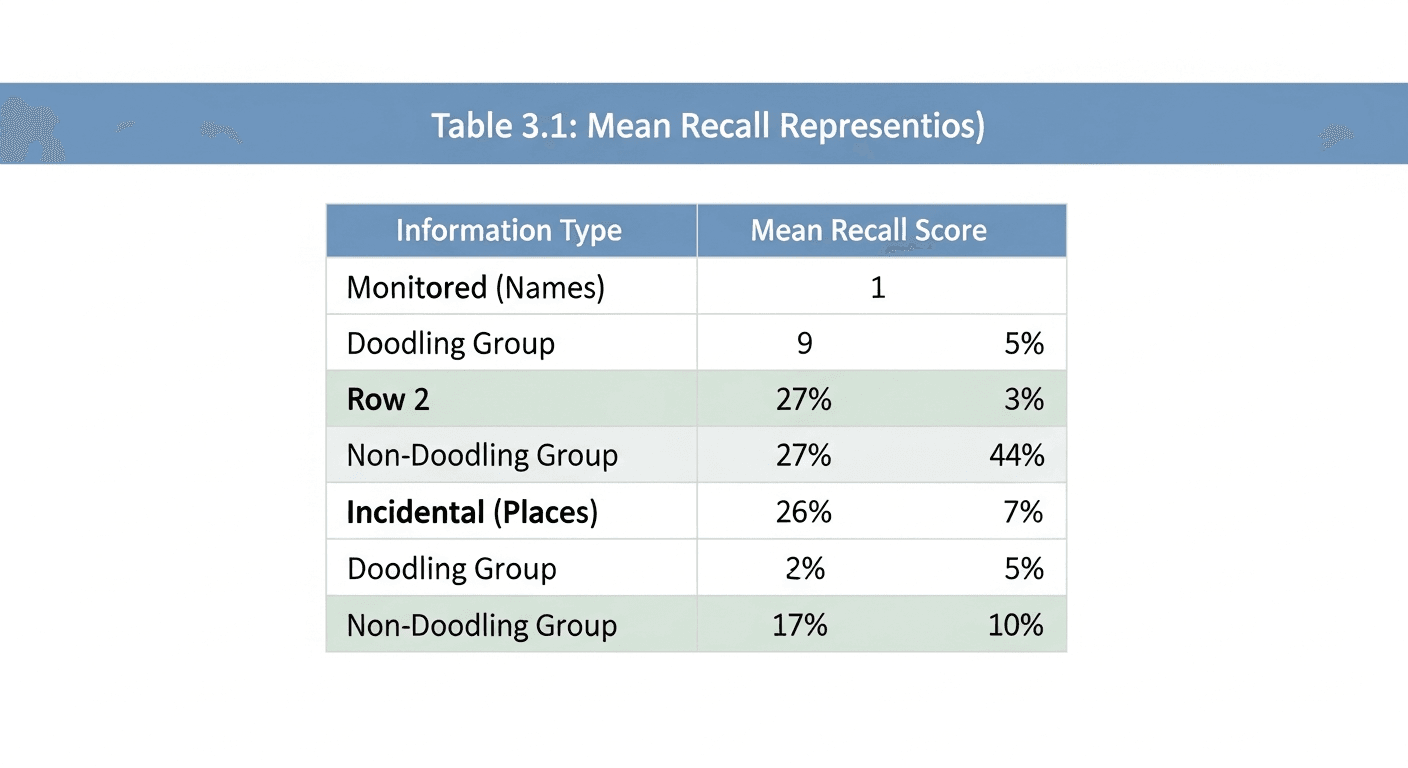
When explaining the working memory model, mention the central executive and at least one of the specialized stores (visuo-spatial or auditory) and how they interact, particularly in dual-task scenarios like doodling while listening.
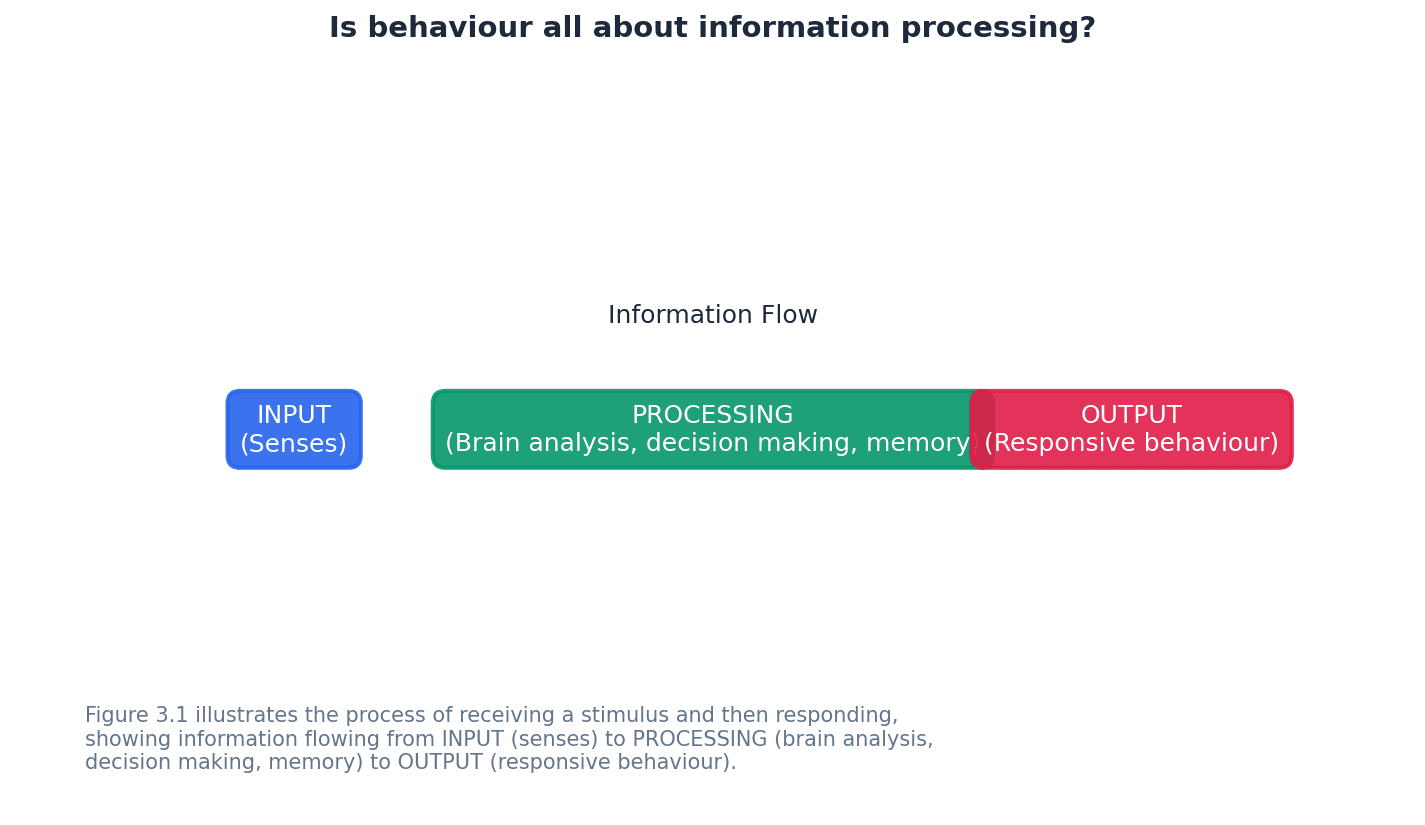
The cognitive approach in psychology posits that behaviour and emotions are best understood through the lens of internal cognitive processes. These processes include attention, language, thinking, and memory. The approach views the mind as an information processor, much like a computer, where sensory input is processed, stored, and retrieved, ultimately influencing how an individual acts and feels.
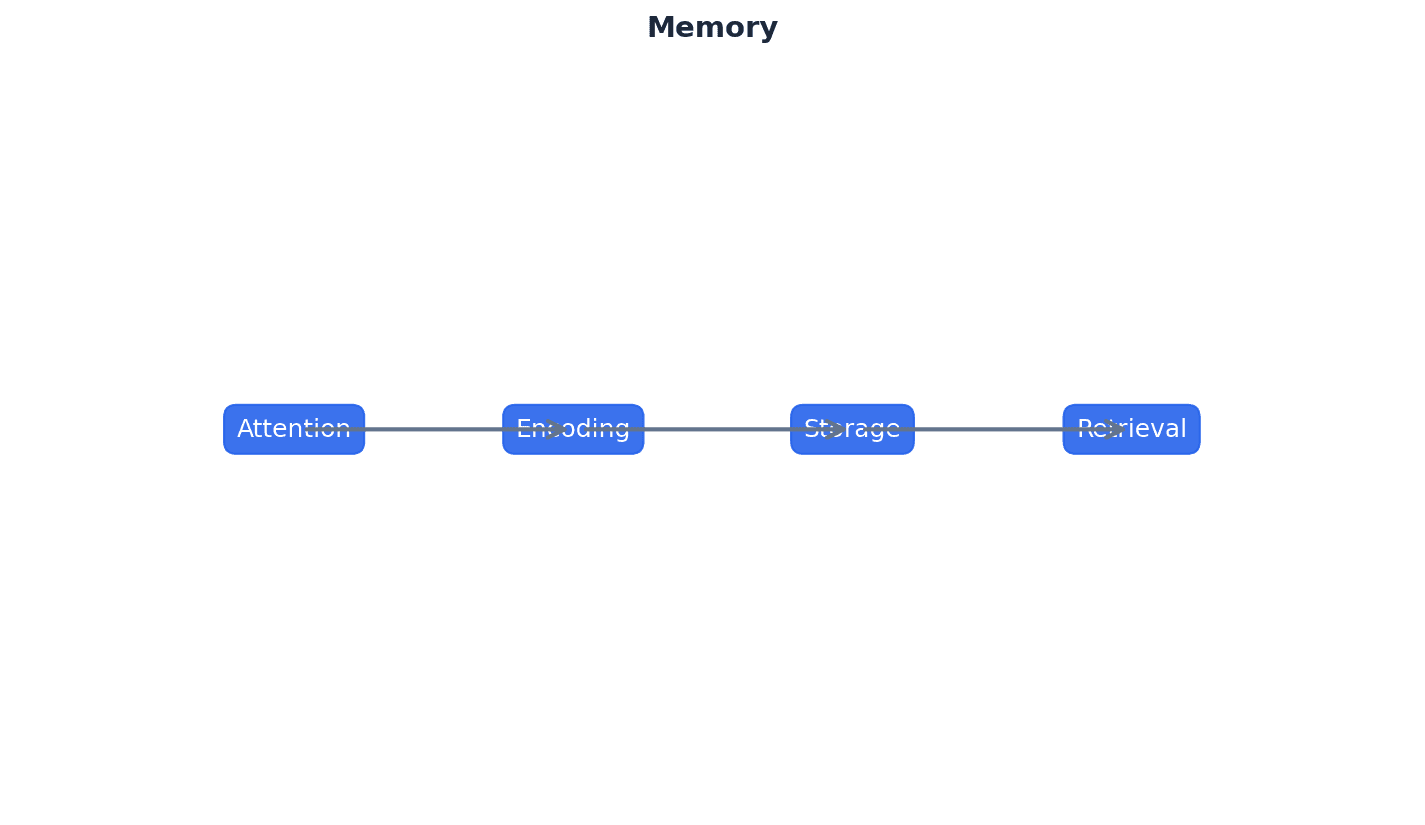
Memory is a fundamental cognitive process that allows us to encode, store, and retrieve information. It is not a single entity but comprises different systems, such as working memory, which actively manipulates information. How we remember past events, learn new skills, or even form false memories significantly impacts our beliefs, preferences, and subsequent behaviour, as demonstrated in studies like Laney et al.
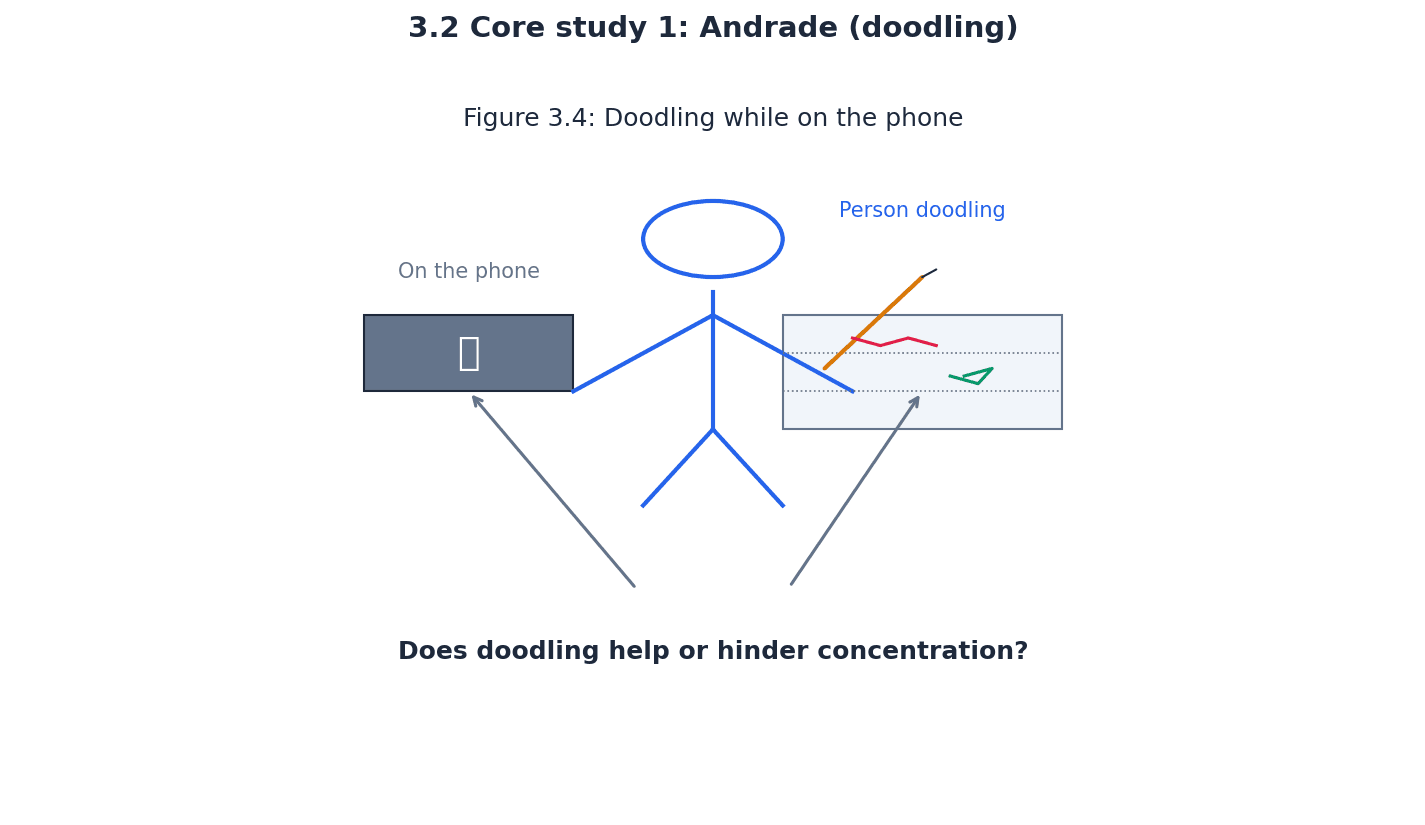
Andrade's study investigated whether doodling could improve concentration and memory during a boring task. Participants listened to a monotonous phone message and were either instructed to doodle or not. The study found that doodling can indeed improve concentration and memory, suggesting it helps by reducing daydreaming and keeping individuals engaged with the primary task.
Students often think doodling is always a distraction, but Andrade's study suggests it can improve concentration and memory by reducing daydreaming.
control group — Often used in experiments, this group does not receive the manipulation of the independent variable and can be used for comparison with the experimental group or groups.
The control group serves as a baseline to determine if the independent variable has a significant effect. By comparing the experimental group's results to the control group's, researchers can isolate the impact of the manipulated variable, much like a set of plants that don't receive fertilizer, allowing comparison with treated plants.
When describing a control group, clearly state what they did (or did not do) in relation to the independent variable and explain their purpose in establishing cause-and-effect relationships by providing a baseline for comparison.
ceiling effect — This occurs when a test is too easy and all participants in a condition score the top score.
A ceiling effect is problematic because it does not allow the research to differentiate between participants, making it impossible to measure individual differences or the full impact of an intervention if everyone is already performing at the maximum level, like a height measuring contest where everyone is taller than the tape.
Students often think a high score on a test is always good, but a ceiling effect (where everyone scores perfectly) means the test isn't sensitive enough to measure differences.
When evaluating a study's methodology, identify if a ceiling effect might have occurred and explain how it limits the validity and usefulness of the results by preventing differentiation between participants.
social cognition — The study of how people process social information and how this processing might affect how a person behaves towards or around other people.
Social cognition is a sub-area of the cognitive approach, focusing specifically on how mental processes like attention, memory, and thinking are applied to social situations and interactions. It helps explain why individuals interpret and react to social cues in particular ways, much like a detective analyzing clues to understand a crime scene.
When asked to explain social cognition, ensure you link it explicitly to cognitive processes (e.g., attention, memory, interpretation) and their impact on social interaction, not just the social interaction itself.
basic emotions — As argued by Ekman (1992), there are six basic emotions that are recognised universally by adults and even very young children developing normally.
These emotions are happiness, sadness, anger, surprise, fear, and disgust. They are considered fundamental and are often expressed and recognized across different cultures, suggesting a biological basis, much like primary colours forming the foundation for many shades.
When discussing emotion recognition, especially in the context of the Eyes Test, distinguish between basic emotions (which are easier to identify) and complex emotions, and explain how this distinction can affect test sensitivity.
Baron-Cohen et al.'s study investigated 'theory of mind' in adults with Autism Spectrum Condition (ASC) or High-Functioning Autism (HFA) using the 'Eyes Test'. This test assesses the ability to infer emotions and mental states from photographs of eyes. The study demonstrated that individuals with AS/HFA show a significant lack of 'theory of mind', which affects their ability to recognise emotions from subtle social cues.
Autism Spectrum Quotient Test (AQ) — A self-report questionnaire with scores ranging from 0 to 50.
A higher score on the AQ test suggests that the person completing it has more autistic traits. It is used to quantify the degree of autistic characteristics in individuals, including those without a formal diagnosis, acting like a 'spectrum meter' for autistic traits.
Students often think a high AQ score means a person has autism, but actually it indicates a higher number of autistic traits and is used as a screening tool, not a definitive diagnostic instrument.
When referring to the AQ test, state its purpose (measuring autistic traits) and the scoring range, and clarify that it's a self-report measure, which has implications for its reliability and validity.
Diagnostic and Statistical Manual (DSM) — Published by the American Psychiatric Association, it is used as a classification and diagnostic tool by doctors, psychiatrists and psychologists across the globe.
The DSM provides standardized criteria for diagnosing mental health disorders, ensuring consistency in diagnosis and facilitating research and communication among professionals. It undergoes periodic revisions to reflect new scientific understanding, much like a comprehensive medical dictionary for mental health.
International Classification of Disorders (ICD) — Published by the World Health Organization (WHO) and although similar to the DSM, it has a wider scope and covers all health-related conditions, not only mental health and psychological conditions.
The ICD is a global standard for health information and causes of death, providing a common language for reporting and monitoring diseases. Its broader scope makes it useful for a wider range of health professionals, akin to a complete encyclopedia covering every known health condition.
Students often think the DSM is the only diagnostic tool for mental health, but the ICD also exists and has a broader scope covering all health-related conditions.
When discussing diagnostic criteria, mention the DSM as a key reference, noting its role in standardizing diagnosis and how its classifications (e.g., for autism) have changed over time.
standardised procedure — A control to reduce confounding variables in laboratory studies where all participants are tested in the same conditions.
By ensuring all participants experience identical conditions, researchers can be more confident that any observed differences in the dependent variable are due to the independent variable, thereby increasing the internal validity of the experiment. This is like following a recipe precisely every time to ensure any difference in the cake is due to a single ingredient change.
When evaluating a study, identify specific elements of the standardized procedure (e.g., recorded messages, identical questionnaires, fixed viewing times) and explain how each helps control confounding variables and improve internal validity.
quasi-experiment — Quasi means ‘almost’, and refers to the fact that these experiments often have lots of control over the procedure, but not over how participants are allocated to conditions within the study.
In a quasi-experiment, participants are assigned to conditions based on pre-existing characteristics (e.g., having autism), rather than random assignment. This limits the ability to establish cause-and-effect relationships as strongly as in a true experiment, similar to studying teaching methods on students already in different classes.
Students often think quasi-experiments are just poorly designed true experiments, but actually they are a valid research method used when random assignment is impossible or unethical, though they have limitations regarding causal inference.
When identifying a quasi-experiment, explain why random allocation was not possible (e.g., pre-existing conditions) and discuss the implication for internal validity, specifically the increased risk of confounding variables due to participant characteristics.
IQ — A measure of intelligence that produces a score representing a person’s mental age.
The average range of IQ is between 85 and 115. IQ tests assess various cognitive abilities, and the score is often used to match participants in research studies to control for intelligence as a confounding variable, like a general 'brain power' score.
Students often think IQ measures all forms of intelligence, but it primarily assesses academic/logical abilities and doesn't cover emotional or practical intelligence.
When discussing IQ in research, explain its role as a control variable (e.g., in matching groups) and acknowledge that it measures a specific type of intelligence, not the full spectrum of human cognitive abilities.
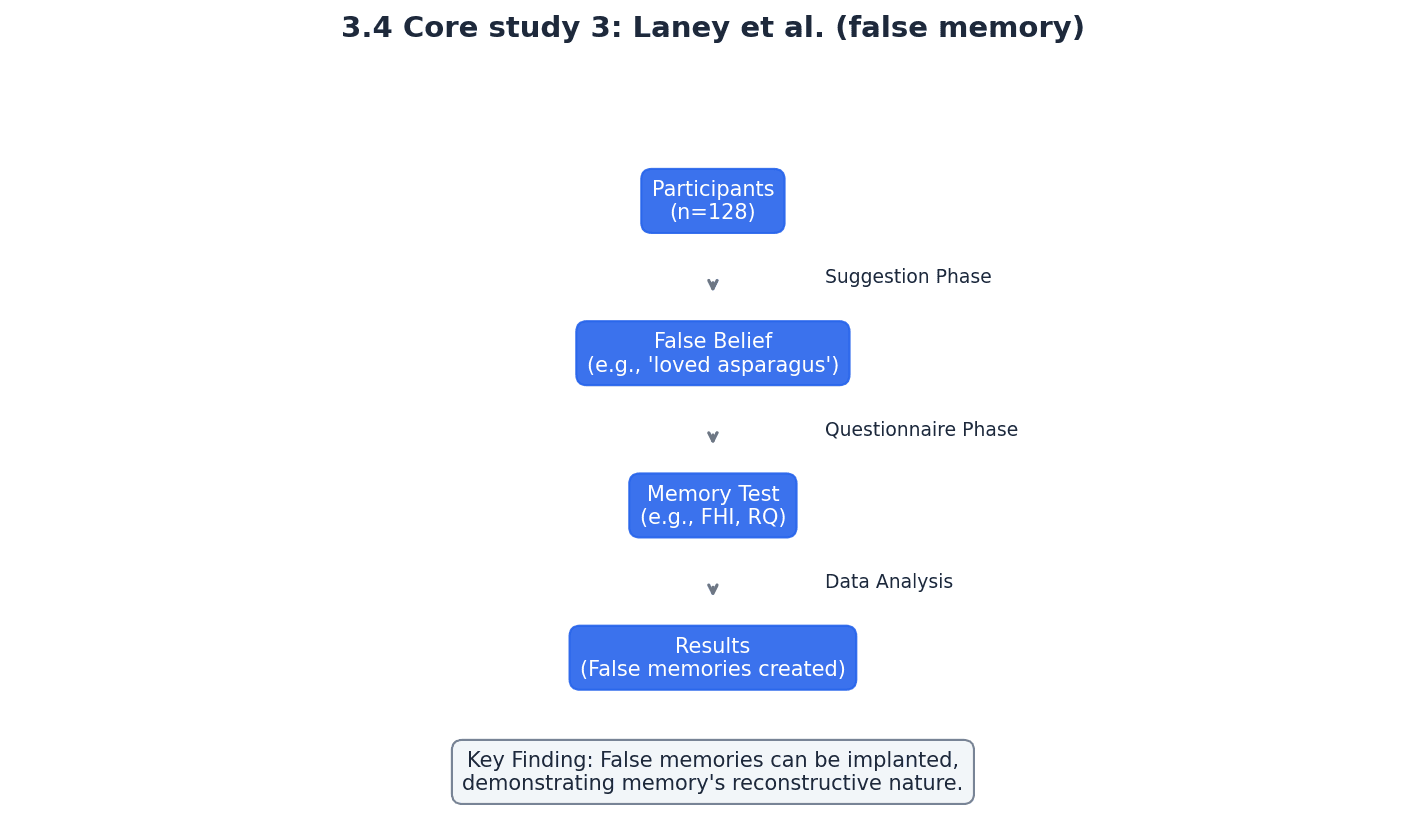
Laney et al.'s research explored how false memories can be implanted and their subsequent impact on beliefs and preferences. Across two experiments, participants were led to believe they had positive experiences with certain foods, such as asparagus, in their childhood. The study demonstrated that these false positive beliefs could be successfully implanted and significantly influence participants' attitudes and behaviours towards those foods.
Students often think false memories are easily detectable, but Laney et al. showed that positive false beliefs can be implanted and have real consequences on attitudes and behaviours.
Practice explaining how cognitive processes (e.g., attention, memory, theory of mind) directly impact observed behaviour, using examples from the studies.
Be prepared to evaluate the research methods used in the core studies, discussing their advantages and disadvantages in the context of the research question.
Advantages & Disadvantages
The Cognitive Approach
Laboratory Experiments (e.g., Andrade, Laney et al.)
Evaluation Starters
Essay Structure Guide
Introduction
Begin by defining the cognitive approach, stating its main assumptions (e.g., behaviour is explained by internal mental processes, mind as an information processor). Briefly introduce the core studies you will discuss and their relevance to the approach.
Conclusion
Summarise the main contributions of the cognitive approach to understanding behaviour, reiterating how cognitive processes are central. Briefly restate the key findings from the core studies and their implications. Conclude with a concise statement on the overall strengths and limitations of the cognitive approach.
This chapter explores the learning approach, focusing on how behaviour is acquired and modified through conditioning and social observation. It examines key studies by Bandura et al., Saavedra and Silverman, and Pepperberg to illustrate these principles in both humans and animals, while also addressing research methods, ethics, and core psychological debates.
imitative (social) learning — The learning of a new behaviour which is observed in a role model and imitated later in the absence of that model.
This type of learning, central to social learning theory, suggests that individuals can acquire new behaviours simply by watching others. The behaviour is then reproduced even when the original model is no longer present, indicating a lasting change. For example, a child watching an older sibling tie their shoelaces and then trying to do it themselves later, even when the sibling isn't there.
Students often think imitative learning only happens with direct rewards, but actually, it can occur without reinforcement of either the model or the observer.
When asked to describe imitative learning, ensure you mention both observation and later reproduction in the absence of the model for full marks.
sex-typed behaviour — Actions that are typically performed by one particular gender and are seen in society as more appropriate for that gender.
These behaviours are culturally influenced and often reinforced through rewards and punishments, leading to differences in how boys and girls behave. Aggression, for example, was historically seen as a masculine-type behaviour. Playing with dolls being considered 'for girls' and playing with toy trucks being 'for boys' are examples of sex-typed behaviours reinforced by societal norms.
Students often think sex-typed behaviours are purely biological, but actually, they are largely a product of social learning and cultural expectations (nurture).
In questions about Bandura et al., link sex-typed behaviour to the differential imitation rates between boys and girls and the comments made by children about the models.
classical conditioning — Learning through association, studied in both humans and animals.
It is a learning process where a neutral stimulus (NS) becomes associated with an unconditioned stimulus (UCS) that naturally produces an unconditioned response (UCR). After repeated pairings, the NS becomes a conditioned stimulus (CS) and emits a conditioned response (CR) similar to the UCR. For instance, the smell of your favourite food (UCS) makes your mouth water (UCR). If a specific song (NS) always plays when you eat that food, eventually the song (CS) alone will make your mouth water (CR).
Students often think classical conditioning involves rewards, but actually, it's about forming involuntary associations between stimuli, not voluntary actions and consequences.
When explaining classical conditioning, clearly identify the UCS, UCR, NS, CS, and CR, and describe the process of association for maximum clarity.
phobia — The irrational, persistent fear of an object or event which poses little real danger but creates anxiety and avoidance in the sufferer.
Phobias are often learned through classical conditioning, where a neutral stimulus becomes associated with a negative experience. They can significantly interfere with an individual's daily functioning. Someone who was once bitten by a dog (UCS) might develop a phobia of all dogs (CS), even friendly ones, experiencing intense fear (CR) despite no immediate danger.
Students often think phobias are always based on a traumatic event, but actually, they can also develop through observational learning or evaluative learning without direct trauma.
When discussing phobias, ensure you highlight both the irrationality and the persistent nature of the fear, and how it impacts daily life.
evaluative learning — A form of classical conditioning wherein attitudes towards stimuli are considered to be the product of complex thought processes and emotions which lead an individual to perceive or evaluate a previously neutral stimulus negatively.
Unlike simpler classical conditioning focused on fear, evaluative learning emphasizes the role of disgust and cognitive appraisals in forming negative associations. Attitudes acquired this way may be more resistant to change. An example is developing a strong dislike for a certain type of food (previously neutral) after hearing a vivid, disgusting story about its preparation, even if you've never had a bad experience eating it yourself.
Students often think evaluative learning is just another name for classical conditioning, but actually, it specifically highlights the role of complex cognitions and emotions like disgust, not just basic fear responses.
When discussing Saavedra and Silverman, emphasize how evaluative learning explains the boy's disgust and how imagery exposure targeted these cognitive and emotional aspects.
positive reinforcement — A form of operant conditioning, another theory of learning, which involves rewarding desirable behaviour to encourage it to be repeated.
When a behaviour is followed by a pleasant consequence, the likelihood of that behaviour occurring again in the future increases. This is a key mechanism for shaping behaviour. For example, giving a dog a treat (reward) every time it sits on command makes it more likely to sit when told in the future.
Students often confuse positive reinforcement with punishment, but actually, positive reinforcement adds something desirable to increase a behaviour, while punishment adds something undesirable or removes something desirable to decrease a behaviour.
In questions about operant conditioning, clearly state that positive reinforcement increases the likelihood of a behaviour by adding a desirable stimulus.
self-control — A form of cognitive behavioural therapy which involves using 'self-talk'; the individual is taught to recognise difficult situations, acknowledge troubling thoughts and consider alternative, positive thoughts.
This technique empowers individuals to manage their own emotional and behavioural responses by consciously altering their internal dialogue. It helps to challenge negative evaluations and replace them with more adaptive ones. For example, when facing a challenging exam, instead of thinking 'I'm going to fail,' using self-talk to say 'I've studied hard, I can do this' to manage anxiety and improve performance.
When discussing self-control in therapy, link it to cognitive restructuring and the active role of the individual in challenging negative thoughts.
continuous reinforcement — When a learner receives a reward each time they perform a desirable behaviour.
This schedule of reinforcement is highly effective for establishing new behaviours quickly, as it creates a strong and immediate association between the action and the reward. However, behaviours learned this way may extinguish quickly if reinforcement stops. For example, every time a child puts a toy away, they immediately get a sticker. This quickly teaches them to put toys away.
Students often think continuous reinforcement is the only way to maintain behaviour, but actually, intermittent reinforcement schedules are more effective for long-term maintenance once a behaviour is established.
When asked about continuous reinforcement, explain its role in initial learning and contrast it with other schedules for maintaining behaviour.
The learning approach in psychology posits that behaviour is primarily learned through experience, rather than being innate. This perspective explores how conditioning and social learning mechanisms explain changes in behaviour in both humans and animals. The chapter introduces this approach through three core studies: Bandura et al. (aggression), Saavedra and Silverman (button phobia), and Pepperberg (parrot learning).
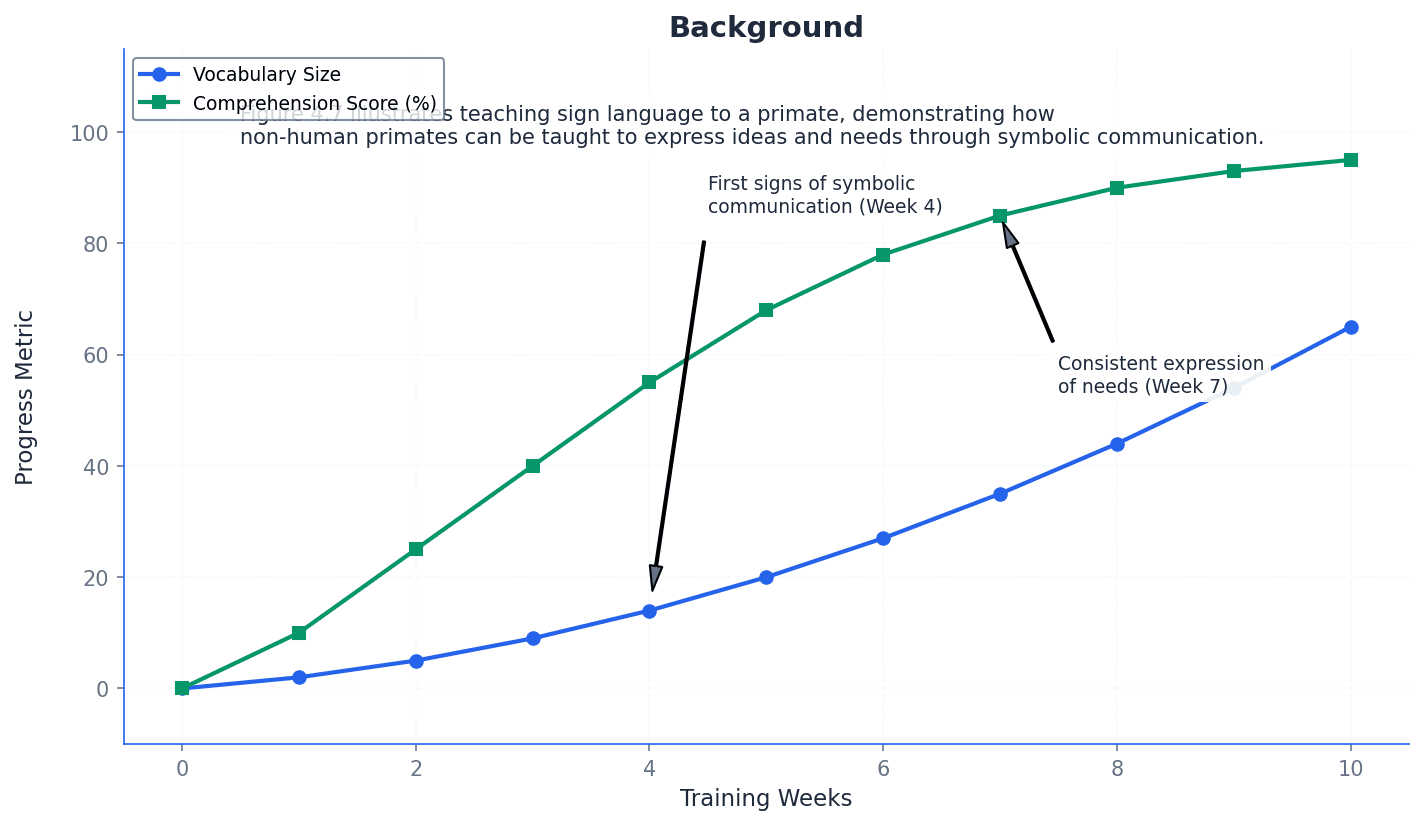
Bandura et al.'s study investigated imitative (social) learning of aggression. Children observed adult models behaving aggressively or non-aggressively towards a Bobo doll. The study demonstrated that children exposed to aggressive models were more likely to reproduce aggressive acts, including novel ones, highlighting the power of observational learning. This research also explored sex-typed behaviour, noting differences in imitation rates between boys and girls.
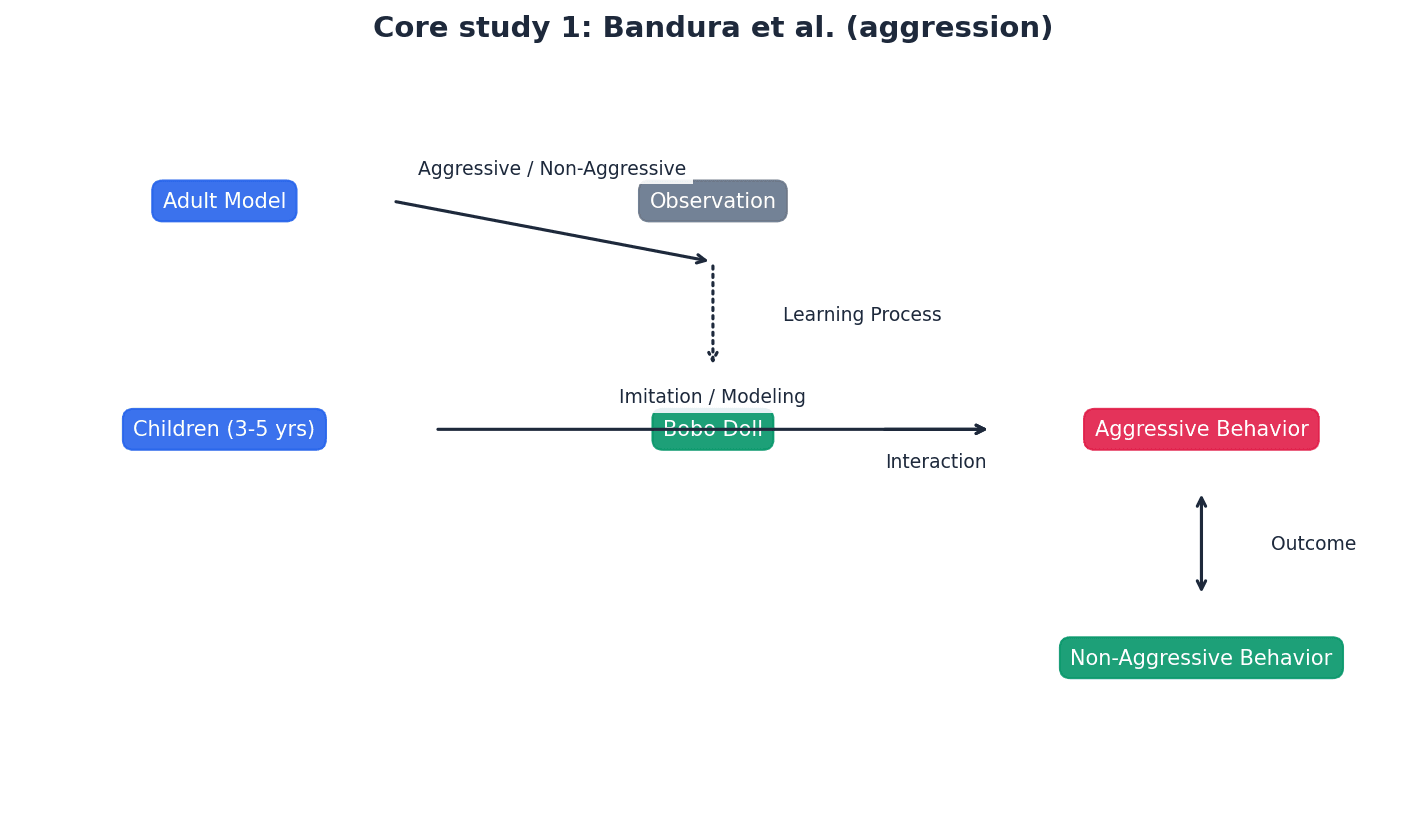
Students may confuse facilitation of behaviour (making existing behaviour more likely) with imitative learning (acquiring a new behaviour that generalizes to new settings).
Saavedra and Silverman's case study explored the treatment of a button phobia in a child, illustrating the principles of classical conditioning and its application in therapy. The boy's phobia was likely acquired through an association between buttons and a negative emotional state, possibly involving disgust, which is central to evaluative learning. The study employed positive reinforcement therapy and imagery exposure to reduce the boy's distress and avoidance behaviours.
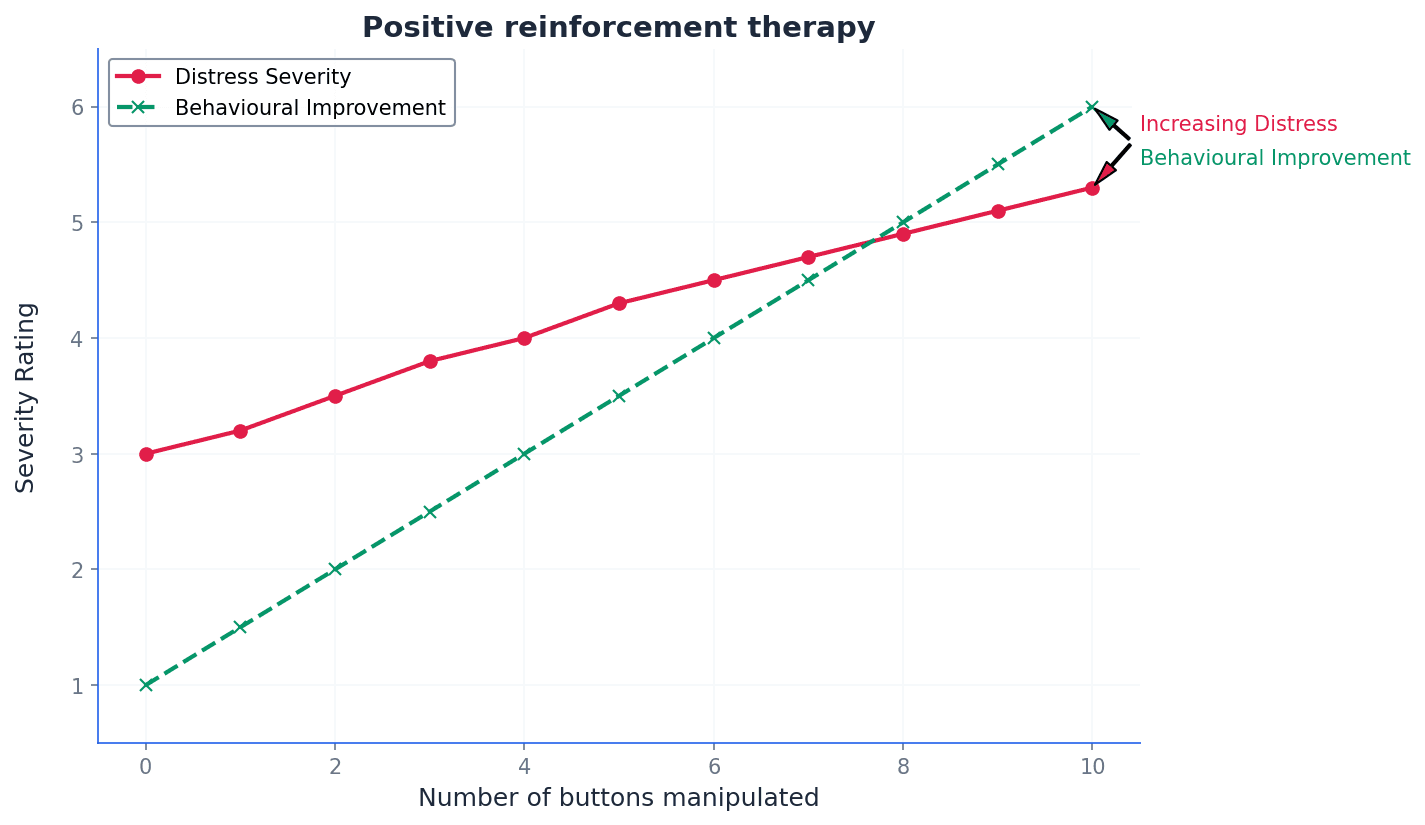
Students often assume that classical conditioning always involves fear, but evaluative learning highlights the importance of other emotions like disgust in forming negative associations.
Students might believe that positive reinforcement therapy always reduces subjective distress, but Saavedra and Silverman showed that behavioural improvement can occur even while feelings of disgust and anxiety increase.
Pepperberg's study with Alex the parrot demonstrated complex learning abilities in animals, combining elements of operant conditioning and social learning. Alex was taught to identify and categorise objects using continuous reinforcement for correct responses. This research highlights how animals can acquire sophisticated cognitive skills through structured training and observation, challenging previous assumptions about animal intelligence.
The learning approach utilises various research methods, including laboratory experiments (Bandura et al., Pepperberg) and case studies (Saavedra and Silverman). Laboratory experiments offer high control and objectivity but may lack ecological validity, while case studies provide in-depth qualitative data but findings may not be generalisable. Ethical considerations are paramount, especially when researching children (e.g., consent, protection from harm) and animals (e.g., minimising distress, appropriate living conditions).
Students often overlook the distinction between quantitative and qualitative data, failing to recognize their respective strengths and weaknesses in providing objective measures versus in-depth understanding.
Students may think that animal studies are less ethical than human studies, but ethical considerations apply to both, and animals may be preferred in some cases to avoid harm to human participants.
The learning approach strongly supports the nurture side of the nature versus nurture debate, arguing that behaviour is learned through environmental interactions. It also contributes to the individual versus situational debate by showing how situational factors (e.g., presence of a model, reinforcement schedules) can profoundly influence individual behaviour, though individual differences in learning and response are also acknowledged.
When evaluating studies, explicitly link strengths and weaknesses to the specific methodology (e.g., lab experiment, case study) used.
For 'discuss' questions on debates (nature/nurture, individual/situational), use specific examples from the core studies to illustrate your points.
When explaining applications, clearly state how a concept (e.g., classical conditioning, positive reinforcement) is used in a real-world context or therapy.
Ensure you address ethical considerations for both children and animals, referencing specific guidelines or issues relevant to the core studies.
Practice applying glossary terms correctly in your explanations to demonstrate precise psychological understanding.
Advantages & Disadvantages
Laboratory Experiments (e.g., Bandura et al., Pepperberg)
Case Studies (e.g., Saavedra and Silverman)
Evaluation Starters
Essay Structure Guide
Introduction
Begin by defining the learning approach and its main assumptions (e.g., behaviour is learned). Briefly introduce the core studies relevant to the question and state your essay's argument or line of reasoning.
Conclusion
Summarise your main arguments, reiterating how the learning approach explains behaviour. Offer a final evaluative statement on the strengths and limitations of the approach, or its overall contribution to psychology, without introducing new information.
This chapter introduces the social approach in psychology, which explores how behaviour, cognitions, and emotions are influenced by others and social situations. It examines core studies by Milgram, Piliavin et al., and Yamamoto et al. to highlight the impact of situational factors on social behaviour and discuss relevant psychological issues and debates.
obedience — Following a direct order from a person or people in authority.
Obedience is a key concept in social psychology, often studied in the context of how individuals respond to commands from perceived authority figures, even when those commands may conflict with personal ethics. For example, following a teacher's instruction to complete a difficult assignment, even if you'd rather not, is an act of obedience to an authority figure.
Students often think obedience only applies to extreme situations, but actually it's an everyday phenomenon like following traffic signs or rules at school.
destructive obedience — Obedience that has potential to cause psychological or physical harm or injury to another.
This specific type of obedience explores the dark side of human compliance, where following orders leads to harm. Milgram's study was designed to investigate the factors contributing to destructive obedience, such as a soldier following orders to harm civilians, even if it goes against their conscience.
Students often think destructive obedience is only committed by 'bad' people, but actually Milgram's research suggests ordinary people can engage in it under strong situational pressures.
When asked to define obedience, ensure you include 'direct order' and 'person in authority'. For application questions, link specific situational factors to changes in obedience levels.
white collar workers — Refers to individuals who work in professional occupations, as compared to ‘blue collar’ workers which refers to those who perform manual work.
This term categorizes occupations based on the type of work performed, often implying differences in education, income, and social status. Milgram's sample included white collar workers to ensure a range of backgrounds, increasing the generalisability of his findings on obedience. For instance, a doctor or a lawyer is a white collar worker, while a factory worker or a plumber is typically considered a blue collar worker.
confederate — Someone who is playing a role in a piece of research and has been instructed as to how to behave by the researcher.
Confederates are crucial in many social psychology experiments to manipulate social situations or create specific reactions from real participants without their knowledge. In Milgram's study, the 'learner' and 'experimenter' were confederates, essential for creating the illusion of the shock experiment. In a magic show, the magician's assistant who secretly helps with the trick is like a confederate in an experiment.
When describing experimental procedures, clearly identify the role of confederates and explain how their actions contribute to the independent variable or the experimental setup.
Milgram's study investigated the extent to which individuals would obey direct orders from an authority figure, even if those orders involved inflicting harm. The research aimed to understand the factors contributing to destructive obedience, using a controlled laboratory setting to observe participants' responses to commands to administer electric shocks to a 'learner' (a confederate).
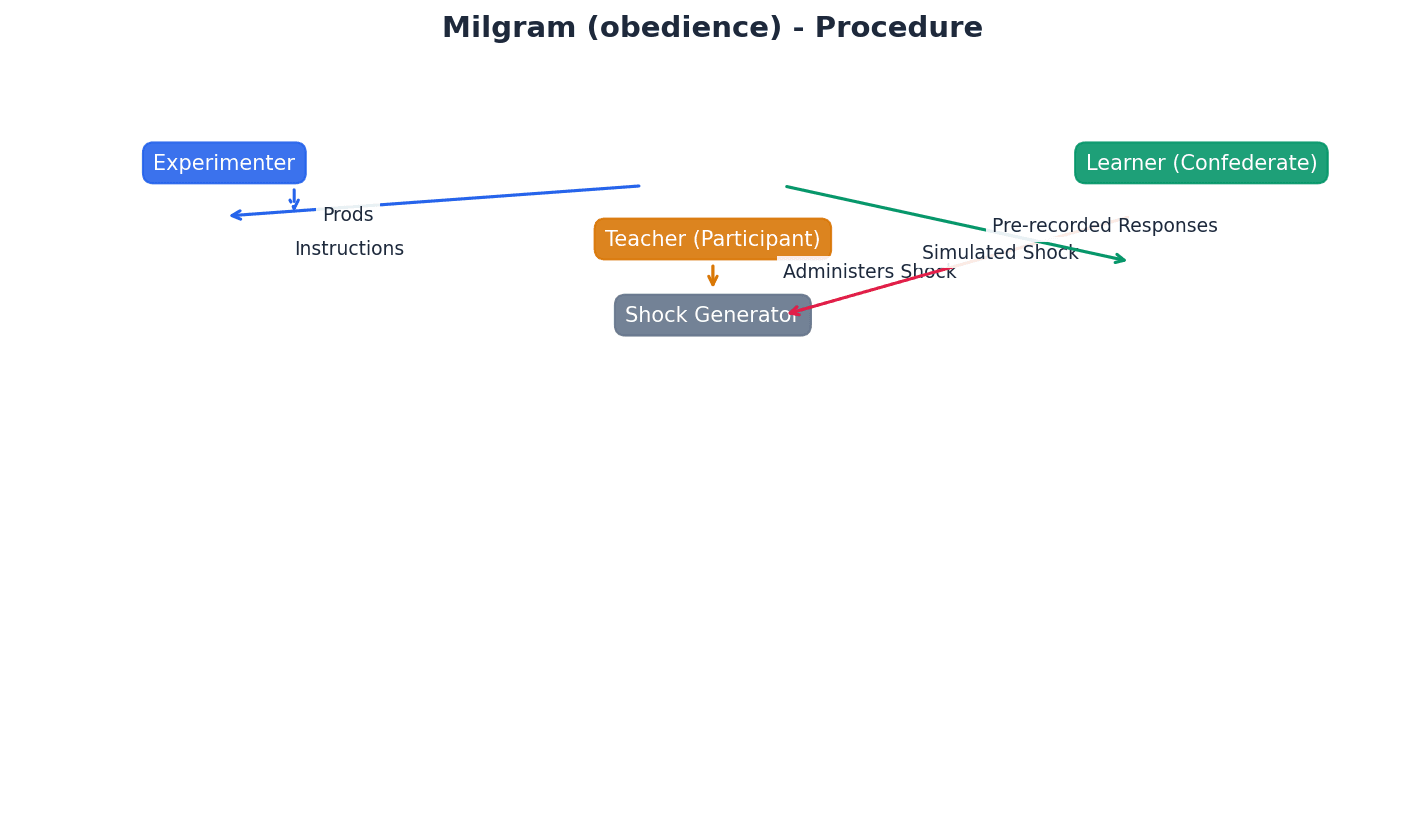
bystander — A person who is present at, but may not be directly involved in, a particular situation.
Bystanders are central to the study of helping behaviour, as their presence and reactions can significantly influence whether someone in need receives assistance. The 'bystander effect' refers to the phenomenon where individuals are less likely to help in an emergency when others are present. Someone watching a street performer but not participating is a bystander.
Students often think a bystander is someone who simply doesn't care, but actually psychological factors like diffusion of responsibility can prevent helping even when they do care.
Good Samaritan — This term originates from the New Testament in the Bible. It refers to a story of a Samaritan (person originating from ancient Samaria) who stops to offer help to an injured stranger.
In psychology, 'Good Samaritanism' is used to describe altruistic helping behaviour, particularly towards strangers in distress. Piliavin et al.'s study investigated factors influencing this type of helping in a real-life setting. Someone stopping to help a stranded motorist change a tire, without expecting anything in return, is acting as a Good Samaritan.
When discussing bystander behaviour, differentiate between a bystander (a person present) and the 'bystander effect' (the phenomenon of reduced helping).
diffusion of responsibility — A person is less likely to take action in an emergency where there are others there also able to help.
This hypothesis suggests that in a group, the perceived sense of individual responsibility to intervene is 'diffused' or reduced among all present, leading to a lower likelihood of any single person helping. Piliavin et al.'s study challenged this hypothesis in a naturalistic setting. For example, if a group of people see a dropped wallet, each person might think 'someone else will pick it up,' leading to no one picking it up.
Students often think diffusion of responsibility means people don't care, but actually it's a cognitive process where the burden of action is perceived to be shared, reducing individual pressure.
cost–benefit model — Involves a decision-making process in which a person weighs up both the advantages and disadvantages of helping.
Proposed by Piliavin et al., this model suggests that bystanders experience arousal in an emergency and then evaluate the potential costs (e.g., danger, effort, embarrassment) and benefits (e.g., praise, reduced guilt) of helping versus not helping. The outcome of this calculation determines their response. Deciding whether to lend money to a friend involves weighing the benefit of helping them against the cost of potentially not getting your money back.
Students often think the cost-benefit model is purely rational, but actually it also incorporates emotional arousal as a trigger for the decision-making process.
When applying the cost-benefit model, ensure you identify specific costs (e.g., danger, effort, embarrassment) and benefits (e.g., praise, reduced guilt) relevant to the scenario, and explain how they influence the decision to help.
Piliavin et al. conducted a field experiment to investigate bystander behaviour in a naturalistic setting, specifically on a subway train. The study aimed to understand factors influencing helping behaviour towards a 'victim' (a confederate) and to challenge the diffusion of responsibility hypothesis, proposing instead a cost-benefit model to explain bystander intervention.
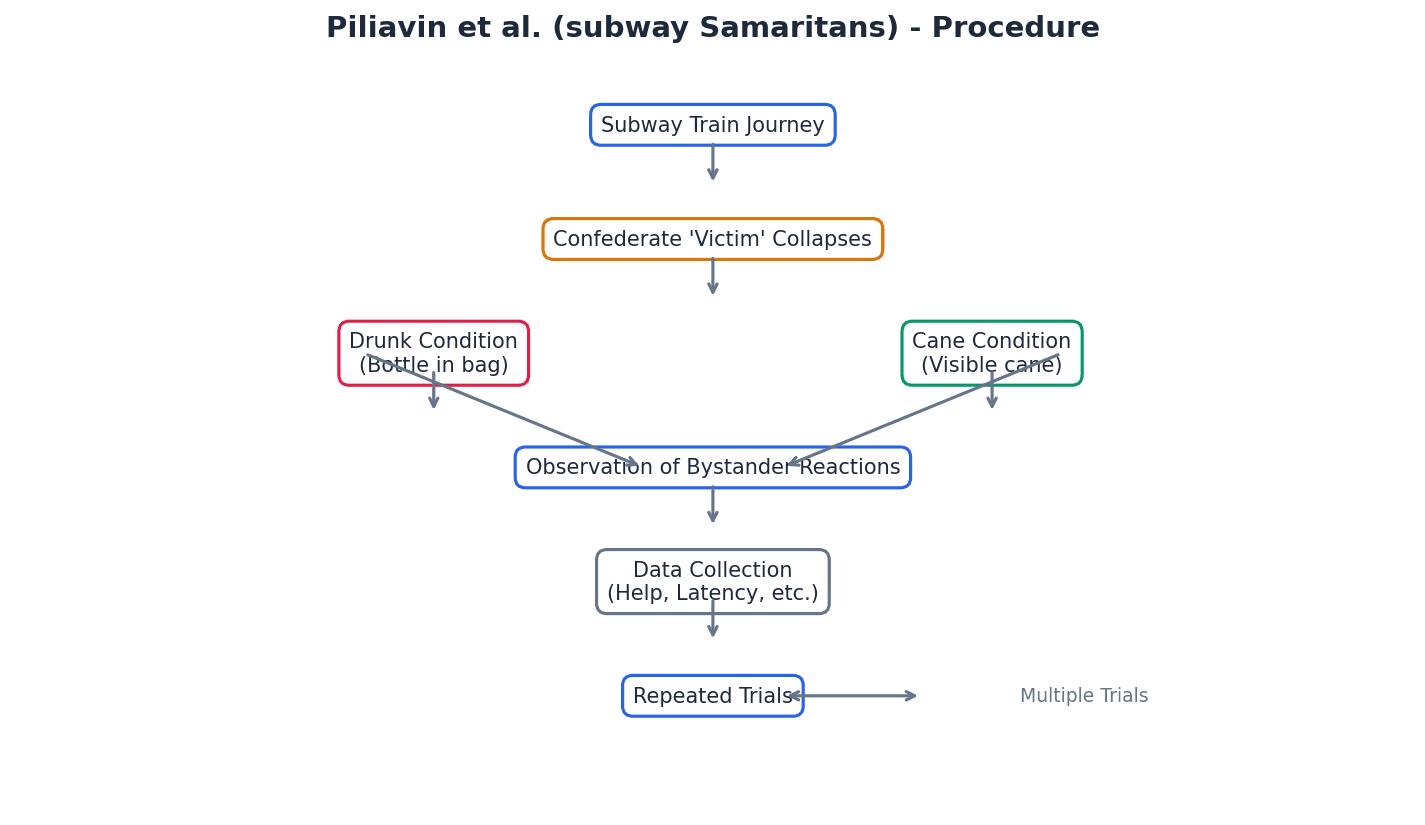
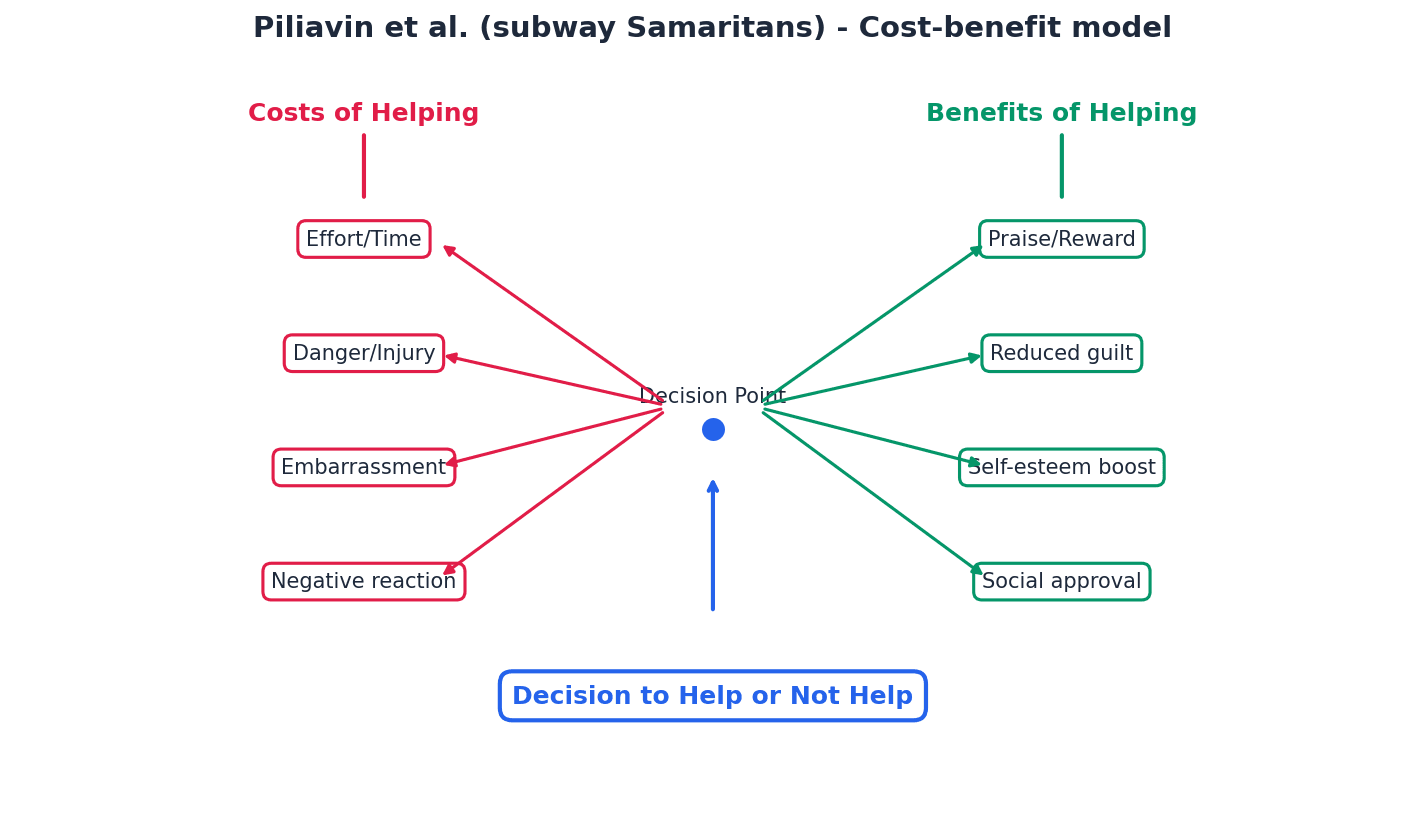
conspecific — Member of the same species.
This term is used in animal behaviour research to refer to other individuals of the same species, highlighting interactions within a species. Yamamoto et al.'s study investigated helping behaviour between chimpanzee conspecifics. A human helping another human is an example of a conspecific interaction.
altruistic — Acting helpfully towards others without obvious benefit to oneself.
Altruism is a form of pro-social behaviour where the helper gains no direct reward or may even incur a cost. The debate exists whether true altruism, without any underlying self-interest, is unique to humans or also present in other species like chimpanzees. Donating blood to a stranger, with no expectation of reward, is an altruistic act.
Students often think any helping behaviour is altruistic, but actually true altruism implies no obvious benefit to the helper, distinguishing it from helping for social praise or reciprocity.
Yamamoto et al. conducted research to investigate whether chimpanzees could offer targeted helping to conspecifics, specifically when a tool was needed to solve a task. This study explored the presence of altruistic-like behaviour in non-human primates, contributing to the understanding of the evolutionary roots of helping.
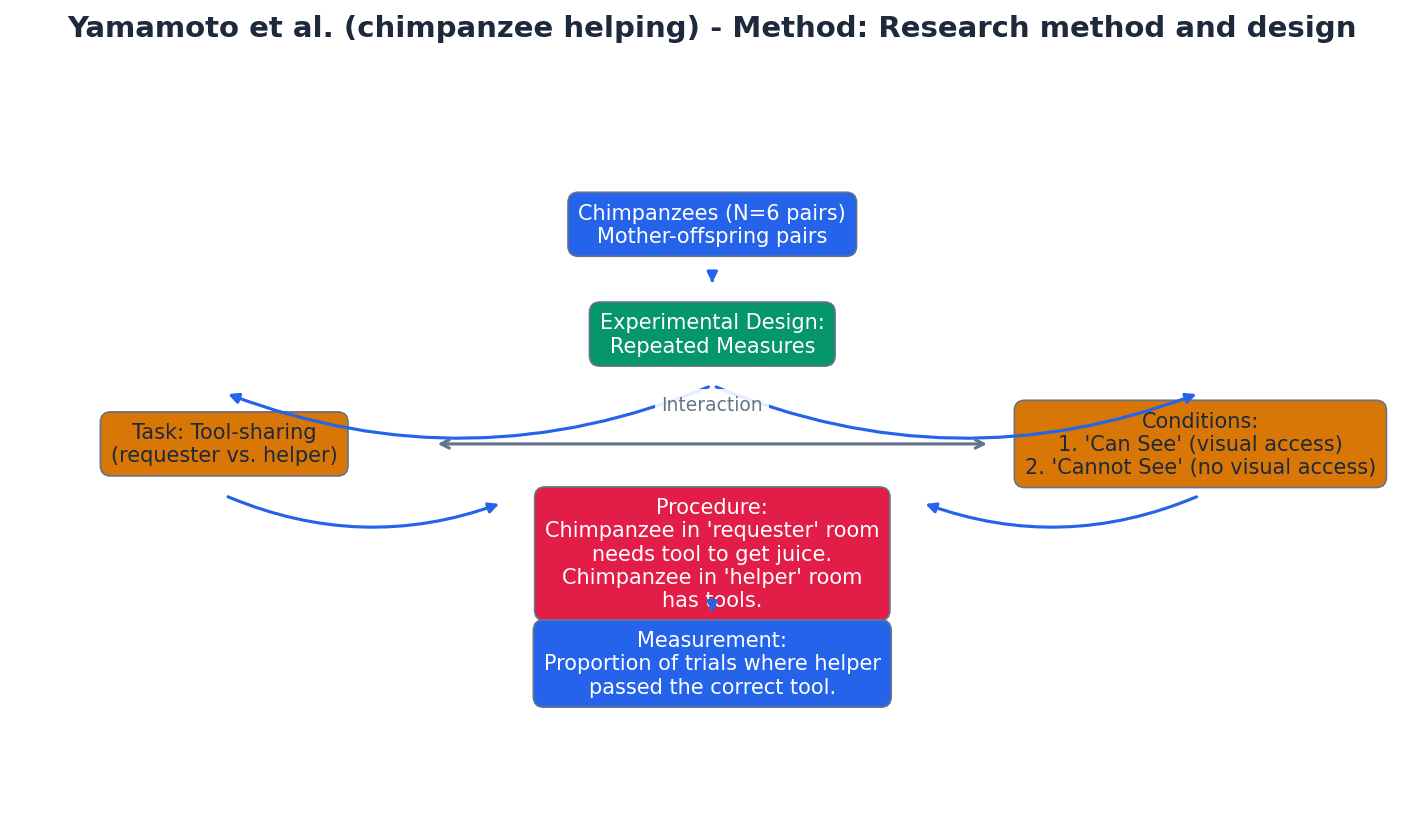
When evaluating core studies, always link strengths and weaknesses directly to the research method used (e.g., lab experiment vs. field experiment).
For application questions, clearly explain how findings from the core studies can be used to understand or address real-world issues.
Practice comparing and contrasting the core studies, focusing on their methods, findings, and conclusions, as well as their ethical considerations.
Advantages & Disadvantages
Milgram's Obedience Experiment
Piliavin et al.'s Subway Samaritan Study
Evaluation Starters
Essay Structure Guide
Introduction
Begin by defining the social approach and its core assumption that behaviour, cognitions, and emotions are influenced by others. Briefly introduce the core studies (Milgram, Piliavin et al., Yamamoto et al.) as examples of this approach.
Conclusion
Summarise the main contributions of the social approach and its core studies to our understanding of human (and animal) behaviour. Reiterate the importance of situational factors and briefly mention any ongoing debates or future directions.
This chapter explores various mental health disorders, including schizophrenic, bipolar, impulse control, non-substance addictive, and anxiety disorders. It details their classification, diagnosis, and offers competing biological, cognitive, and behavioral explanations for their origins, alongside a range of treatment options and relevant research debates.
abnormality — Abnormality can be defined in psychology in many ways, including behaviours that are rarely seen, behaviours not considered normal in a particular society, or behaviours that harm the individual or those around them.
Defining abnormality is complex, involving considerations like statistical infrequency, deviation from social norms, failure to function adequately, and deviation from ideal mental health. These varied definitions highlight the multifaceted nature of mental health and the challenges inherent in diagnosis. For instance, experiencing hallucinations is statistically infrequent, making it abnormal.
diagnosis — Diagnosis is the process of understanding which mental disorder can best explain an individual’s symptoms, involving looking for particular signs that meet the criteria for known illnesses.
Diagnosis provides a crucial framework for understanding and treating mental disorders, enabling standardized communication among healthcare professionals. It relies on observing symptoms and comparing them to established diagnostic criteria, such as those found in the DSM-5. Just as a mechanic diagnoses a car problem by checking specific signs, a psychologist diagnoses a mental disorder by checking specific symptoms.
Students often think diagnosis is a definitive label that fully defines a person, but actually it's a clinical tool to guide treatment and understanding, not a complete description of an individual.
When discussing diagnosis, refer to specific diagnostic manuals (e.g., DSM-5) and criteria, and consider the challenges and controversies involved, such as cultural bias.
duration — Duration refers to the length of time the individual experiences the symptoms or illness.
This term helps quantify the chronicity of a disorder, distinguishing between brief episodes and long-term conditions. It is crucial for diagnosis and understanding the impact on a person's life. Like how long a cold lasts, duration in psychology refers to how long someone experiences symptoms of a mental illness.
Students often think duration only refers to the total time a person has a disorder, but actually it can also refer to the length of specific symptomatic episodes.
severity — Severity is the intensity with which the individual experiences the symptoms or illness.
Severity helps clinicians gauge the impact of a disorder on an individual's functioning and guides treatment decisions. It can range from mild to extreme, influencing the type and intensity of intervention required. Think of a headache: a mild headache is less severe than a migraine that makes you unable to function.
In evaluation questions about diagnosis or treatment, consider how the severity of symptoms might influence the effectiveness or appropriateness of an intervention.
Mental health disorders are systematically classified and diagnosed based on specific criteria, including the characteristics, duration, and severity of symptoms. This structured approach allows for standardized communication among healthcare professionals and guides treatment decisions. The process involves identifying patterns of symptoms that align with established diagnostic categories.
affect — Affect refers to a person’s feelings or emotions, where a ‘flat’ affect can refer to a lack of visible response such as a frown or smile.
Affect is an observable expression of emotion, which serves as a key diagnostic indicator in many mental disorders. A 'flat affect' is a common negative symptom in schizophrenia, indicating a reduction in emotional expression. Imagine someone telling a joke with a completely blank face; their 'flat affect' means you can't tell if they find it funny.
Students often think affect is the same as mood, but actually affect is the observable expression of emotion, while mood is a sustained emotional state.
persecutory ideation — Persecutory ideation is the process of forming an idea that one is at risk of being ill-treated or harmed by others.
This is a key component of paranoid thinking, frequently observed in psychotic disorders like schizophrenia. It involves a persistent belief that others intend to cause harm, even in the absence of supporting evidence. It's like constantly feeling that everyone in a room is whispering about you and planning something against you, even if they're just having normal conversations.
Students often think persecutory ideation is the same as a delusion, but actually it's the *process* of forming such ideas, which can then develop into full-blown persecutory delusions.
Schizophrenic and psychotic disorders are characterized by a range of symptoms, including disturbances in thought, perception, emotion, and behavior. Key characteristics include persecutory ideation and a flat affect. Research methods like virtual reality, as demonstrated by Freeman (2008), are used to assess symptoms in these disorders.
Genetic explanations propose that schizophrenia has a hereditary component. Twin studies, such as Gottesman & Shields (1972), compare concordance rates in monozygotic (MZ) and dizygotic (DZ) twins to assess genetic influence. Higher concordance in MZ twins suggests a stronger genetic link, though environmental factors also play a role.
twin study — A twin study is a type of study which compares sets of twins to analyse similarities and differences, including concordance for intelligence or mental disorders, involving both monozygotic (MZ) and dizygotic (DZ) twins, as well as adoption studies.
Twin studies are powerful tools for investigating the relative contributions of genetics (nature) and environment (nurture) to psychological traits and disorders. By comparing MZ (identical) and DZ (non-identical) twins, researchers can infer genetic influence if MZ twins show higher concordance rates. Imagine two identical cars (MZ twins) and two similar but not identical cars (DZ twins) driven on the same roads; if identical cars break down similarly more often, it suggests a design flaw (genetics).
concordance — Concordance is the presence of a particular observable trait or disorder in both individuals within a set of twins.
Concordance rates are central to twin studies, indicating the probability that if one twin has a trait or disorder, the other twin will also have it. Higher concordance in MZ twins compared to DZ twins suggests a stronger genetic component. If both identical twins always get the same rare allergy, their concordance rate for that allergy is 100%.
Students often think that if MZ twins have a higher concordance rate for a disorder, it's purely genetic, but actually environmental factors still play a role, and MZ twins often share more similar environments than DZ twins.
polymorphism — Polymorphism refers to a variation in a gene or genes, representing different expressions that may be present in a normal population, even if infrequent, rather than a unique change.
Polymorphisms are common genetic variations that can influence an individual's susceptibility to certain diseases or their response to medications. They are a key focus in genetic research to understand the biological basis of mental disorders. Think of different hair colors in people; they are variations (polymorphisms) of genes, not necessarily harmful mutations.
Students often think polymorphism is always a harmful genetic defect, but actually it's a natural variation in DNA that can be neutral, beneficial, or increase risk for certain conditions.
sexually dimorphic — Sexually dimorphic refers to any differences between males and females of any species, beyond just differences in organs or genitalia, caused by inheriting either male or female patterns of genetic material.
Sexually dimorphic traits can include differences in brain structure, neurochemical pathways, or disease susceptibility between sexes. Understanding these differences is crucial for tailored diagnosis and treatment approaches in mental health. Male lions have manes and female lions don't; that's a sexually dimorphic trait beyond just their reproductive organs.
The biochemical explanation for schizophrenia, particularly the dopamine hypothesis, suggests an imbalance in neurotransmitter levels. Lindström et al. (1999) provided evidence for this by studying dopamine receptor binding. Positron emission tomography (PET) scanning is a key technique used to investigate brain activity and neurochemical processes in this context.
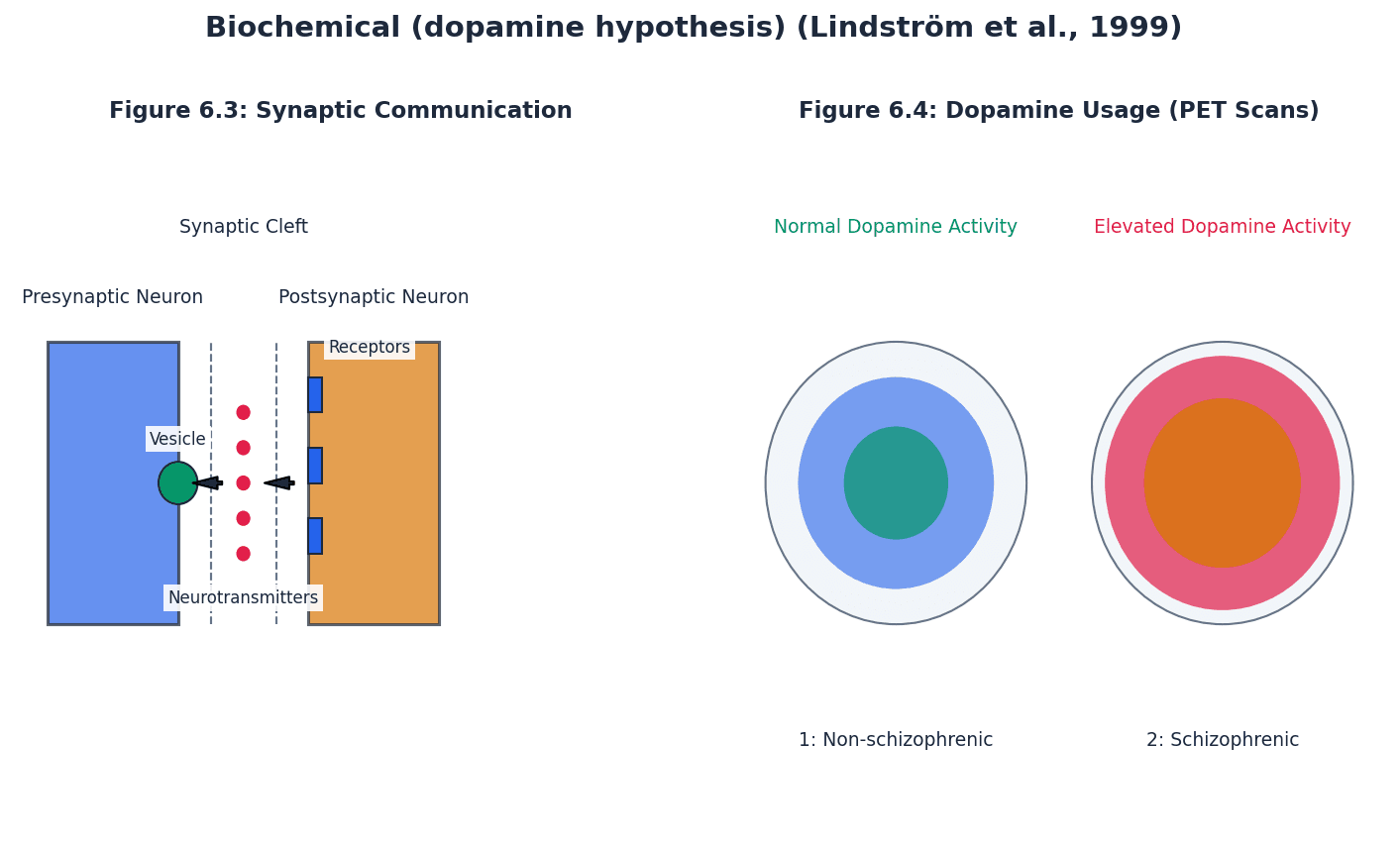
Positron emission tomography (PET) scanning — PET scanning is a technique which uses gamma cameras to detect radioactive tracers such as glucose, injected into the blood, which accumulate in areas of high activity during the scan, allowing them to become visible for analysis.
PET scans provide images of brain activity by measuring metabolic processes, such as glucose uptake. This allows researchers to identify areas of the brain that are more or less active in individuals with certain disorders, linking brain function to symptoms. It's like using a special camera to see which parts of a city are using the most electricity at night, showing where the most activity is happening.
Students often think PET scans show brain structure, but actually they primarily show brain *activity* or function, unlike MRI scans which show structure.
Cognitive explanations, such as Frith's (1992) theory, focus on dysfunctional thought processes in schizophrenia. These theories suggest that symptoms arise from difficulties in monitoring one's own thoughts and actions, leading to misinterpretations of reality. Cognitive behavioural therapy (CBT) is a psychological treatment that addresses these faulty thought patterns.
Treatment for schizophrenia involves a combination of biochemical interventions and psychological therapies. Biochemical treatments include antipsychotics, while psychological approaches include token economy programs, as demonstrated by Paul & Lentz (1977), and cognitive behavioural therapy (Sensky et al., 2000). Electro-convulsive therapy is also an option in some cases.
milieu therapy — Milieu therapy is a type of treatment which involves the use of a therapeutic community, where patients live collectively and are encouraged to look after both themselves and each other to promote social engagement and relationship building.
Milieu therapy creates a supportive and structured environment where the entire social setting is considered therapeutic. It aims to foster personal responsibility, social skills, and a sense of community among patients, often used for chronic conditions. It's like living in a supportive boarding school where everyone helps each other learn and grow, rather than just attending classes.
psychiatrist — A psychiatrist is a doctor with specialised medical training to deal with the diagnosis and treatment of disorders.
Psychiatrists are medical doctors who can prescribe medication and have a biological understanding of mental disorders, often working alongside psychologists who focus on psychological therapies. This distinction is important for understanding different roles in mental healthcare. A psychiatrist is like a medical doctor for your brain, while a psychologist is like a therapist who helps you understand and change your thoughts and behaviors.
Bipolar and related disorders are characterized by abnormal affect, involving episodes of both depression (unipolar) and mania (bipolar). Measures like the Beck Depression Inventory are used to assess the severity of depressive symptoms. These disorders significantly impact an individual's sustained emotional state, known as mood.
schemas — Schemas are units of knowledge about the world, where information from our senses is arranged meaningfully in our minds to help us categorise new experiences and details, underlying virtually all cognition.
Schemas are fundamental cognitive structures that organize our knowledge and influence how we perceive and interpret new information. In cognitive theories of depression, dysfunctional schemas can lead to negative biases in thinking. Think of schemas as mental folders in your brain; when you encounter something new, you try to fit it into an existing folder or create a new one, which shapes how you understand it.
Students often think schemas are just simple facts, but actually they are complex mental frameworks that include beliefs, expectations, and memories, influencing all cognitive processes.
attribution — Attribution is the cognitive process by which individuals explain the causes of behaviour and events, which may be faulty or biased based on previous life experience.
Attributional style refers to an individual's characteristic way of explaining events, particularly negative ones. A pessimistic attributional style (internal, stable, global) is linked to learned helplessness and depression. If you fail a test, an internal attribution is 'I'm stupid,' while an external attribution is 'The test was unfair.'
Students often think attributions are always accurate explanations, but actually they are often biased and influenced by our existing beliefs and experiences.
Depression is explained by both biological and cognitive approaches. Biologically, genetic and neurochemical factors are implicated, as shown by Oruc et al. (1997). Cognitively, Beck's (1979) theory highlights dysfunctional schemas and negative cognitive triads, while Seligman et al.'s (1988) work on learned helplessness and attribution style also provides insight.
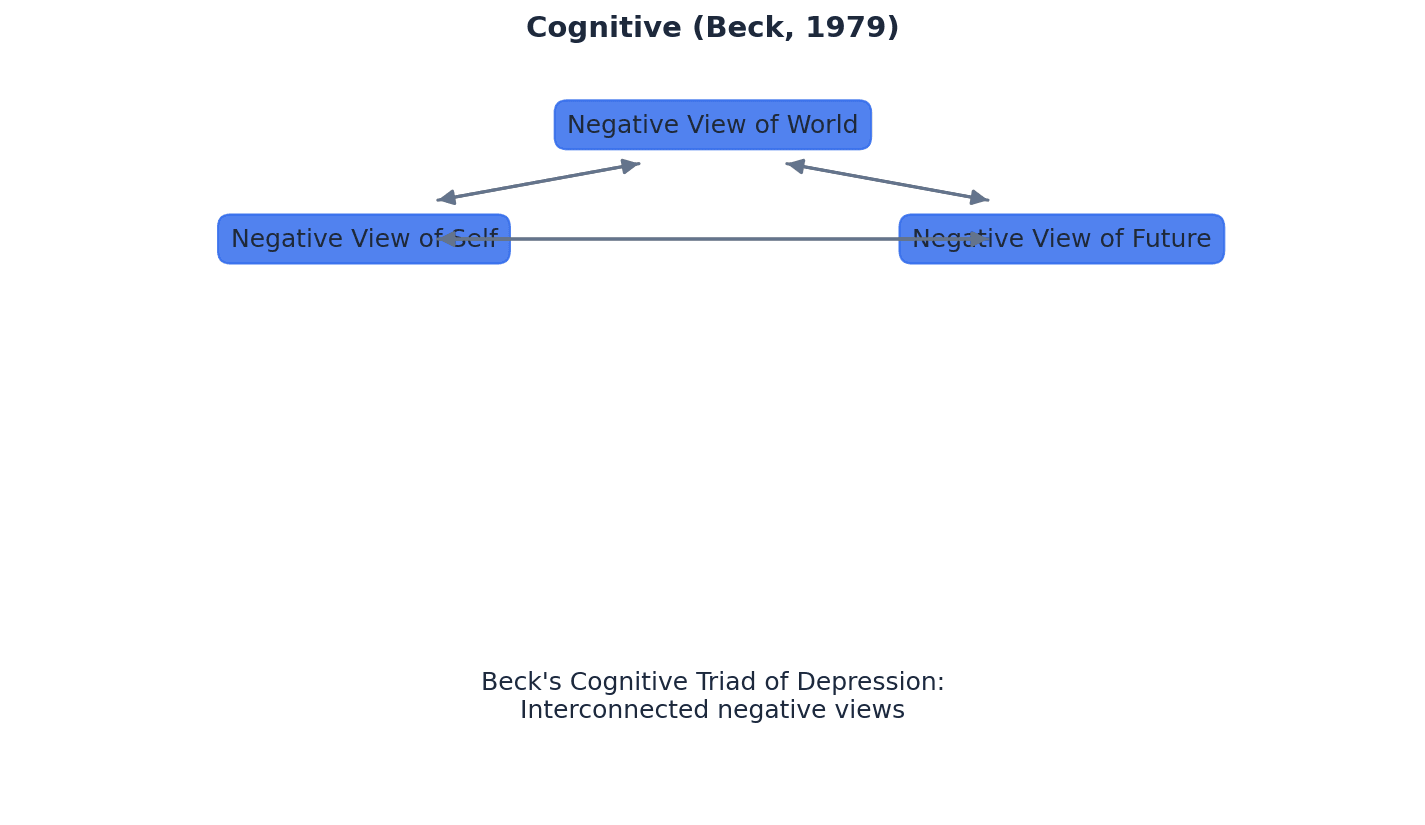
Treatment for depression includes biochemical interventions like MAOIs and SSRIs, which inhibit the breakdown of neurotransmitters to increase their availability. Electro-convulsive therapy is also used. Psychological therapies include cognitive restructuring (Beck, 1979) and Rational Emotive Behavioural Therapy (REBT) (Ellis, 1962), which challenge irrational thoughts.
inhibit — To inhibit means to hinder or prevent, and in neuropsychology, it occurs when a chemical or chemical process is reduced or stopped.
In the context of antidepressants, MAOIs inhibit the enzyme monoamine oxidase, preventing the breakdown of neurotransmitters. This increases the availability of neurotransmitters like serotonin and norepinephrine in the brain, alleviating depressive symptoms. Imagine a dam inhibiting the flow of water; MAOIs inhibit the breakdown of neurotransmitters, allowing more to 'flow' in the brain.
Students often think 'inhibit' means to completely stop a process, but actually it often means to reduce or slow it down significantly.
non-adherence to medication — Non-adherence to medication occurs when a patient goes against a physician’s instructions for drug dosage, for instance by stopping taking their medication.
Non-adherence is a significant challenge in the treatment of mental disorders, often leading to relapse or reduced effectiveness of therapy. It can be caused by unpleasant side effects, lack of perceived need, or stigma. It's like a doctor telling you to take antibiotics for 10 days, but you stop after 3 days because you feel better, even though the infection isn't fully gone.
Students often think non-adherence is always due to patient negligence, but actually it can be influenced by complex factors like side effects, misunderstanding instructions, or lack of support.
chronic — Chronic refers to something that occurs for a long time or is on-going, applicable to a mental or physical disorder, or a course of treatment.
Chronic conditions require long-term management and can have a profound impact on an individual's life, often necessitating different treatment strategies than acute conditions. Understanding chronicity is important for prognosis and care planning. A chronic cough is one that lasts for weeks or months, not just a few days like an acute cough.
Students often think chronic means 'severe', but actually it refers to the *duration* of a condition, not necessarily its intensity, though chronic conditions can be severe.
Impulse control and non-substance addictive disorders involve difficulties in resisting urges or impulses that are harmful to oneself or others, as defined by Griffiths (2005). These disorders can be measured using tools like the Kleptomania Symptom Assessment Scale. Causes include biochemical factors like dopamine imbalances, behavioral factors such as positive reinforcement, and cognitive factors like Miller's (2010) Feeling-State Theory.
opiates — Opiates are a group of powerful drugs historically used as painkillers, many of which are considered high risk for drug abuse.
Opiates can affect the brain's reward system, and some, like nalmefene and naltrexone, are used to treat addictive disorders by blocking opioid receptors, reducing the rewarding effects of compulsive behaviors like gambling. Think of opiates as strong pain relievers, but some can also be used to 'turn down' the pleasure signal in the brain for addictive behaviors.
Students often think all opiates are illegal drugs, but actually some are legitimate prescription medications, though many have high abuse potential.
muscle relaxation — Muscle relaxation is used in therapies to relieve tension from within the body and mind, induced using medication, visualisation exercises or repetition of calming phrases, with progressive muscle relaxation achieved through systematically tensing and relaxing muscles.
Muscle relaxation techniques are often used in cognitive-behavioral therapies to reduce physiological arousal associated with anxiety and compulsive urges. It helps individuals achieve a state of calm, making them more receptive to therapeutic interventions. It's like loosening a tight knot in a rope; muscle relaxation helps release the physical tension in your body.
Students often think muscle relaxation is just about feeling comfortable, but actually it's a therapeutic technique used to reduce physiological stress responses and enhance mental focus.
eye movement desensitisation and reprocessing (EDMR) exercises — EMDR exercises involve the individual recalling problem behaviour or memories while the therapist directs their eye movement in one of several patterns, using their hands or other stimuli.
EMDR is a therapeutic technique used to process distressing memories and reduce their emotional impact. In impulse control therapy, it's used to help clients reprocess feeling-states associated with compulsive behaviors, reducing their intensity. It's like moving your eyes back and forth while thinking about a bad memory, which somehow helps your brain 're-file' it so it's less upsetting.
Students often think EMDR is a magical cure, but actually it's a structured therapeutic process that helps individuals reprocess traumatic or distressing experiences.
Treatment for impulse control and non-substance addictive disorders includes biochemical interventions, such as those studied by Grant et al. (2008), and various cognitive-behavioral therapies. These therapies include covert sensitisation (Glover, 2011), imaginal desensitisation (Blaszczynski & Nower, 2003), and Impulse Control Therapy (Miller, 2010), which often incorporate techniques like muscle relaxation and EMDR exercises.
non-clinical population — A non-clinical population refers to a group not specifically targeted in the study of health, in contrast to a clinical population which is a group of particular interest, such as those with a medical or mental health disorder.
Studying non-clinical populations can help researchers understand the prevalence of certain traits or behaviors in the general public, or to establish baseline data for comparison with clinical groups. It's important for validating assessment tools before use in clinical settings. If you're testing a new diet, a non-clinical population would be healthy people, while a clinical population might be people with diabetes.
Students often think a non-clinical population means people with no health issues at all, but actually it simply means they are not the specific patient group being targeted for a particular disorder.
concurrent validity — Concurrent validity is a way to judge validity by comparing measures of the same phenomenon in different ways at the same time to show that they produce similar results in the same circumstances.
Concurrent validity ensures that a new or existing assessment tool accurately measures what it's supposed to by correlating its results with those of another established and validated measure. High concurrent validity indicates the tool is reliable and useful. If you invent a new thermometer, you'd check its accuracy by comparing its readings to a trusted, old thermometer at the same time.
Students often think concurrent validity is about predicting future outcomes, but actually it's about how well a measure correlates with another measure *at the same time*.
Anxiety disorders are characterized by excessive fear and anxiety, often leading to avoidance behaviors. Phobias are a specific type of anxiety disorder, with examples including specific phobias and social anxiety. Measures like the BIPI and GAD-7 are used for assessment. Explanations for phobias include behavioral (classical conditioning, Watson & Rayner, 1920), psychoanalytic (Freud, 1909), and biomedical/genetic (Öst, 1992) perspectives.
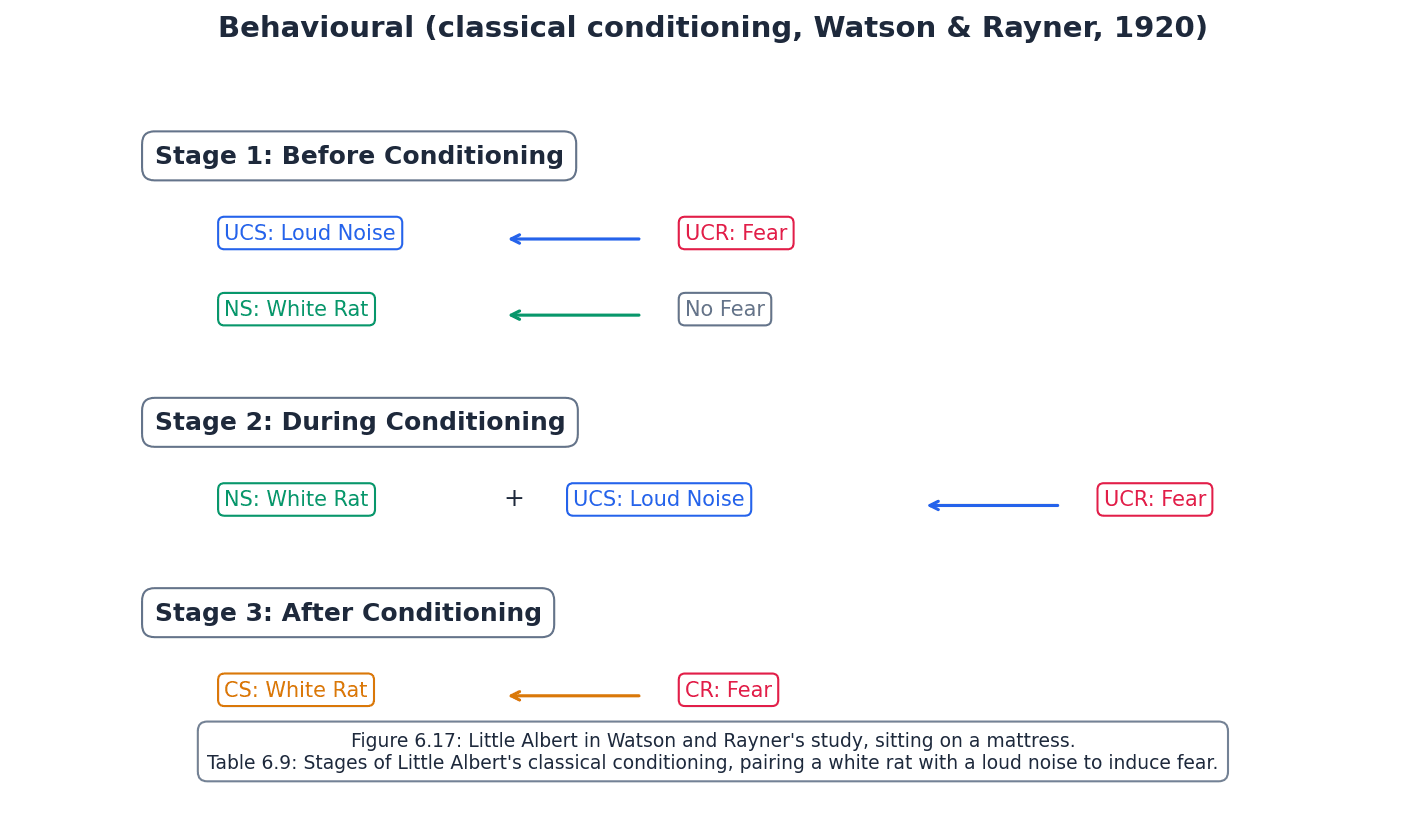
When comparing explanations, ensure you explicitly state similarities and differences, referencing specific theories/studies.
For evaluation questions, provide balanced arguments for both strengths and weaknesses of treatments or explanations, using evidence.
When describing characteristics of disorders, use precise terminology (e.g., 'persecutory ideation' for schizophrenia, 'flat affect').
In 'discuss' questions, explore relevant issues and debates (e.g., classification reliability, reductionism vs. holism).
When asked to 'explain' a treatment, detail the mechanism of action (e.g., how SSRIs work, steps in CBT).
Ensure you link psychological research methods directly to how they are used in the study of abnormality, providing examples from the chapter.
Advantages & Disadvantages
Biochemical Explanations of Schizophrenia (Dopamine Hypothesis)
Cognitive Explanations of Depression (Beck's Theory)
Evaluation Starters
Essay Structure Guide
Introduction
Begin by defining abnormality and briefly outlining the scope of mental health disorders covered in the chapter. State the purpose of the essay, for example, to compare and evaluate different explanations or treatments for a specific disorder.
Conclusion
Summarise the main points of your discussion, reiterating the strengths and weaknesses of the explanations or treatments. Offer a final, nuanced judgment on which approach is most comprehensive or effective, or conclude by emphasizing the importance of an integrated approach to understanding and treating abnormality.
This chapter delves into the psychology of consumer behaviour, exploring how physical and psychological environments, decision-making processes, product characteristics, and advertising influence purchasing. It examines the interplay between situational and individual factors, using research to illustrate key concepts and their real-world applications, while also considering ethical and cross-cultural implications.
statistical analysis — Statistical analysis involves the use of statistical tests which measure the likelihood of differences or relationships in data being due to chance.
This is crucial for determining if observed effects in consumer behaviour studies are genuine or random. It helps researchers draw reliable conclusions from quantitative data, such as differences in spending between groups. Imagine flipping a coin 10 times and getting 7 heads. Statistical analysis helps you figure out if that's just luck or if the coin is actually biased, by calculating the probability of such an outcome happening by chance.
synergistic — Synergistic refers to the interaction of more than one condition which creates a combined effect greater than the sum of either of their effects separately.
In consumer psychology, this means that multiple environmental factors (e.g., classical music and stylish décor) can combine to produce a stronger positive effect on spending than if each factor acted alone. It highlights the importance of holistic design. Think of a band: each musician is good on their own, but when they play together, the music they create is much more powerful and enjoyable than just listening to each instrument separately.
cognitive map — A cognitive map is an internal representation of an external geographical reality sometimes described as a mental map of one’s physical environment.
These mental maps help consumers navigate and make sense of retail environments, influencing their preferences and shopping patterns. Understanding them can inform store layout and design. When you give directions to a friend, you're using your cognitive map of the area, not a precise GPS coordinate system. It includes landmarks and relative distances that are important to you.
multi-dimensional scaling — Multi-dimensional scaling is a statistical technique that can take a range of responses (such as preferences and perceptions) from respondents and present them visually.
This technique helps researchers understand how consumers perceive similarities and differences between products or stores, allowing for a visual representation of complex preference data. It can reveal underlying dimensions of consumer choice. Imagine you have a list of how much people like different types of fruit. Multi-dimensional scaling could plot these fruits on a graph where fruits that are liked similarly are close together, revealing underlying dimensions like 'sweetness' or 'tartness'.
crowding — Crowding is the subjective experience of density.
While density is the objective number of people in a space, crowding refers to the psychological feeling of being too close to others, which can negatively impact shopping satisfaction and behaviour. It's about perception, not just numbers. Being on a packed train during rush hour is high density, but if you feel stressed and uncomfortable, that's crowding. If you're at a lively concert with many people but enjoying it, the density is high, but you might not perceive it as crowding.
human density — Human density is the number of people in a given space.
This is an objective measure that can contribute to the subjective experience of crowding. Researchers manipulate human density to study its effects on consumer emotions and satisfaction in retail environments. If a shop has 50 people in it, that's its human density. Whether those 50 people feel 'crowded' depends on the size of the shop and their individual tolerance.
space syntax — Space syntax is a science-based, human-focused approach that investigates relationships between spatial layout and a range of social, economic and environmental phenomena.
This approach helps analyse how the physical arrangement of a space, like a supermarket, influences human movement patterns, interactions, and ultimately, consumer behaviour. It provides a framework for understanding spatial effects. Think of how the layout of a maze dictates where you can go and how long it takes you to get through it. Space syntax is like analysing the 'maze' of a store to understand how it guides or restricts shopper movement.
primacy–recency effect — The primacy–recency effect is an effect identified in memory research which finds that the items at the beginning of a list and the items at the end of a list are more likely to be recalled than the items from the middle of the list.
In menu design, this principle suggests that items placed at the start or end of a category are more likely to be chosen by customers. This can be exploited to promote high-profit or healthier options. If you're trying to remember a shopping list, you'll probably recall the first few items and the last few items more easily than those in the middle.
heuristics — Heuristics are mental shortcuts that help us make decisions and judgements quickly without having to spend a lot of time researching and analysing information.
Consumers frequently use heuristics to simplify complex purchasing decisions, often leading to quick, intuitive choices. While generally helpful, they can sometimes result in biases or errors in judgment. When you're choosing a brand of cereal, instead of reading all the nutritional labels, you might just pick the one with the familiar packaging or the one your friend recommended – that's a heuristic.
The physical environment significantly impacts consumer behaviour, encompassing elements like retail design, architecture, store layout, music, lighting, colour, and smell. These factors can affect a consumer's mood, arousal levels, and cognitive processes, ultimately influencing their purchasing decisions. Understanding these influences allows for strategic manipulation of environments to encourage specific consumer actions.
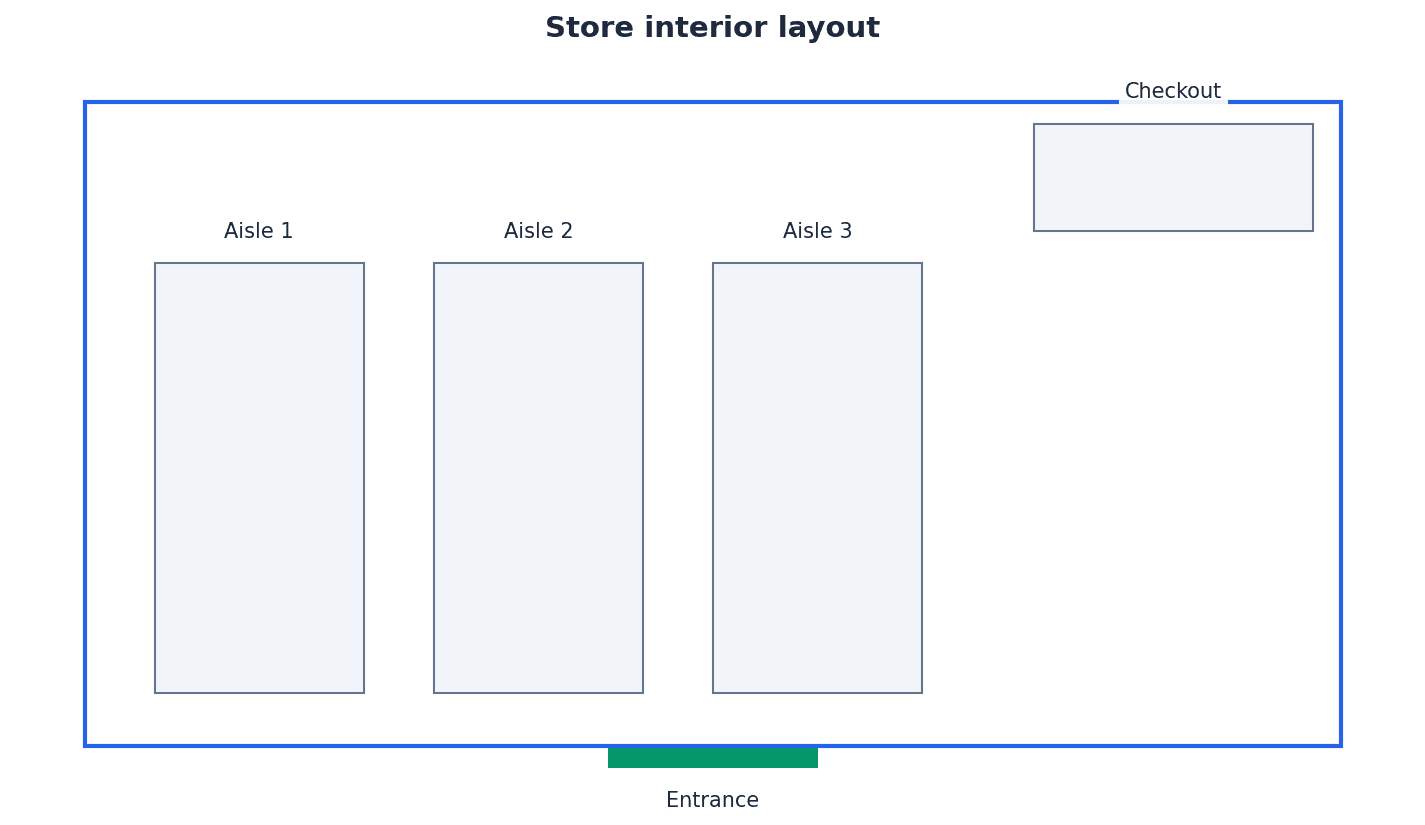
Music and background noise play a crucial role in shaping consumer experiences. For instance, the type of music in restaurants can influence dining duration and spending, while music in open-air markets can affect perceived value. The overall ambience, including sound, can create synergistic effects with other environmental cues, leading to a combined impact greater than the sum of individual elements.
Students often think synergistic effects are just additive, but actually they are multiplicative or exponential, meaning the combined effect is greater than simply adding individual effects.
Beyond sound, visual and olfactory cues are powerful environmental influencers. Lighting and colour in retail stores can evoke specific emotions and direct attention, while ambient odours can affect shopper arousal and emotional states. Models like pleasure–arousal and cognition–emotion help explain how these ambient factors interact to shape consumer responses.

When discussing the 'interaction' of variables, consider if the combined effect is synergistic, as this demonstrates a deeper understanding of how multiple factors influence consumer behaviour.
The psychological environment, distinct from the purely physical, involves how consumers perceive and interpret their surroundings. Cognitive maps, which are internal mental representations of physical spaces, guide navigation and decision-making within retail locations. Understanding these maps can inform store layout to optimize shopper movement and product discovery.
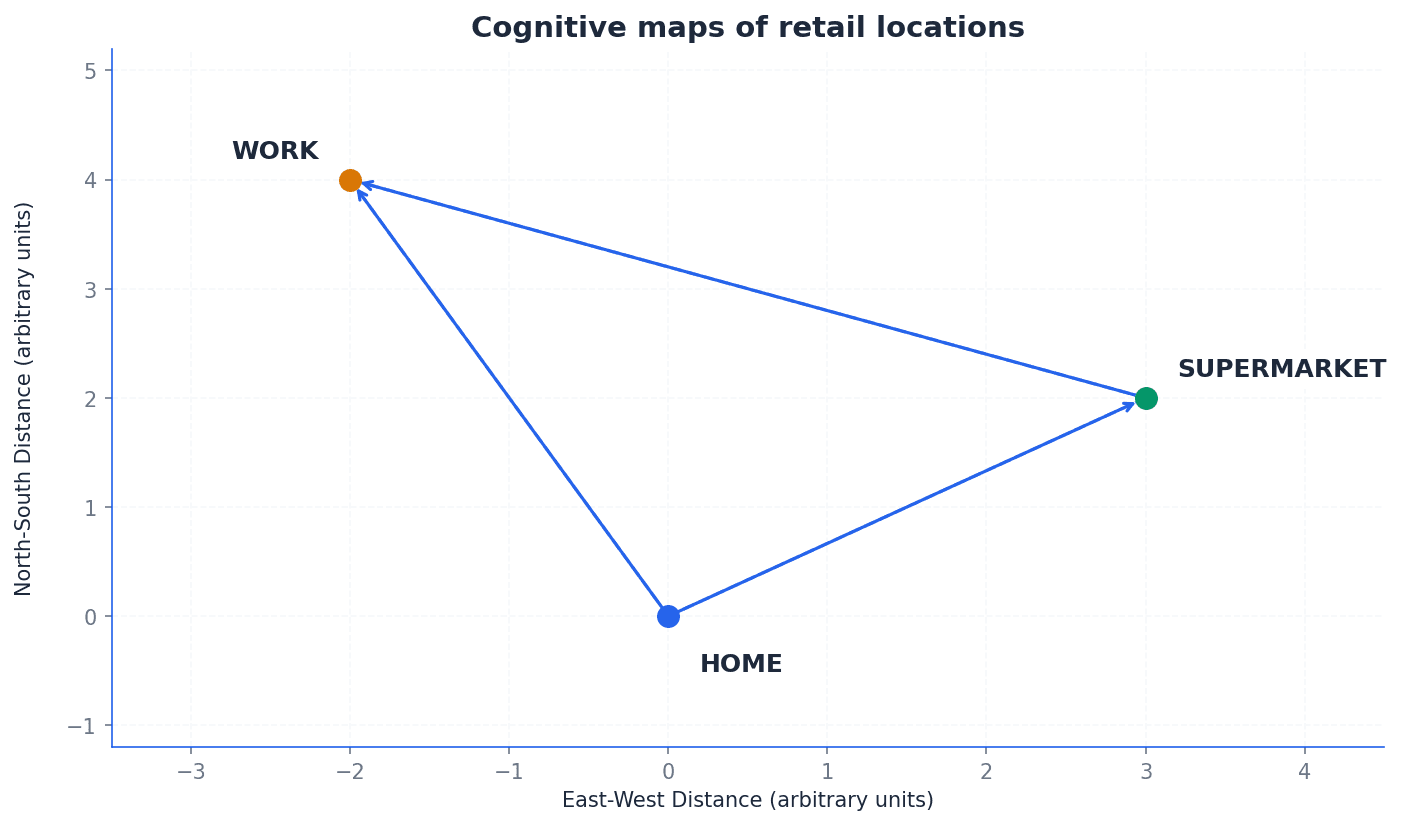
Students often think cognitive maps are exact replicas of physical space, but actually they are subjective, often distorted, and highlight features important to the individual.
When asked about 'environmental influences' on consumers, consider how cognitive maps can explain why certain store layouts or product placements are more effective for navigation and purchasing.
While human density refers to the objective number of people in a space, crowding is the subjective, psychological experience of that density. High levels of perceived crowding can negatively impact shopping satisfaction and lead to altered shopper movement patterns. Space syntax is a method used to analyse how spatial layout influences these movement patterns and interactions within retail environments.
Students often confuse human density with crowding, but density is an objective measure of people in a space, while crowding is the subjective, psychological experience of that density.
When discussing 'environmental factors' affecting consumer behaviour, differentiate between objective measures like 'human density' and subjective experiences like 'crowding' to show nuanced understanding.
Menu design leverages psychological principles to influence customer choices. Eye movement patterns, framing of options, and the primacy–recency effect (where items at the beginning and end of a list are more memorable) are all exploited. Sensory perception and the naming of food items also play a role in making certain dishes more appealing or likely to be chosen.
When asked to 'apply' memory principles to consumer behaviour, the primacy-recency effect is a strong example, particularly in the context of menu or product list design.
Students often think the primacy-recency effect means only the very first and last items are remembered, but actually it refers to a general advantage for items at both extremes of a list compared to the middle.
Consumer decisions are not always rational. Utility theory suggests rational choices based on maximizing utility, but models like satisficing propose consumers often choose 'good enough' options rather than optimal ones. Prospect theory highlights that decisions are often based on perceived gains and losses, rather than absolute values. Consumers employ various strategies, including compensatory, non-compensatory, and partially compensatory approaches.
Students often think that all consumer decisions are rational and logical, but models like satisficing and Prospect theory suggest decisions are often based on 'good enough' outcomes or perceived gains/losses.
Consumers frequently rely on heuristics, which are mental shortcuts, to make quick decisions without extensive analysis. Examples include availability (judging likelihood based on ease of recall), representativeness (judging based on similarity to a prototype), and anchoring (relying heavily on the first piece of information offered). These often lead to pre-cognitive decisions, driven by System 1 (fast, intuitive) thinking, which can be efficient but also prone to biases.
When explaining 'consumer decision-making', discuss specific heuristics (e.g., availability, representativeness) and provide examples of how they influence purchasing choices, rather than just defining the term.
Students often think heuristics are always irrational or lead to bad decisions, but actually they are efficient cognitive tools that are often accurate and necessary for everyday decision-making, though they can sometimes lead to biases.
Students often think that System 1 thinking is always 'wrong', but actually it's an efficient, automatic process that is often correct, though it can lead to biases when statistical or detailed analysis is required.
Manipulating consumer behaviour through environmental and marketing strategies raises significant ethical questions. Issues such as informed consent, potential deception, and the manipulation of vulnerable populations must be carefully considered. Researchers and marketers have a responsibility to ensure that their strategies do not exploit or harm consumers, even through subtle influences.
Students often think that ethical concerns are only relevant for studies involving explicit harm, but subtle manipulations in consumer research (e.g., unconscious influence) also raise questions about informed consent and deception.
When asked to 'evaluate', ensure you discuss both strengths and weaknesses of research methods (e.g., ecological validity vs. control) or theories.
For 'explain' questions, provide clear definitions of terms (e.g., cognitive map, heuristics) and link them directly to consumer behaviour examples.
When discussing ethical implications, consider issues like informed consent, deception, and the potential for manipulation of vulnerable populations.
For application questions, clearly link psychological concepts (e.g., primacy-recency, anchoring) to real-world retail or leisure strategies.
Ensure your answers address the 'why' behind consumer behaviour, not just 'what' happens, by referencing underlying cognitive or emotional processes.
Advantages & Disadvantages
Field Experiments in Consumer Psychology
Manipulating the Physical Environment (e.g., music, smell)
Evaluation Starters
Essay Structure Guide
Introduction
Begin by defining consumer psychology and briefly outlining the scope of factors influencing consumer behaviour (e.g., physical environment, decision-making processes). State your argument or the main points you will cover in relation to the essay question.
Conclusion
Summarise your main arguments, reiterating how various psychological factors interact to influence consumer behaviour. Offer a final, nuanced perspective on the challenges and responsibilities involved in applying consumer psychology research, perhaps touching on the balance between commercial gain and ethical practice.
This chapter delves into health psychology, examining the crucial patient-practitioner relationship, factors influencing adherence to medical advice, and the complex nature of pain. It also explores stress, health promotion strategies, and the misuse of health services, highlighting the interplay of psychological and physiological factors in health outcomes.
interpersonal skills — The abilities we have (or don’t have) that allow us to communicate effectively with others.
These skills are crucial in the patient-practitioner relationship, influencing patient trust, willingness to disclose information, and confidence in the doctor's ability to help. Just like a good teacher needs to communicate clearly and empathetically with students to build trust and facilitate learning, a doctor needs strong interpersonal skills to build rapport and ensure patients feel comfortable sharing their concerns.
adherence — Sticking. 'Adherence to medical advice' means following advice given by a medical practitioner.
Adherence is crucial for the effectiveness of medical treatments, especially for chronic diseases. Non-adherence can lead to increased morbidity, mortality, and healthcare costs. Adherence to medical advice is like following a recipe exactly when baking a cake; if you miss an ingredient or change the steps, the cake might not turn out as expected, or even fail completely.
morbidity — The incidence of a disease across a population and/or geographic location during a predefined timeframe.
Morbidity refers to the state of being diseased or unhealthy within a population. High morbidity rates indicate a significant health burden, and non-adherence to medical advice can contribute to increased morbidity. If a school has a high number of students catching the flu each winter, that's a high morbidity rate for the flu in that school population.
mortality — The rate of death in a population.
Mortality refers to the number of deaths in a given population over a specific period. Non-adherence to medical advice, particularly for serious conditions, can lead to increased mortality rates. If a severe heatwave causes a significant increase in deaths among the elderly in a city, that would contribute to a higher mortality rate for that demographic during that period.
Students often confuse morbidity (incidence of disease) with mortality (rate of death). Remember, morbidity refers to illness or disease incidence, while mortality refers to death rates.
When asked to 'explain' the consequences of non-adherence, clearly distinguish between morbidity (illness) and mortality (death) and provide examples of how non-adherence impacts both.
The effectiveness of healthcare is significantly influenced by the patient-practitioner relationship. This relationship is shaped by both the practitioner's and patient's interpersonal skills, including verbal and non-verbal communication. Effective communication, as explored by studies like McKinstry & Wang (1991) on non-verbal cues and Ley (1988) on verbal communication, is crucial for building trust and ensuring patients feel comfortable disclosing information.
When asked to 'evaluate' the role of interpersonal skills, consider both verbal (e.g., language clarity) and non-verbal (e.g., clothing, body language) aspects, and link them to patient outcomes like satisfaction and adherence.
Students often think interpersonal skills are just about being 'nice', but actually they involve specific verbal and non-verbal communication techniques that can be learned and improved.
Practitioner style can vary from doctor-centred to patient-centred approaches, as studied by Byrne & Long (1976) and Savage & Armstrong (1990). In diagnosis, practitioners can make Type I or Type II errors. A Type I error, or false positive, occurs when an illness is declared when one does not exist, leading to unnecessary anxiety and treatment. Conversely, a Type II error, or false negative, is declaring a person well when they are ill, which can delay crucial treatment.
Type I error — A Type I error, or false positive, is declaring an illness when one does not exist.
This error occurs when a diagnostic test or doctor incorrectly identifies a healthy patient as having an illness. It can lead to unnecessary anxiety, further testing, and potentially harmful treatments for the patient. It's like a fire alarm going off when there's no fire; it's a false positive signal.
Type II error — A Type II error, or false negative, is declaring that a person is well when he or she is ill.
This error occurs when a diagnostic test or doctor incorrectly identifies an ill patient as being healthy. It can lead to delayed or missed treatment, allowing the illness to progress and potentially worsen the patient's prognosis. It's like a fire alarm failing to go off when there actually is a fire; it's a false negative signal.
Students often confuse Type I and Type II errors. Remember, Type I is 'false positive' (incorrectly saying 'yes' to illness), while Type II is 'false negative' (incorrectly saying 'no' to illness).
When asked to 'compare' Type I and Type II errors, clearly define each and discuss their distinct consequences for the patient and healthcare system (e.g., unnecessary treatment for Type I, delayed treatment for Type II).
Patients can misuse health services in various ways, including delays in seeking treatment and conditions like hypochondriasis and Munchausen syndrome. Safer et al. (1979) identified three stages of delay: appraisal delay, illness delay, and utilisation delay, each influenced by different psychological and practical factors. Understanding these delays is crucial for promoting timely healthcare access.
Appraisal delay — The first stage of delay, defined as the number of days that elapsed from the day the patient first noticed their symptom up to the day they concluded they were ill.
This initial delay is influenced by factors such as the severity of pain (reducing delay) and researching symptoms (increasing delay). It reflects the time taken for an individual to interpret their bodily sensations as indicative of illness. It's like noticing a strange noise in your car but not immediately thinking it's a serious problem until a few days later when it gets louder and you realize it's an engine issue.
Illness delay — The second stage of delay defined as the number of days from the end of appraisal delay, when the patient concluded they were ill, up to the day when they decided to seek professional help.
This stage involves the decision-making process after recognizing illness. Factors like an increase in symptoms (reducing delay) or negative images about the outcome (increasing delay) can influence its length. After realizing your car noise is an engine problem (appraisal delay ends), illness delay is the time you spend debating whether to take it to a mechanic or try to fix it yourself before finally deciding to call for professional help.
Utilisation delay — The final stage of delay – defined as the number of days from the end of illness delay, the point at which the patient decided to seek professional help, to the time of the interview, when the patient was actually seen in the clinic.
This delay is influenced by practical and perceived barriers to accessing care, such as concerns about cost (increasing delay) or belief in curability (reducing delay). It represents the logistical and motivational hurdles to receiving treatment. After deciding to take your car to the mechanic (illness delay ends), utilisation delay is the time it takes to actually book the appointment, get the car there, and have it seen, which might be delayed by cost concerns or scheduling difficulties.
When analyzing 'delay in seeking treatment', clearly distinguish between appraisal, illness, and utilisation delays, and identify specific factors that influence each stage, as per Safer et al.
hypochondriasis — A persistent fear of having a serious medical illness.
Individuals with hypochondriasis misinterpret normal bodily sensations or minor symptoms as signs of severe disease, despite medical reassurance. It is often accompanied by other anxiety disorders and involves a cycle of perceived threat, apprehension, and checking behaviours. It's like constantly checking your phone for notifications even when you know there aren't any, but every slight vibration or sound makes you fear you've missed something critical.
Students often think hypochondriasis is about faking illness, but actually the fear and preoccupation are genuine, even if the underlying physical illness is not present or is minor.
Non-adherence to medical advice can take various forms and poses significant problems, including increased morbidity and mortality. Patients may not adhere for rational reasons, as suggested by Bulpitt (1994), where they weigh the perceived costs and benefits of following advice. The Health Belief Model (Becker, 1974) provides a framework for understanding why individuals engage in preventative health behaviours, considering perceived threat and cost-benefit analysis.
rational — Based on or in accordance with reason or logic.
In the context of health psychology, rational non-adherence suggests that patients make reasoned decisions about not following medical advice by weighing the perceived costs and benefits of adherence. If the costs outweigh the benefits, they rationally choose not to adhere. Deciding not to buy a new phone because its high cost outweighs the perceived benefits of its new features, even if it's a good phone, is a rational decision based on a cost-benefit analysis.
Students often think non-adherence is always due to patient negligence, but actually it can be a rational decision based on a cost-benefit analysis, or due to unclear instructions or inaccessible treatment programs.
Health Belief Model — A model that aims to predict when a person will engage in preventative health behaviours such as stopping smoking, taking up exercise, attending check-ups and yearly screening tests.
According to this model, the likelihood of an individual following medical advice depends on their assessment of the perceived threat of illness (seriousness, susceptibility, cues to action) and a cost-benefit analysis of the recommended action (perceived benefits vs. barriers). Deciding whether to get a flu shot involves the Health Belief Model: you consider how likely you are to get the flu (susceptibility), how bad it would be if you did (seriousness), if you've seen others get sick (cues to action), and if the benefits of the shot outweigh the discomfort or cost (cost-benefit analysis).
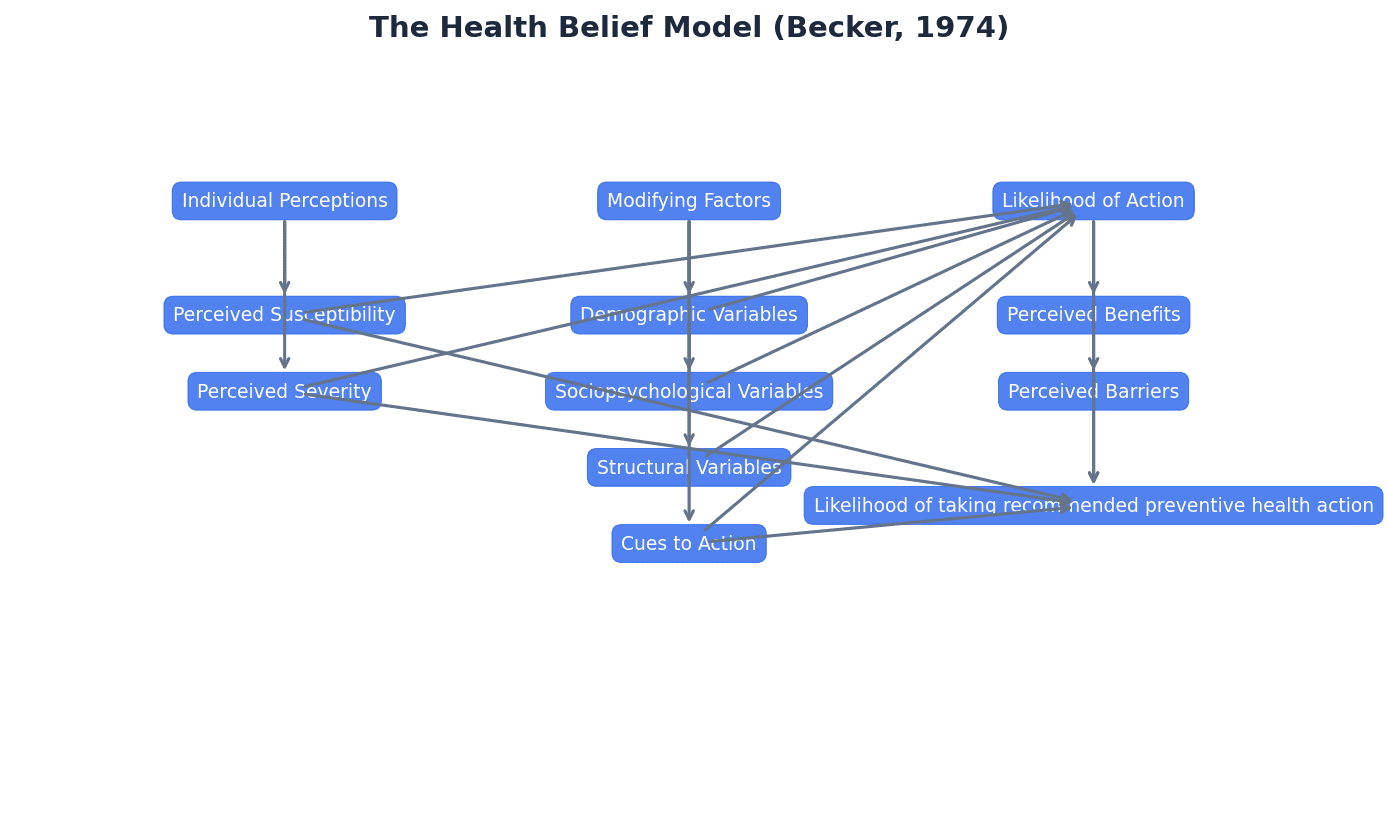
When applying the Health Belief Model, ensure you clearly identify and explain each component (perceived susceptibility, seriousness, benefits, barriers, cues to action) and how they interact to influence health behaviour. Use specific examples from the chapter.
Adherence can be measured using subjective methods like self-reports (Riekart & Droter, 1999), which are prone to social desirability bias, or objective methods such as pill counting (Chung & Naya, 2000), biochemical tests (Roth, 1978), and repeat prescriptions (Sherman et al., 2000). Strategies to improve adherence include enhancing practitioner style and employing behavioural techniques, such as using reinforcers like monetary incentives (Yokley & Glenwick, 1984) or making medication more engaging, as seen with the Funhaler (Watt et al., 2003).
socially desirable — Responding to a question in a way that you feel is expected by the researcher or socially accepted.
This is a type of response bias in self-report measures where participants alter their answers to present themselves in a positive light, rather than providing honest information. It can significantly affect the validity of data, especially in sensitive areas like adherence to medical advice. When a teacher asks if everyone did their homework, a student who didn't might say 'yes' to avoid looking bad, even if it's not true. That's a socially desirable response.
Students often think self-report measures are always accurate, but they are susceptible to social desirability bias, where patients may lie or alter responses to appear compliant.
reinforcers — Something that encourages the replication of a desired behaviour.
Reinforcers can be external (like money), internal (a positive feeling), or vicarious (observing others). In health psychology, they are used in behavioural techniques to increase adherence to medical requests, such as monetary incentives for immunisation or making medication fun. Giving a child a sticker for tidying their room is a reinforcer; it makes them more likely to tidy their room again in the future.
When discussing 'improving adherence', ensure you link specific strategies (e.g., prompts, incentives, simplifying regimens) to psychological principles (e.g., operant conditioning, social learning theory) and evaluate their effectiveness.
target population — A target population is the group of people that a researcher is interested in investigating.
The sample for a study is drawn from the target population, and the findings are intended to be generalised back to this larger group. Defining the target population is crucial for determining the representativeness and generalisability of research. If a researcher wants to study the reading habits of teenagers, the 'target population' would be all teenagers, and they would then select a 'sample' of teenagers from that group to participate in their study.
Pain can be categorised as acute (short-term) or chronic (long-term) organic pain. Early theories like Descartes' Specificity Theory proposed a direct link between noxious stimuli and pain intensity. However, Melzack's (1965) Gate Control Theory offers a more comprehensive explanation, suggesting that pain perception is modulated by 'gates' in the spinal cord, influenced by both sensory input and psychological factors like attention and emotions. The concept of neuromatrix further explains phenomena like phantom limb pain.
nociception — The encoding and processing of harmful stimuli in the nervous system, and, therefore, the ability of a body to sense potential harm.
Nociception is the physiological process by which noxious stimuli are detected by sensory neurons (nociceptors) and transmitted to the brain. It is distinct from the subjective experience of pain, which involves psychological factors. Nociception is like the smoke detector in your house; it detects smoke (harmful stimulus) and sends a signal. Pain is like your brain interpreting that signal and deciding if there's a fire, how big it is, and how to react.
noxious — Harmful, poisonous, or very unpleasant.
In the context of pain, a noxious event or stimulus is one that is damaging or potentially damaging to body tissues, triggering nociceptors. The intensity of a noxious event was once thought to directly correlate with pain intensity. Touching a hot stove is a noxious stimulus because it's harmful and unpleasant, triggering a pain response.
Gate Control Theory — A theory that suggests pain perception is a combination of sensory experience and psychological gates that can increase or decrease the perception of pain.
Proposed by Melzack, this theory argues that nerve impulses producing pain pass through 'gates' in the spinal cord, which can be opened or closed by both ascending sensory signals and descending messages from the brain, as well as other information like attention and emotions. Imagine a gatekeeper at a castle (the spinal cord) deciding which messages (pain signals) get through to the king (the brain). The gatekeeper can be influenced by the urgency of the message itself (sensory input) and by orders from the king or other advisors (psychological factors like attention or emotion).
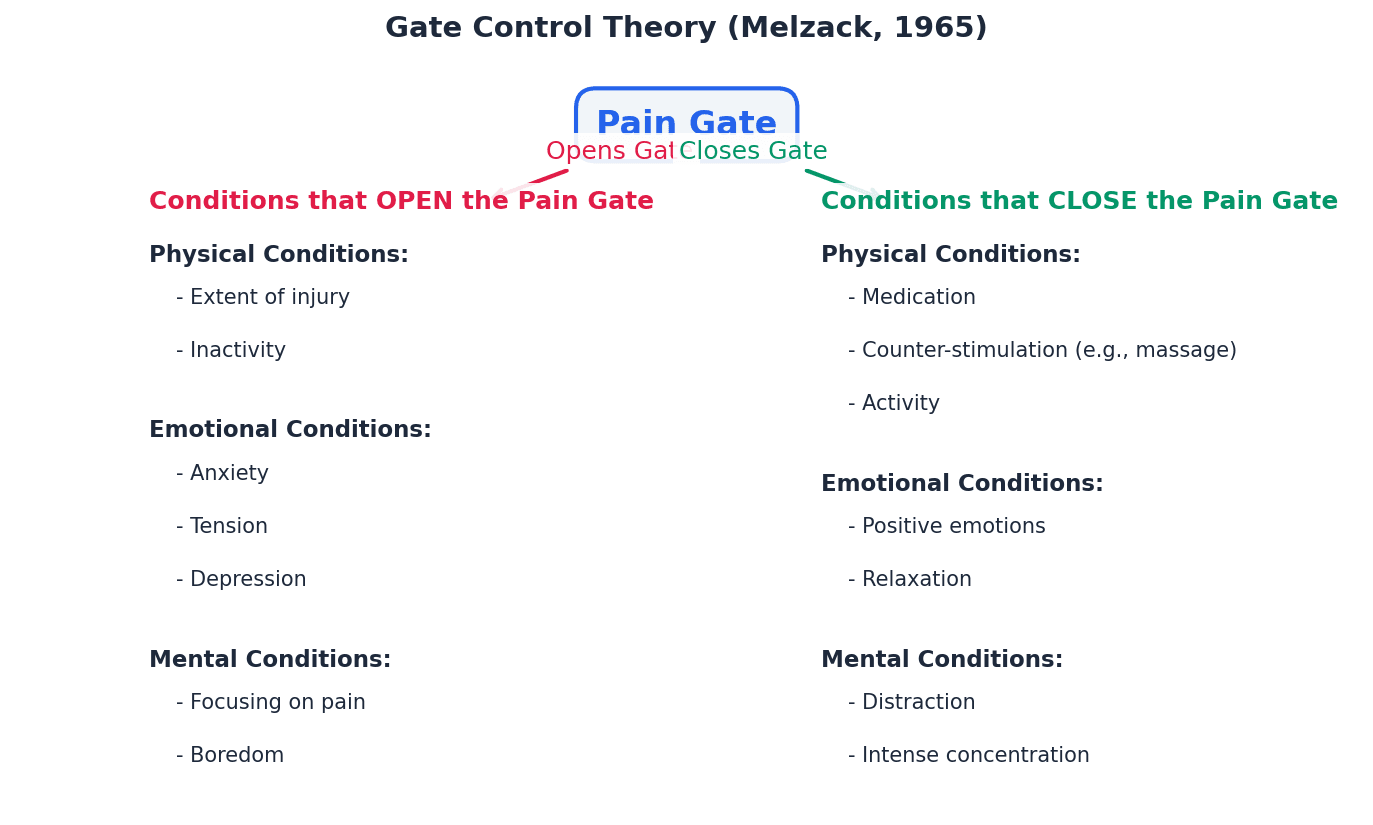
When explaining 'Gate Control Theory', clearly outline how both physiological (nerve impulses) and psychological (emotions, attention) factors interact to open or close the 'gate' and thus influence pain perception. Provide examples of conditions that open/close the gate.
neuromatrix — A network of neurons in the brain that responds to information from the senses and also generates a characteristic pattern of impulses that indicate that the body is whole and is also your own.
Melzack proposed the neuromatrix to explain phantom limb pain, suggesting it creates a 'neurosignature' or mental hologram of the body. Even if a limb is removed, the neuromatrix continues to generate this neurosignature, leading to sensations, including pain, from the missing limb. Think of the neuromatrix as your brain's internal 'body map' or blueprint. Even if a part of the physical building (limb) is removed, the blueprint (neuromatrix) still exists and can generate sensations related to that missing part.
Students often think phantom limb pain is purely psychological or 'in the mind' in a dismissive way, but actually the neuromatrix theory provides a physiological basis for this real pain experience within the brain.
Measuring pain involves both self-report and observational techniques. Self-report measures include clinical interviews and psychometric tools like the visual analogue scale (VAS) and the McGill Pain Questionnaire, which yields a Pain Rating Index (PRI). Behavioural and observational methods also provide insights into pain expression, offering a multi-dimensional assessment of this subjective experience.
visual analogue scale (VAS) — A tool that is used to measure a characteristic, attitude or feeling across a continuum of values.
The VAS typically consists of a 100mm line with descriptors at each end representing the extremes of a feeling (e.g., 'no pain' to 'worst pain possible'). Patients mark their current level on the line, allowing for a quantifiable and continuous measure of subjective experiences like pain intensity. Imagine a dimmer switch for a light; instead of just 'on' or 'off', you can choose any level of brightness in between. A VAS is like that dimmer switch for measuring feelings, allowing for a continuous range of responses.
Pain Rating Index (PRI) — A score calculated from the McGill Pain Questionnaire based on the words chosen by patients to describe their pain.
The PRI quantifies pain by assigning numerical values to the words selected by patients from different categories (sensory, affective, evaluative) on the McGill Pain Questionnaire. This provides a comprehensive, multi-dimensional measure of pain experience. If you're rating a restaurant, you might give scores for food quality, service, and ambiance. The PRI is similar, combining scores from different 'dimensions' of pain to give an overall index.
When asked to 'describe' methods of measuring pain, explain how a VAS works, including its typical length and how a score is calculated, and highlight its advantage in capturing continuous subjective data.
For 'evaluate' questions on measuring adherence, discuss both strengths (e.g., objectivity of biochemical tests) and weaknesses (e.g., social desirability in self-reports).
When explaining theories (e.g., Gate Control Theory), ensure you describe the key components and how they interact.
For 'discuss' questions on the patient-practitioner relationship, include both practitioner and patient factors, citing studies like Byrne & Long (1976) or Ley (1988).
Ensure you differentiate clearly between acute and chronic pain, providing examples for each.
Advantages & Disadvantages
Measuring Adherence via Self-Reports
Gate Control Theory of Pain
Evaluation Starters
Essay Structure Guide
Introduction
Begin by defining key terms relevant to the question (e.g., adherence, pain, patient-practitioner relationship) and briefly outlining the scope of your essay. State your main argument or the aspects you will be evaluating.
Conclusion
Summarise your main arguments without introducing new information. Reiterate your overall stance or the most significant findings. Offer a final thought on the importance of psychological understanding in health and healthcare, or suggest future directions for research/practice.
This chapter delves into organisational psychology, exploring theories of motivation, leadership styles, and group dynamics within the workplace. It also examines how various work conditions impact employee well-being and productivity, integrating psychological approaches to understand behaviour in organisations.
projective test — A personality test that uses ambiguous stimuli such an ink blots or the Thematic Apperception Test images discussed here.
The response given to the stimuli is thought to reveal hidden emotions and conflicts which the individual projects onto the image. These tests are widely used, often in clinical contexts, but are subjective and can have low reliability and validity. Imagine looking at a cloud and seeing a specific animal or object; a projective test is similar, where your interpretation of an ambiguous image is believed to reveal something about your inner thoughts or personality.
maturity — In this context is the capacity to set high but attainable goals, willingness and ability to take responsibility for the task, and relevant education and/or experience of an individual or a group for the task.
This concept is central to Hersey and Blanchard's Situational Theory of Leadership, where an effective leader adapts their style to the maturity level of their followers. Maturity is task-specific, meaning a person can be highly mature for one task but low for another. Think of teaching a child to ride a bike: a very young child (low maturity) needs 'telling' (high direction, low support), while an older child who knows how to balance (high maturity) might just need 'delegating' (low direction, low support) for a new route.
social desirability bias — Trying to present oneself in the best light by determining what a test is asking.
This bias can affect the validity of psychometric tests like the LPC scale, as individuals may answer in a way they believe is socially acceptable or desirable rather than truthfully. It makes it difficult to get an accurate measure of personality characteristics. When you fill out a survey asking if you always follow traffic laws, you might say 'yes' even if you sometimes speed, because you want to appear as a good driver. This is social desirability bias.
Motivation Equation (Vroom's Expectancy Theory)
Used to calculate an individual's motivation based on their perceptions of effort-performance, performance-reward, and the value of the reward. If any one factor is low, overall motivation will be low.
Motivation to work is a core area of organisational psychology. Maslow's Hierarchy of Needs proposes a five-tier model where needs must be satisfied in a specific order, from physiological to self-actualisation. Alderfer's ERG theory condenses these into Existence, Relatedness, and Growth needs, allowing for simultaneous motivation by multiple needs and movement between levels. McClelland's Theory of Achievement Motivation focuses on three learned needs: achievement (nAch), affiliation (nAff), and power (nPow), which significantly influence an individual's work motivation.
Students often think that needs in Maslow's hierarchy must be satisfied in a strict linear order, but Alderfer's ERG theory suggests people can be motivated by multiple needs simultaneously and can move between levels.
Beyond need-based approaches, cognitive theories offer further insights into motivation. Goal Setting Theory posits that specific, challenging goals, coupled with appropriate feedback, lead to higher performance. Expectancy Theory, as shown by Vroom's equation, suggests motivation is a product of an individual's belief that effort leads to performance (expectancy), performance leads to reward (instrumentality), and the value placed on that reward (valence). Equity Theory focuses on an individual's perception of fairness in the ratio of their inputs to outputs compared to others, influencing their motivation.
Leadership involves inspiring and guiding individuals and groups, distinct from management which often focuses on maintaining systems and processes. Theories of leadership range from universalist approaches, which identify common traits or behaviours of effective leaders, to adaptive and situational models. These modern theories, such as Fiedler's Contingency Theory and Hersey and Blanchard's Situational Theory, emphasise that effective leadership depends on adapting one's style to the specific context and the maturity level of followers.
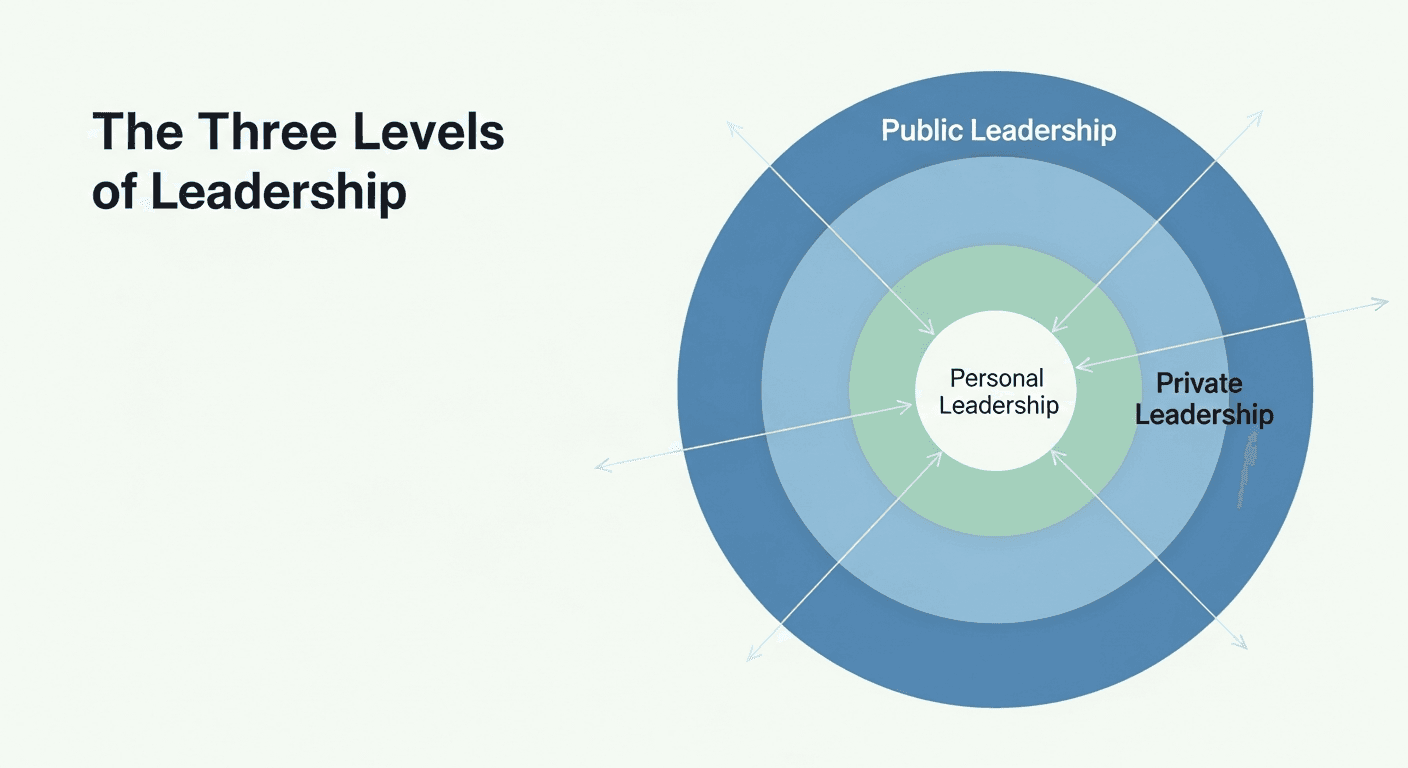
Students may confuse leadership with management, but leadership is about inspiring and guiding, while management often involves maintaining systems and processes.
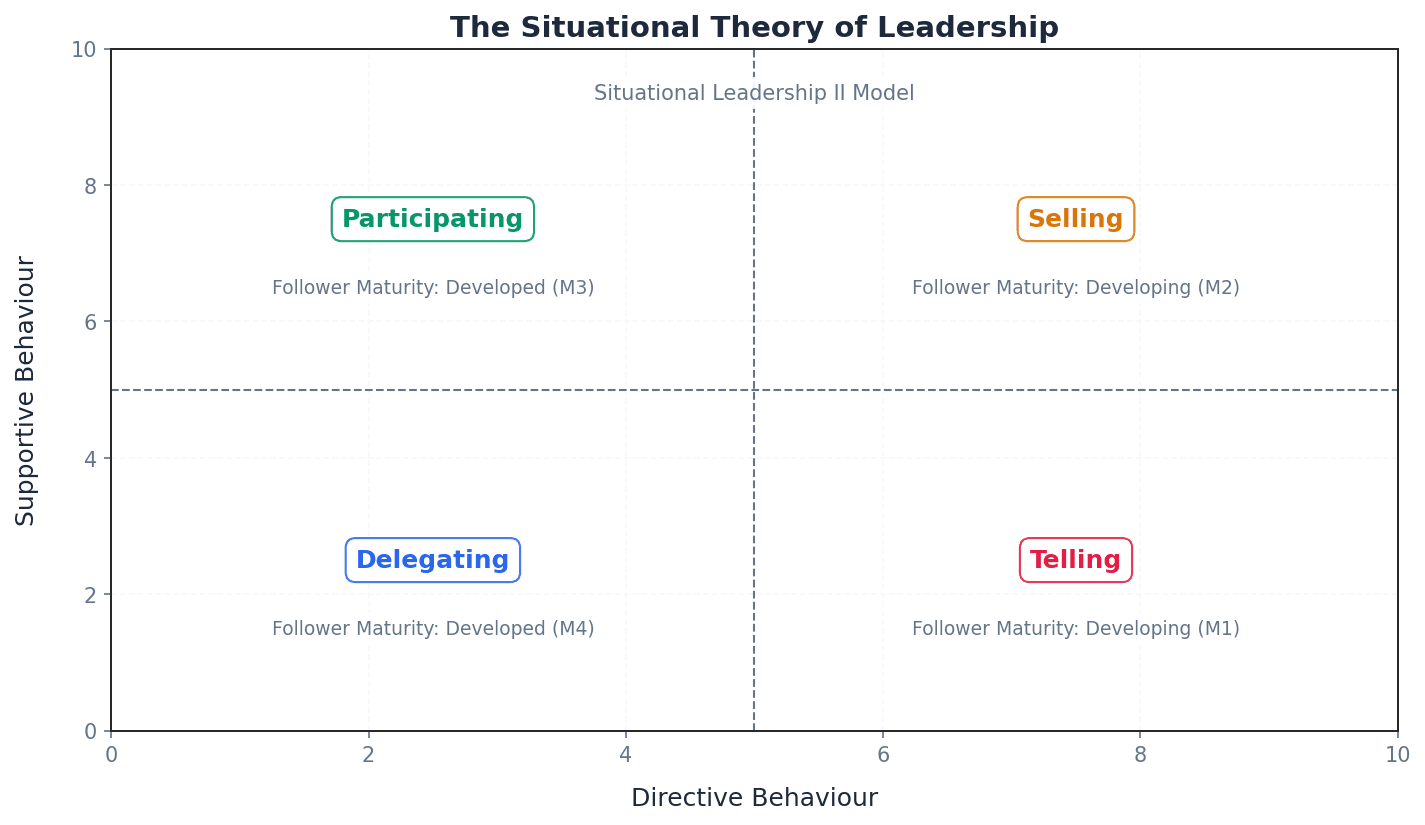
When applying 'maturity' in an exam, ensure you link it directly to the specific task and the follower's competence and commitment, not just their general disposition.
When evaluating psychometric tests, always consider social desirability bias as a potential weakness, explaining how it can compromise the validity of self-reported data.
Organisations are heavily influenced by group dynamics, including how groups develop and make decisions. Tuckman's stages describe group development as progressing through forming, storming, norming, performing, and adjourning. Belbin's Theory of Team Roles identifies nine distinct roles that contribute to team effectiveness. Group decision-making can be susceptible to phenomena like groupthink, where the desire for conformity overrides realistic appraisal of alternatives, and various cognitive biases.
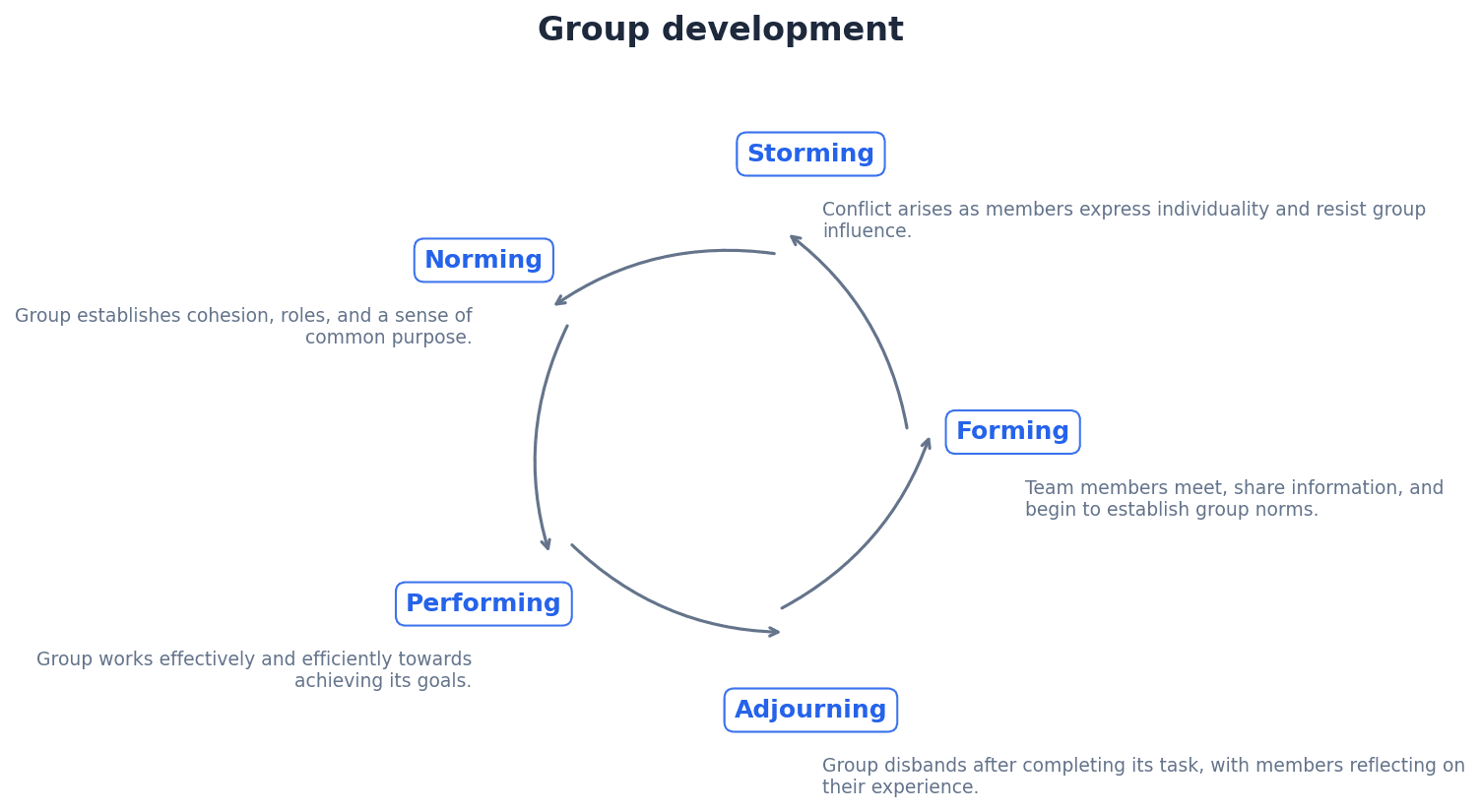
Students often assume that all conflict is negative, but conflict can have positive effects such as producing change, strengthening group unity, and preventing groupthink.
Various work conditions significantly impact employee health, productivity, and well-being. The Hawthorne Studies highlighted the impact of physical and psychological factors, though the 'Hawthorne effect' itself is debated, with other variables like incentive pay or fear of job loss potentially playing a role. Issues like bullying at work, the design of office environments (e.g., open-plan), and temporal conditions such as shift work can have profound effects on employees, influencing health, safety, and overall organisational effectiveness.
Students might believe that the Hawthorne effect definitively proves that attention alone increases productivity, but other variables like incentive pay or fear of job loss were significant factors.
Students often think that bullying is solely due to individual personality flaws, but significant psycho-social or situational factors, such as deficiencies in work design or leadership, also promote bullying.
When asked about projective tests, remember to discuss both their use in revealing hidden emotions (strength) and their subjectivity, low reliability, and validity (weaknesses).
When asked to 'describe' theories, provide clear definitions of key terms and outline the main components of each theory.
For 'evaluate' questions, present both strengths and weaknesses of theories or approaches, using evidence or logical reasoning.
When discussing leadership, differentiate between universalist/behavioural theories and adaptive/situational models, providing examples for each.
In questions about group behaviour, ensure you reference specific models like Tuckman's stages or Belbin's roles, and explain their relevance.
For questions on work conditions, link specific conditions (e.g., shift work, open-plan offices) to their psychological and physiological impacts on employees and productivity.
Advantages & Disadvantages
Maslow's Hierarchy of Needs
Hersey and Blanchard's Situational Theory of Leadership
Evaluation Starters
Essay Structure Guide
Introduction
Begin by defining organisational psychology and briefly outlining the scope of the essay, mentioning the key areas (e.g., motivation, leadership, group dynamics, work conditions) that will be discussed. State your main argument or the focus of your evaluation.
Conclusion
Summarise the main points discussed, reiterating how various psychological approaches contribute to understanding individual and group behaviour in organisations. Offer a final, concise evaluative statement on the complexity and multifaceted nature of organisational psychology.
Generated by Nexelia Academy · nexeliaacademy.com