
Researchers are interested in the psychological impact of natural disasters. They plan to compare the stress levels of individuals who have recently experienced a major earthquake with those living in a similar region that has not experienced an earthquake. This study would be considered a natural experiment. (a) Identify two key characteristics of a natural experiment. [4] (b) Discuss the main difference between a natural experiment and a laboratory experiment, including how this impacts the researcher's control over variables. [6]
A psychologist is interested in studying the long-term effects of a rare neurological condition on cognitive development. Due to the rarity of the condition, only a few individuals are available for study. The psychologist decides to use a case study approach, collecting extensive data from these individuals over several years, including interviews with family members, medical records, and observations of their daily functioning. (a) Evaluate the use of case studies in psychological research, including a discussion of their strengths and weaknesses. [10]
Fig 1.4 shows a series of four facial expressions (A, B, C, D), ranging from neutral (A) to very happy (D). (a) Propose a directional hypothesis for a study using these facial expressions to investigate whether individuals on the autistic spectrum differ from neurotypical individuals in identifying the happiest face. [4] (b) Explain how a researcher would operationalise the dependent variable (identifying the happiest face) and how the four facial expressions would be presented to ensure standardisation. [4] (c) Discuss one ethical consideration relevant to conducting research with participants on the autistic spectrum using these stimuli, specifically focusing on informed consent or the right to withdraw. [4]
A team of psychologists is investigating children's play behaviour. They set up a room with various toys and observe children interacting with them. (a) Describe two features of a controlled observation. [4] (b) Explain one strength and one weakness of using a controlled observation in psychological research. [5]
A psychologist conducted an experiment to investigate whether drinking a sugary drink improved reaction time. Participants were given either a sugary drink or a sugar-free drink, and then their reaction time to a visual stimulus was measured using a computer program. (a) Define the term 'independent variable'. [2] (b) Identify the independent variable in this study. [2] (c) Explain how the dependent variable could be measured in this study. [4]
A psychologist is designing an experiment to investigate the effect of a new teaching method on student performance in a history exam. (a) Discuss the advantages and disadvantages of using a directional hypothesis compared to a non-directional hypothesis in this experiment. [6] (b) Suggest a null hypothesis for a study investigating whether listening to classical music affects concentration levels during a maths test. [4]
A psychologist conducted a case study on a patient with a rare neurological condition, collecting extensive data through interviews, observations, and medical records over several years. (a) Discuss why case studies often produce qualitative data. [4] (b) Evaluate the use of case studies in psychological research, including a consideration of generalisability. [6]
Before conducting any psychological research, it is essential for researchers to clearly define their objectives. (a) Distinguish between an aim and a hypothesis in psychological research. [3] (b) Explain why it is important for a researcher to clearly state the aim of their study before conducting the research. [4]
A psychologist wants to recruit participants for a study investigating the effects of sleep deprivation on cognitive performance. They decide to use volunteer (self-selected) sampling by placing advertisements in local community centres and online forums. (a) Evaluate the use of volunteer (self-selected) sampling in psychological research, including its strengths and weaknesses. [6] (b) Suggest two ways a researcher could try to minimise the weaknesses of volunteer (self-selected) sampling. [4]
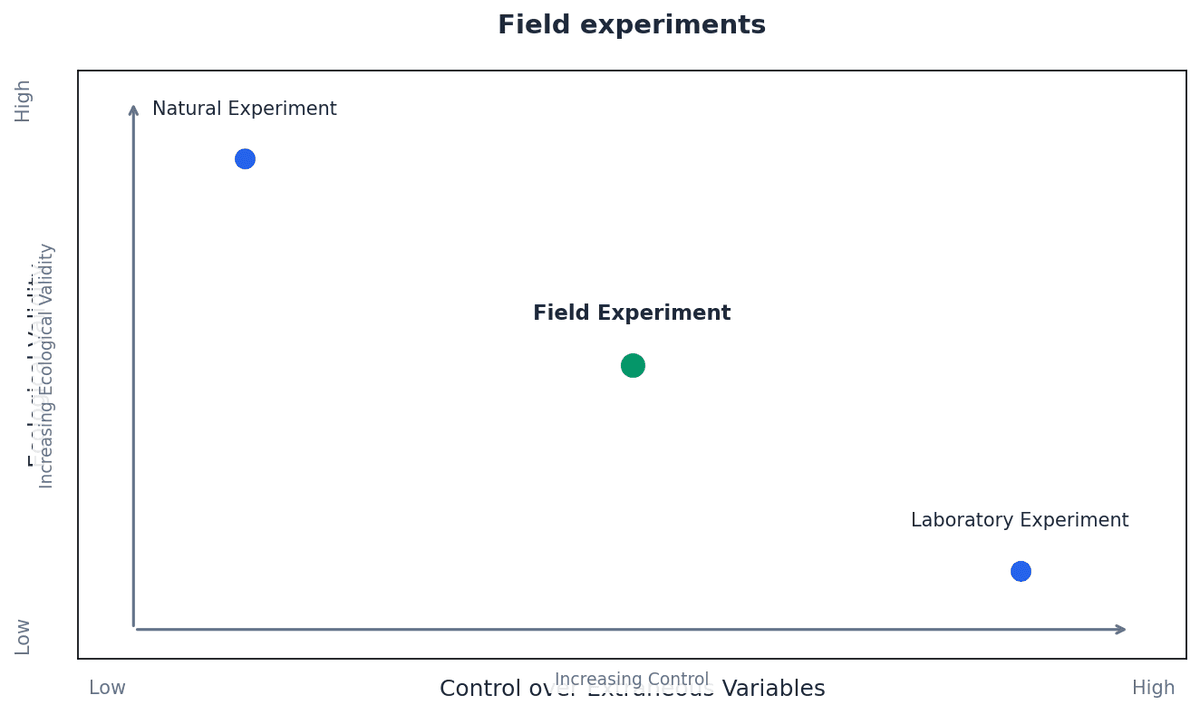
Fig 1.1 shows a conceptual diagram illustrating the spectrum of experimental control and ecological validity for different types of experiments. (a) Discuss the ethical considerations a researcher must take into account when conducting a field experiment, using a specific example. [6] (b) Evaluate the strengths and weaknesses of using a field experiment compared to a laboratory experiment. [6]
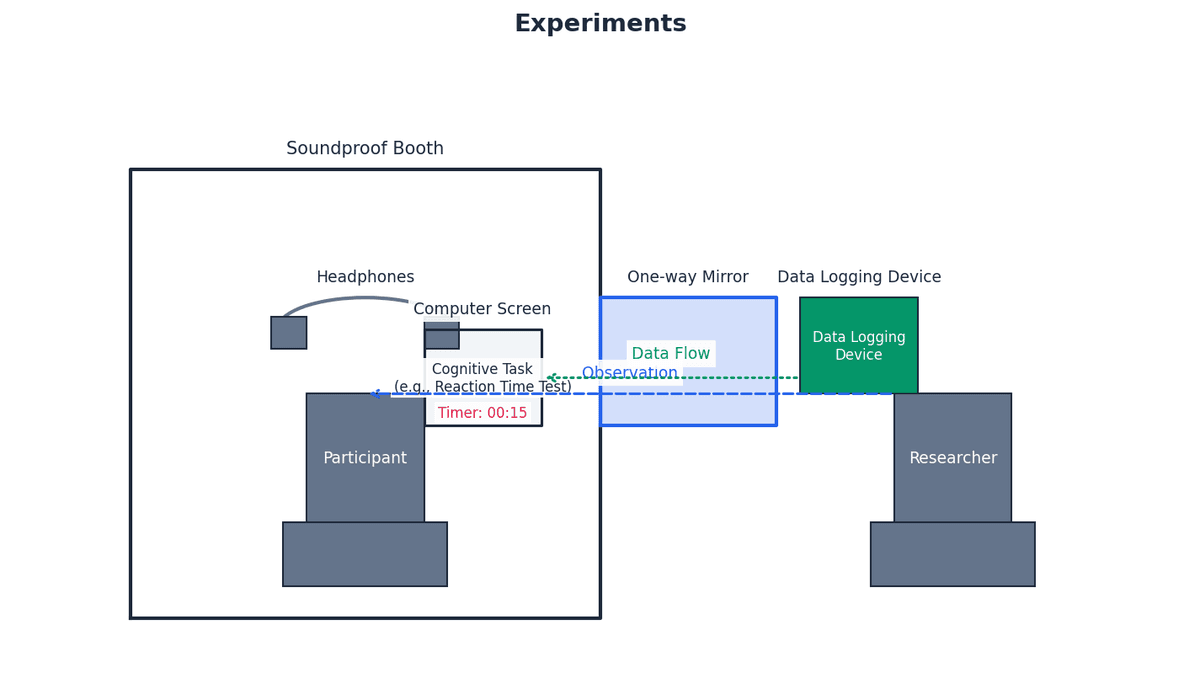
A research team is conducting a study on the effect of background noise on concentration using a laboratory experiment. Participants complete a memory task while exposed to different levels of noise within a controlled environment. (a) Analyse the key features of a laboratory experiment, using Fig 1.1 to illustrate your points. [6] (b) Evaluate the strengths and weaknesses of using laboratory experiments to study human behaviour. [6]
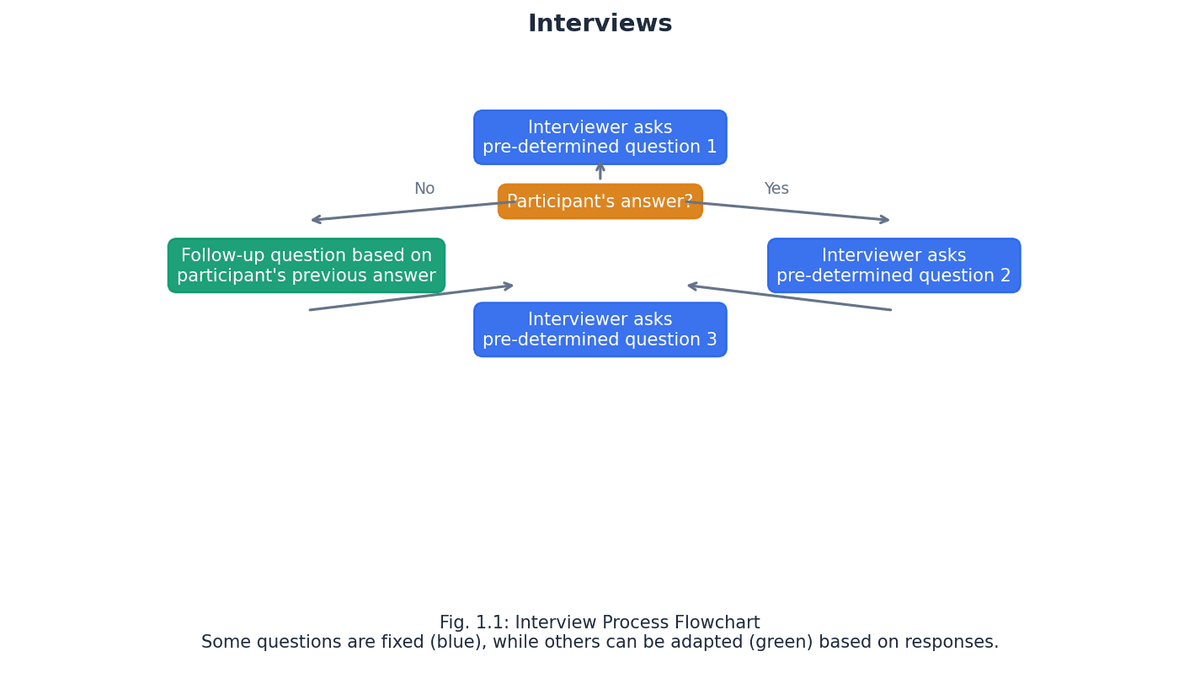
A psychologist is conducting an interview to understand individuals' experiences with a new educational programme. The interview process is outlined in Fig. 1.1. (a) Identify the type of interview shown in Fig. 1.1. [2] (b) Explain two strengths of using the interview type identified in (a) for psychological research. [6]
Ethical guidelines are crucial in psychological research to protect participants and maintain the integrity of the scientific process. (a) Explain the ethical guideline of informed consent in psychological research. [4] (b) Suggest two ways a researcher could ensure confidentiality in a study involving sensitive personal data. [4]
A researcher conducted an experiment to investigate the effect of caffeine on reaction time. Participants were randomly allocated to one of two groups: a 'Caffeine Group' (consumed a caffeinated drink) or a 'No Caffeine Group' (consumed a decaffeinated drink). Their reaction times were then measured. Fig. 1.1 shows the mean reaction times for both groups. (a) State the purpose of a null hypothesis in psychological research. [2] (b) Explain how a null hypothesis would be applied to the results shown in Fig. 1.1. [4] (c) Using the data in Fig. 1.1, interpret what a researcher would conclude if the p-value for the difference between the two groups was found to be p = 0.08 (assuming a significance level of p < 0.05). [4]
A cognitive psychologist is designing a study to investigate the effectiveness of different memory techniques. (a) Describe quantitative data in psychological research. [3] (b) Explain one advantage and one disadvantage of using quantitative data in a study investigating memory recall. [5]
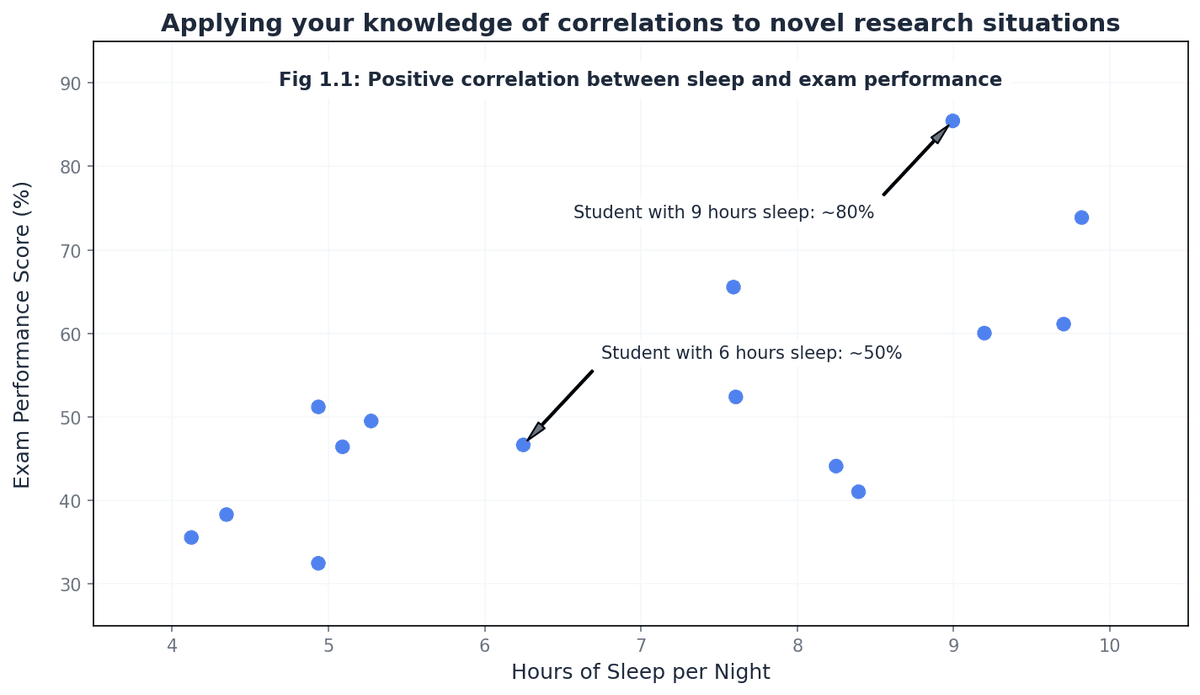
A group of students conducted a correlational study to investigate the relationship between the number of hours of sleep students get per night and their exam performance scores. The results are shown in Fig. 1.1. (a) Describe the relationship between hours of sleep and exam performance shown in Fig. 1.1. [3] (b) Suggest one possible extraneous variable that could influence the relationship shown in Fig. 1.1. [3] (c) Explain why a correlational study, like the one presented, cannot establish a cause-and-effect relationship between hours of sleep and exam performance. [4]
A psychology student needs to recruit participants for a quick study on memory. They decide to use students from their college as participants. (a) Describe what is meant by opportunity sampling. [3] (b) Explain one strength and one weakness of using opportunity sampling in psychological research. [5]
Fig 1.3 shows a graphic representing the balance between 'Science' and 'Ethics' in psychological research. (a) Describe two ethical considerations that a researcher must balance against the scientific value of a study, as represented by the balance scale. [4] (b) Suggest a scenario where the 'Ethics' side of the scale might outweigh the 'Science' side, providing a specific example of research that would be deemed unethical despite potential scientific gain, and explaining why. [4]
Fig 1.1 shows a group of people interacting in a park setting, with one individual, participant D, subtly highlighted. Participant D is asking 'which one is the observer?'. (a) Identify the type of observation being conducted by participant D, based on their subtle highlighting and integration within the group. (b) Explain two advantages of using a covert participant observation, as exemplified by participant D, for collecting data on natural behaviour. (c) Compare the potential for demand characteristics in a covert observation versus an overt observation.
A researcher conducted a study to investigate the relationship between the number of hours of sleep a student gets and their memory recall ability. They asked 15 participants to record their average hours of sleep per night for a week and then complete a memory test where they recalled a list of 20 words. The results are shown in the scatter graph in Fig 1.1. **Fig 1.1: Scatter graph showing the relationship between hours of sleep and memory recall scores** (a) Identify the independent variable (IV) and dependent variable (DV) in this study. [2] (b) Explain what the graph suggests about the relationship between hours of sleep and memory scores. [3] (c) Write a one-tailed (directional) alternative hypothesis for this study based on the observed trend. [3]
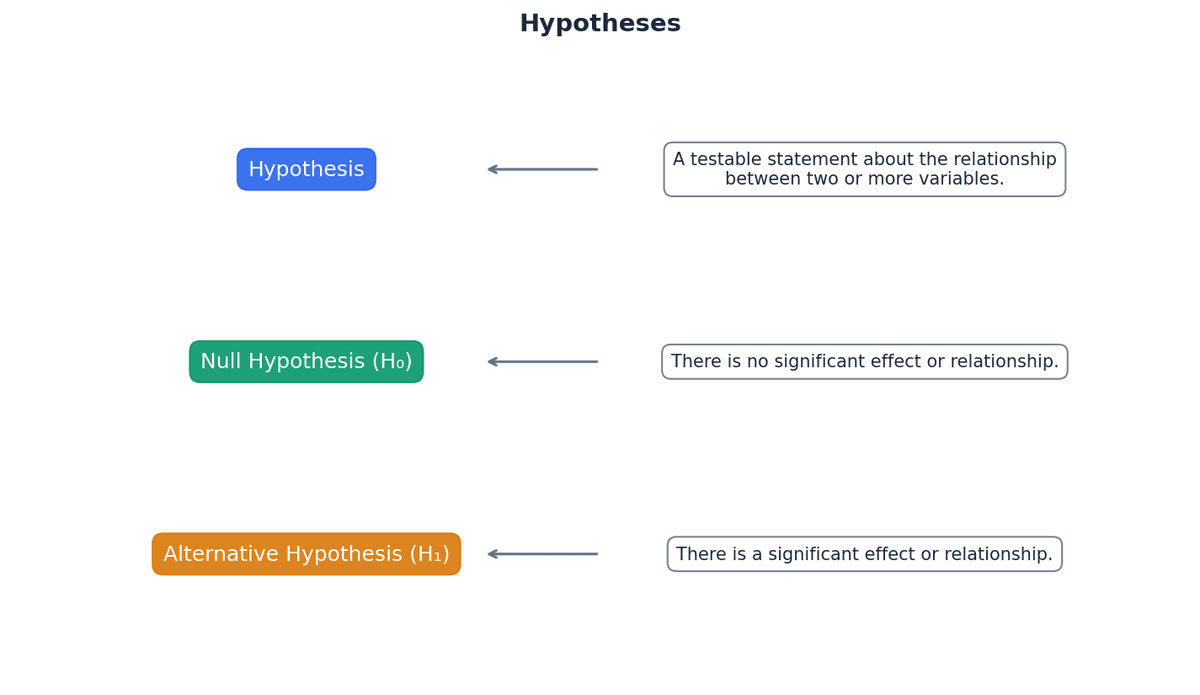
A study found that students who attended revision workshops scored higher on their final exams than those who did not. A new researcher wants to investigate if attending weekly tutoring sessions will lead to higher test scores in mathematics compared to not attending. (a) Explain when it is appropriate for a researcher to use a directional (one-tailed) hypothesis. [3] (b) Write a directional hypothesis for this new study. [5]
A psychologist is planning an experiment to investigate the effect of different types of music on memory recall. They are considering using an independent measures design. (a) Describe what is meant by an independent measures design. [3] (b) Explain two advantages of using an independent measures design in an experiment. [6]
A psychologist conducts a laboratory experiment to investigate the effect of a new memory training technique on recall performance. Participants are brought into a controlled lab environment and asked to learn a list of words, then recall them. (a) Explain what is meant by ecological validity in the context of laboratory experiments. [4] (b) Suggest two ways a researcher could try to improve the ecological validity of a laboratory experiment, even if it might compromise control. [6]
A psychologist wants to investigate how the tempo of background music affects people's walking speed in a public shopping mall. (a) Evaluate the use of a field experiment compared to a laboratory experiment for investigating the effect of music tempo on walking speed in a shopping mall. [6] (b) Outline how the independent variable (music tempo) could be operationalised in the field experiment described in part (a). [4]
A researcher is designing a questionnaire to investigate people's attitudes towards a sensitive social issue. (a) Discuss what is meant by social desirability bias in the context of questionnaires. [4] (b) Evaluate the use of questionnaires as a research method in psychology, referring to issues of reliability and validity. [6]
Psychologists collect various types of data depending on their research aims. (a) Distinguish between quantitative and qualitative data in psychological research. [3] (b) Give one advantage of collecting qualitative data in a study investigating people's experiences of stress. [3]
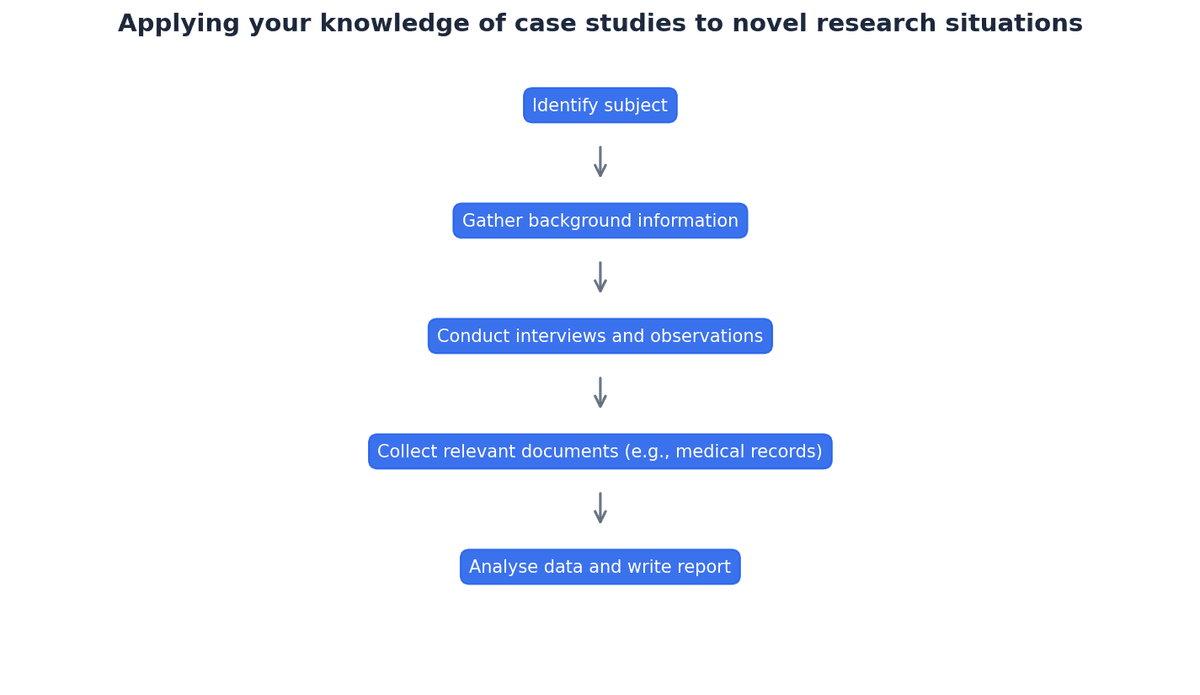
A psychologist wants to investigate the long-term effects of childhood trauma on adult relationships. They decide to use a case study approach. Fig. 1.1 shows a flow chart illustrating the stages of conducting a case study. (a) Outline what is meant by a case study. [3] (b) Explain how a researcher could use a case study to investigate the long-term effects of childhood trauma on adult relationships, referring to Fig. 1.1. Suggest one ethical consideration for this study. [8]
A researcher is planning an observation study to investigate how often children share toys in a nursery setting. (a) Outline one way a researcher could ensure inter-observer reliability when conducting an observation study of children's play behaviour. [3] (b) A researcher wants to observe customer behaviour in a supermarket. Suggest two practical issues they might face and explain how they could be addressed. [4]
A psychology lecturer wants to select 10 students from their cohort of 50 for a small research study. Fig. 1.1 shows a numbered list of all 50 students. (a) Describe the process of random sampling using the numbered list of students shown in Fig. 1.1. [3] (b) Explain one strength of using random sampling in psychological research. [4] (c) Outline one potential practical difficulty a researcher might face when attempting to use random sampling. [3]
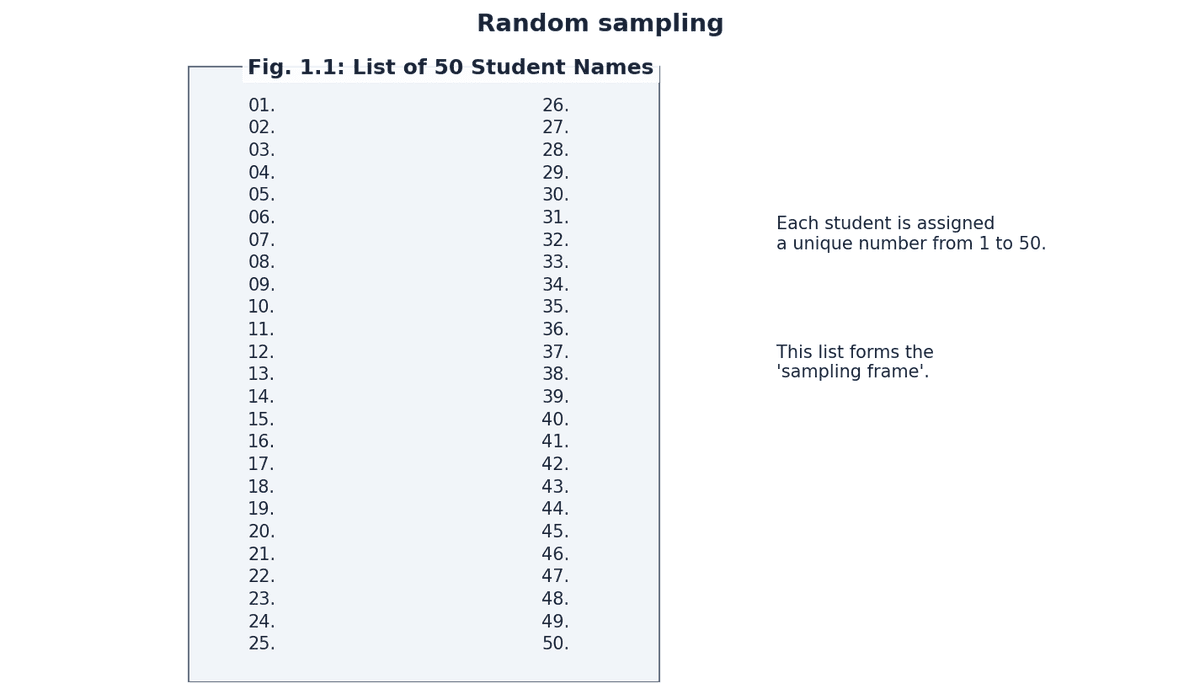
Fig 1.3 shows a group of people interacting in a park, with one participant (D) subtly highlighted, asking a question. (a) Distinguish between an overt and a covert observer, using the subtly highlighted participant (D) as an example of one type. [3] (b) Analyse one strength and one weakness of using a covert participant observation, as exemplified by participant D, in terms of its impact on the validity of the data collected. [4] (c) Evaluate whether the ethical concerns of covert observation (e.g., lack of informed consent) are always outweighed by the potential for increased ecological validity, referring to the scenario depicted. [3]
Fig 1.2 shows a group of identical twins. (a) If a researcher wants to form 15 pairs from the group of identical twins shown, calculate the minimum number of individual twins they would need to recruit. [3] (b) Justify why using identical twins, as depicted, is particularly beneficial for a matched pairs design, referring to participant variables. [3]
Fig 1.3 shows a cartoon image of a 'two-tailed hypothofish', used to represent a non-directional hypothesis. (a) Explain why the 'two-tailed hypothofish' is an appropriate visual representation for a non-directional hypothesis. [2] (b) Formulate a non-directional (two-tailed) hypothesis for a study investigating the effect of music tempo (fast vs. slow) on reaction time, clearly stating the independent and dependent variables. [4]
Fig 1.1 shows a cartoon image of a 'two-tailed hypothofish', used to visually represent a non-directional hypothesis. (a) Identify the key characteristic of a non-directional hypothesis that is visually represented by the two tails of the 'hypothofish'. [2] (b) Formulate a non-directional hypothesis for a study investigating the relationship between hours of sleep and exam performance. [3] (c) Justify when a researcher would choose to use a non-directional hypothesis over a directional hypothesis in a study. [3]
Fig 1.1 shows an advertisement for a psychology study. (a) Identify two pieces of information about the study provided in the advertisement that would influence a potential participant's decision to respond. [2] (b) Discuss two potential limitations of using volunteer (self-selected) sampling for a study, based on the nature of the participants who might respond to such an advertisement, and explain how these limitations could affect the generalisability of the findings. [6]
A psychologist is conducting a field experiment to investigate whether people are more likely to offer help to someone who drops an item in a busy shopping centre compared to a quiet park. The researchers will observe reactions in both settings. (a) Explain two ethical considerations that are particularly challenging to manage in a field experiment. [4] (b) Outline one strength and one weakness of a field experiment in terms of ecological validity. [4]
A team of researchers wants to investigate the effect of a new teaching method on student engagement. They decide to implement the new method in one classroom (Group A) and continue with the traditional method in another classroom (Group B) within the same school. The students are not aware that they are part of an experiment, and the teachers are instructed to conduct their lessons as naturally as possible. Student engagement is measured by observing their participation in class discussions. (a) Identify the type of experiment being conducted in this scenario. [2] (b) Describe two characteristics of this type of experiment. [4] (c) Discuss one strength and one weakness of this type of experiment in the context of the scenario. [4]
Self-report methods like questionnaires are commonly used in psychological research to gather data directly from participants. (a) Compare open and closed questions as used in questionnaires, including a strength and a weakness of each. [6] (b) Sketch a bar chart to represent the following hypothetical data from a closed question asking participants to rate their agreement with the statement 'I enjoy psychological research methods' on a scale of 1 (strongly disagree) to 5 (strongly agree): Strongly Disagree (2), Disagree (5), Neutral (10), Agree (8), Strongly Agree (3). [4]
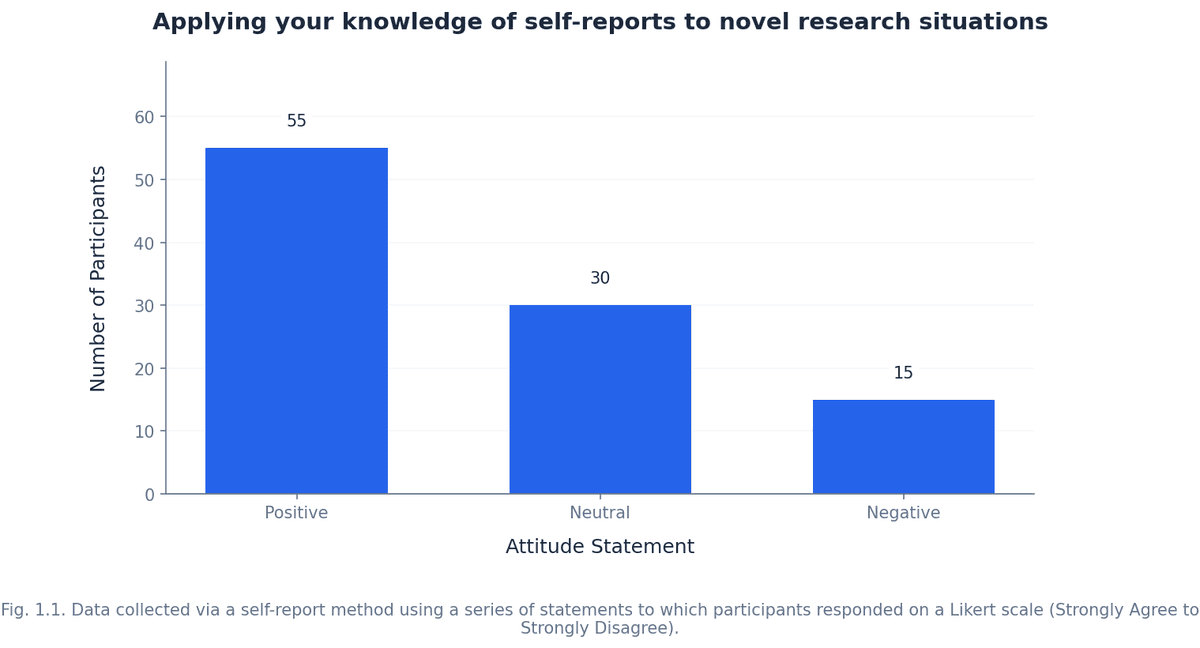
Researchers conducted a study to investigate attitudes towards social media use among adolescents. The results are shown in Fig. 1.1. Fig. 1.1 shows a bar chart displaying the results of a study investigating attitudes towards social media use among adolescents. (a) Identify which type of self-report method was used in this study. [2] (b) Explain one advantage of using this self-report method for investigating attitudes towards social media. [4] (c) Suggest one way the researchers could have improved the validity of the data collected in this study. [4]
A researcher plans to investigate whether children who play violent video games exhibit more aggressive behaviour in a playground setting. (a) Outline the purpose of an aim in psychological research. [3] (b) Explain why it is important for a researcher to formulate a clear hypothesis before conducting a study. [5]
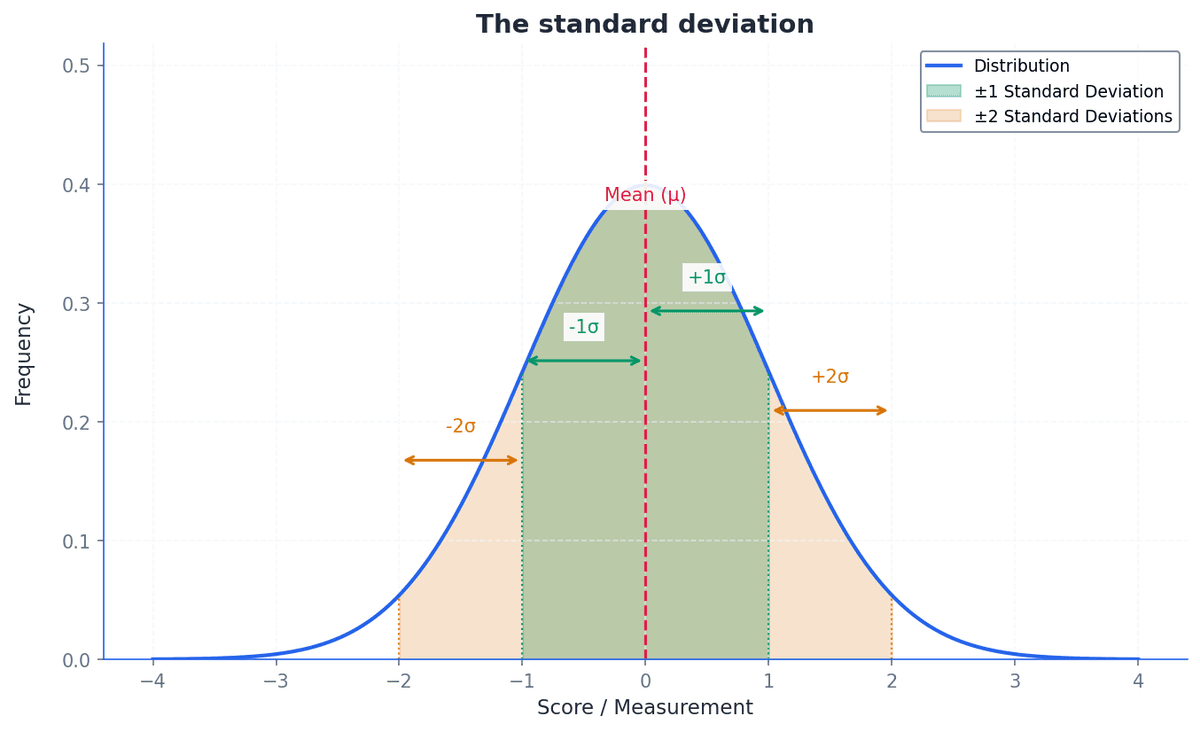
In psychological research, once data has been collected, it needs to be analysed to draw conclusions. This often involves calculating descriptive statistics. (a) Discuss the importance of using appropriate measures of central tendency and spread when analysing data from an experiment. [6] (b) Evaluate the strengths and weaknesses of using the standard deviation as a measure of spread compared to the range, in the context of psychological research. [6]